The Central Question: How Does the U.S. Tax System Shape Economic Lives?
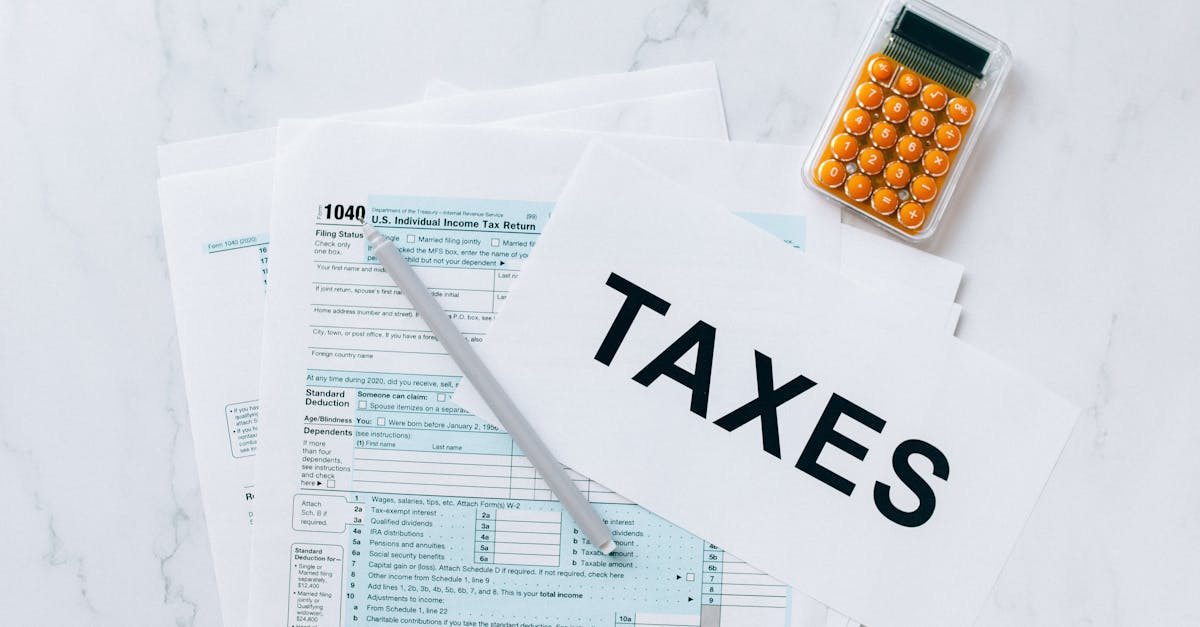
The U.S. tax system often feels like a labyrinth to the average citizen. Understanding it is crucial, as it directly affects disposable income and spending power. At its core, the purpose of this complex system is to fund government services while hoping to achieve equitable distribution of wealth. However, how does this structure influence individual economic experiences?
The Layers of Taxation: Understanding the Mechanism
The federal tax structure comprises progressive income taxes, payroll taxes, and various other levies. The federal government primarily collects income tax, which means that individuals with higher earnings pay a greater percentage. This progressive approach aims to balance out income disparities, but how effective is it in practice?
- Cause: Higher earners contribute a larger percentage of their income in taxes.
- Mechanism: These funds are allocated to social services, infrastructure, education, and national defense. Special tax credits and deductions exist to spur investment and support lower-income households.
- Effect: For the average American, income taxes can significantly impact month-to-month budgeting. The Tax Policy Center estimates that in 2026, about 61% of households will owe federal income tax, with an average rate of 13.6%. This means many households are directly affected by marginal tax rates and deductions.
Adding layers of complexity are state and local taxes, which can vary drastically. For example, some states impose flat income taxes, while others have no state income tax at all, relying more heavily on sales and property taxes. This inconsistency can lead to substantial differences in the tax burden across states, complicating national economic comparisons.
The Unseen Consequences of Tax Policies
Beyond the cold figures, tax policies influence more than just government budgets. They affect daily life by shaping labor market dynamics and consumer behavior.
- Unemployment Rate: As of February 2026, the unemployment rate stands at 4.4%. This rate can be influenced by tax policies that either incentivize job creation or suppress business investments.
- Inflation: Currently sitting at 2.4%, inflation tends to erode purchasing power. When taxes remain stable while inflation rises, individuals find their real income diminished, meaning they cannot buy as much with their earnings.
- Interest Rates: With interest rates set at 3.64% as of February 2026, borrowing costs can have significant ramifications on spending and investment, ultimately tying back to tax situations. For instance, improvements in tax policy could encourage business expansions, thereby reducing unemployment and subsequently affecting inflation rates.
The Personal Toll: Real Impact on Lives
For many Americans, stagnating wages juxtaposed with increasing costs can lead to financial strain. Even with a robust economy, the complexity of the tax code often leaves individuals bewildered and stressed. Lower-income families may feel the pinch more acutely, as they bear the burden of regressive taxes such as sales taxes and property taxes.
Higher taxes for upper-income brackets don’t always translate to proportional benefits for lower-income areas due to inefficiencies and misallocations in government spending. As a result, while one group pays, another may not see significant improvement, leading to disillusionment with the economic system as a whole.
Key Figures to Ponder
- Federal income tax burden: 13.6% average rate for 61% of households
- Current inflation rate: 2.4%
- Current unemployment rate: 4.4%
- Current interest rate: 3.64%
What to Watch
Looking ahead, the ongoing debates over tax reform will likely dominate the political landscape. Watch for potential changes aimed at reducing complexity or increasing equity, particularly as policymakers grapple with inflation and its effect on household budgets. Proposed tax reforms may tilt the scales towards lower taxes for middle and lower-income households while adjusting levies on higher earners to ensure that government services remain funded, a balancing act that could reshape economic relations at all levels.