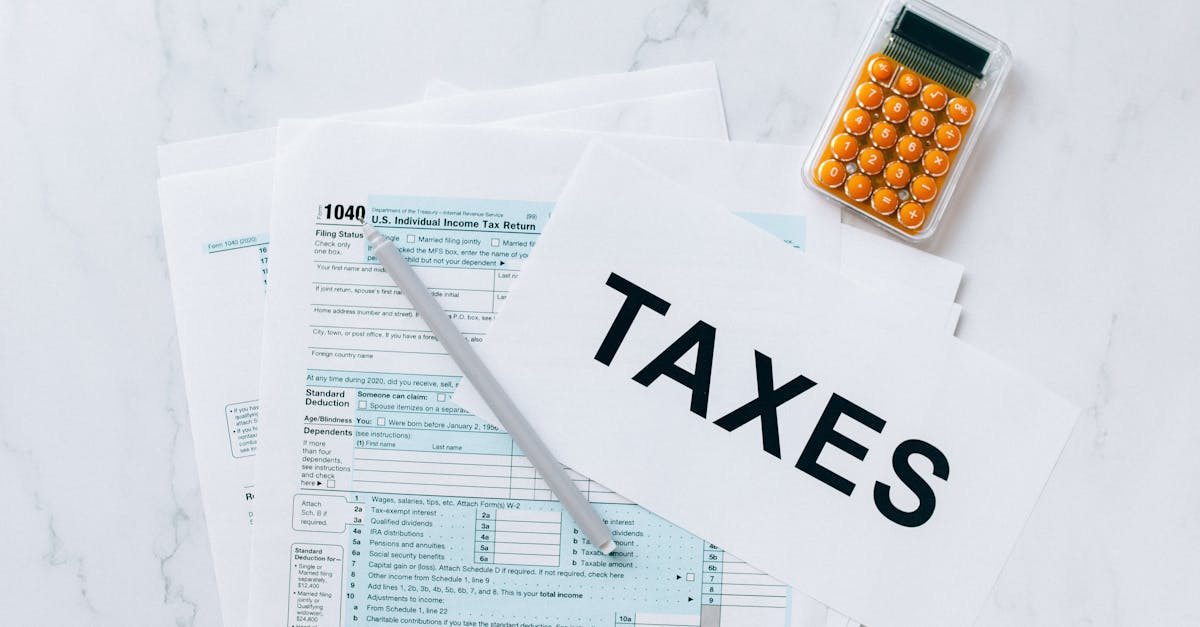
How Does the U.S. Tax System Shape Economic Life?
Why do taxes often feel like a complex puzzle to many Americans? Understanding how the tax system operates is crucial to grasping its implications on personal finances and economic behavior.
The Anatomy of Taxation
The U.S. tax system is built on a progressive model, meaning that those with higher incomes pay a larger percentage in taxes. Here’s the cause-and-effect breakdown:
- Cause: Higher income brackets are taxed at increased rates.
- Mechanism: Federal tax rates range from 10% to 37%, designed to redistribute wealth and finance public goods.
- Effect on Real People: A family earning $100,000 annually may pay around 22% in federal income taxes, allowing the government to fund initiatives that ultimately benefit society, such as education and healthcare.
Interestingly, state and local taxes can compound the burden. These taxes often rely on sales taxes, property taxes, and varying income tax rates that further affect the local economies where individuals reside.
Beyond Federal Taxes: The Impact of Other Levies
Another layer of complexity comes from the additional taxes that individuals face:
- Payroll Taxes: These fund Social Security and Medicare, each accounting for 7.65% deductions from wages. For every dollar earned, workers contribute significantly to their future benefits — a point of contention for many considering retirement planning.
- Capital Gains Taxes: Investments are taxed differently than regular income, leading to more favorable treatment for wealthier individuals. As of now, long-term capital gains face a 15% to 20% tax rate, whereas ordinary income can be taxed at higher rates.
This disparity encourages investment over spending, which can stimulate economic growth but simultaneously widens income inequality.
Key Figures in Focus
- Inflation Rate: 3.8%
- Unemployment Rate: 4.3%
- Federal Interest Rate: 3.63%
These figures cast a shadow on disposable income and overall economic conditions, reminding us that tax policies must be viewed in the context of the prevailing economic climate.
Local Impact: The State Tax Variability
States play a substantial role in the taxation landscape. For instance, California has a top income tax rate of 13.3%. In contrast, Florida imposes no state income tax at all. This difference can dramatically reshuffle population demographics as people migrate to states with lower tax burdens seeking better financial opportunities.
- Business Decisions: Companies also weigh state tax implications when making relocation or expansion decisions. Lower taxes can be a powerful attractor for businesses, providing jobs and economic stability in those areas.
Hidden Costs: Compliance and Influence
One of the less visible effects of the tax system is the cost of compliance. Businesses and individuals invest substantial time and resources to ensure they adhere to tax laws, leading to inefficiencies and sometimes prompting the need for legal counsel for tax planning.
Tax lobbying intensifies this dynamic, as wealthy corporations often have the means to shape tax policy in their favor, which can lead to a perception of unfairness and diminished public trust in government.
What to Watch
The current discourse surrounding tax legislation reflects broader conversations about wealth inequality and public funding. As inflation hovers at 3.8% and interest rates rise to 3.63%, the interplay between tax policy and economic condition will be crucial to monitor. Will lawmakers pursue reforms to address disparities? How these forthcoming decisions unfold could significantly reshape economic life for countless Americans and influence the nation’s fiscal trajectory for years to come.