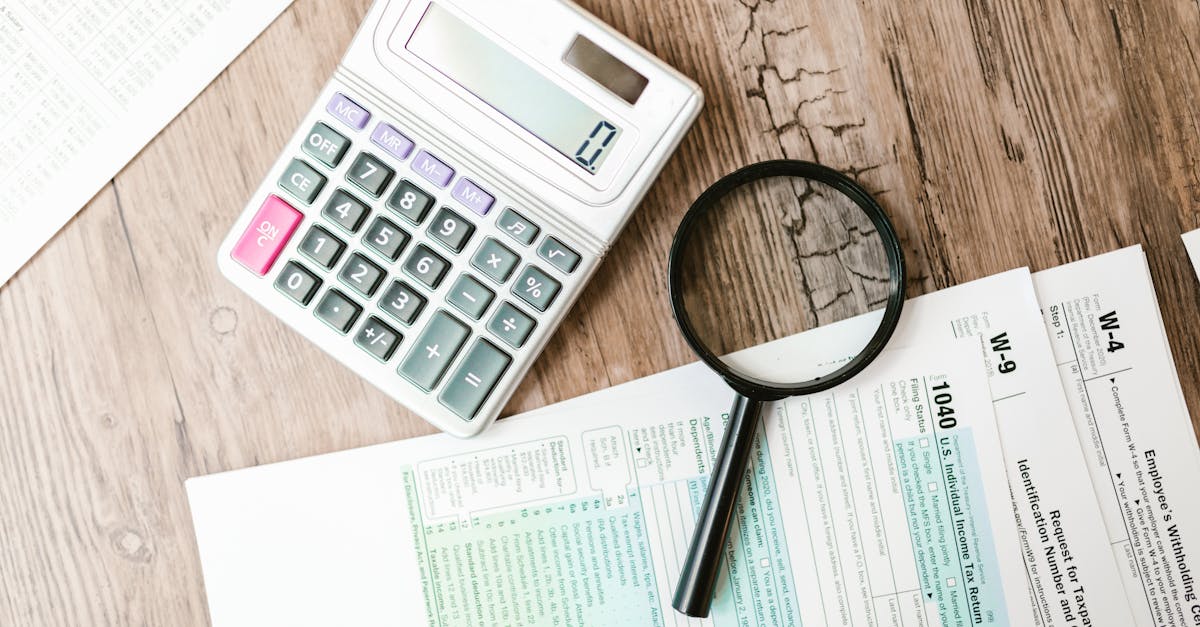
How Does the U.S. Tax System Affect Everyday Lives?
Understanding the U.S. tax system prompts the question: how does it influence individual financial circumstances and the broader economy? The complex web of taxation—comprising federal, state, and local layers—acts like a fiscal navigator steering the country through economic waters.
The Roots of Taxation: Cause and Effect
Taxes are collected predominantly to fund government services, infrastructure, and social safety nets. When federal income tax rates are increased, for instance, the mechanism is straightforward: individuals and corporations pay a larger share of their earnings.
This leads to several effects:
- Reduced disposable income: For the average American, higher taxes mean less money to spend or save. This shift directly impacts consumer behavior, affecting demand for goods and services.
- Impact on investment: Higher corporate taxes can discourage business investments, sometimes leading to slower economic growth and job creation.
As of now, the federal income tax has progressive tiers, with rates ranging from 10% to 37%. A larger share of income taxes comes from high-income earners, reinforcing the principle of ability to pay. The resulting revenue feeds into essential services, helping mitigate poverty through programs such as Social Security and Medicare.
The State and Local Dynamics
State and local taxes complement federal policies, creating a multi-tiered approach to revenue collection. States often employ income, sales, and property taxes, with vast variability across the nation. For instance, in California, top earners face income tax rates as high as 13.3%, while Texas, which lacks a state income tax, relies heavily on sales tax.
The influence of these regional tax structures is profound:
- Economic migration: High taxes in certain states may prompt individuals and businesses to relocate to states with lower burdens, affecting local economies.
- Social disparities: States with fewer social safety nets due to lower tax revenues may struggle with higher poverty rates, exacerbating inequalities.
Inflation: A Tax on Your Wallet
Inflation continues to bear down on American households. As of April 2026, inflation stands at 3.8%. With rising prices, households find that their tax payments, coupled with the diminishing purchasing power, create a more cumbersome financial environment. The effective tax burden feels heavier when salaries fail to keep pace with the cost of living increases.
Higher interest rates, currently at 3.64%, add another layer of complexity. Rising borrowing costs impact consumer spending and business financing, altering the economic landscape further. Lenders may tighten credit, and potential homebuyers might delay purchases, both of which could stifle growth in the housing sector.
Key Figures
- Federal income tax rates: 10% – 37%
- Inflation rate: 3.8%
- Unemployment rate: 4.3%
- Interest rate: 3.64%
What to Watch
The upcoming debates around tax reform could reshape the landscape further. With rising inflation and interest rates, policymakers may look to adjust tax brackets or explore new taxes to spur spending or investment. Observers should pay close attention to congressional discussions regarding adjustments to the tax code—decisions made will have profound implications for American taxpayers and the economy as a whole.