Why Are Economic Experiences So Different Across Regions?
Why do some regions in the United States thrive economically while others struggle? The answer lies in an intricate web of factors that interplay to create distinctive economic landscapes across the nation.
Historical Foundations and Industrial Evolution
Cause: Historical decisions regarding industry have far-reaching effects. Manufacturing jobs concentrated in the Midwest and the South shaped economies that were once robust but are now facing decline due to globalization.
Mechanism: As factories closed or relocated, workers found themselves without jobs. This led to population declines in these regions, exacerbating economic challenges. The demand for newer skills in technology and services only added pressure on communities still anchoring to old industrial roots.
Effect on Real People: A case in point is Youngstown, Ohio. Once a steel powerhouse, it experienced a population drop of over 60% since its peak in the 1970s due to job losses. The rebuilding process has proven slow, straining community services and driving local poverty rates higher.
Education and Workforce Development
Cause: The quality of education greatly influences regional economic performance. Different states allocate varying amounts to educational institutions, affecting workforce readiness.
Mechanism: Regions with better education systems can attract industries that require skilled labor, while those with poorer educational outcomes struggle to retain businesses and workers. States like Massachusetts, for example, invest significantly in education, creating a highly trained workforce that’s appealing to high-tech industries.
Effect on Real People: In contrast, the lack of educational resources in areas such as rural Mississippi hinders economic mobility. Workers are often caught in low-wage jobs with limited advancement opportunities, leading to stagnation in household income.
Infrastructure and Connectivity
Cause: Infrastructure development varies significantly by region. Major urban areas have more robust transportation and digital networks compared to rural locales.
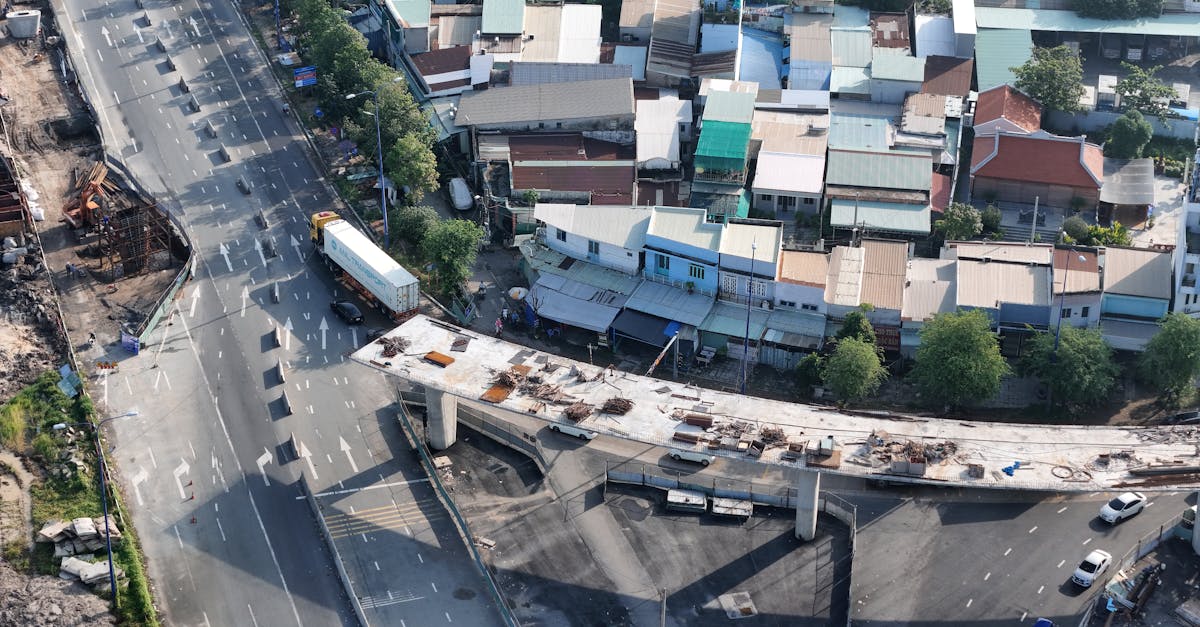
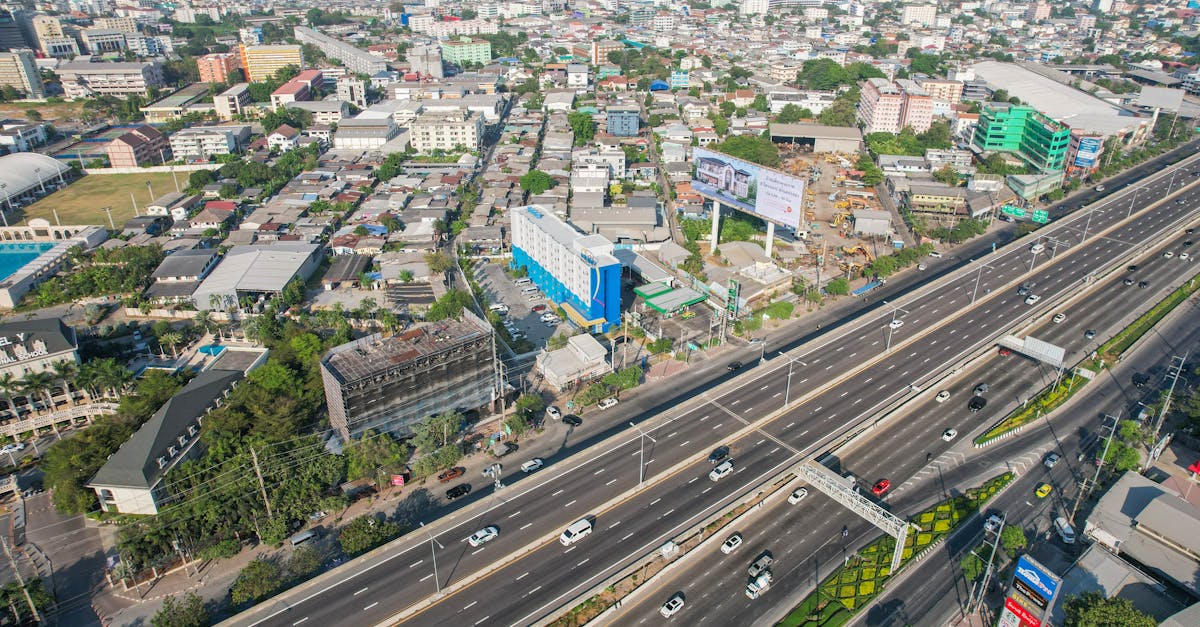
Mechanism: Accessibility can dictate economic growth. Regions with well-developed transport infrastructure attract businesses and foster job creation, while areas without such facilities risk being left behind in the economic race.
Effect on Real People: In Central Appalachia, inadequate infrastructure hampers businesses that could otherwise exploit local resources like timber or natural gas. As a result, residents face limited job prospects and economic opportunities.
Key Figures Behind Regional Dynamics
- Inflation rate: 3.3%
- Unemployment rate: 4.3%
- Interest rate: 3.64%
The Role of Local Governments and Policies
Cause: State and local policies significantly influence economic vitality, from tax regulations to business incentives.
Mechanism: Regions with favorable tax structures can lure businesses away from higher-tax states. Incentives for startups can drive innovation and job creation, while higher taxes can discourage investment.
Effect on Real People: Texas’s lack of state income tax has attracted numerous businesses and subsequently led to job creation, lifting many families out of poverty. In contrast, high tax burdens in states like New Jersey may inhibit growth and encourage migration to more business-friendly climates.
What to Watch
The interplay of innovation, labor needs, and educational opportunities presents potential for these gaps to widen or narrow over time. As the economy shifts—especially in the wake of recent inflationary pressures and changes in interest rates—regions that adapt quickly will likely emerge stronger, while those that cannot pivot may face prolonged economic hardship. Keeping an eye on emerging tech hubs and educational reforms could provide insight into which areas will lead the national recovery.