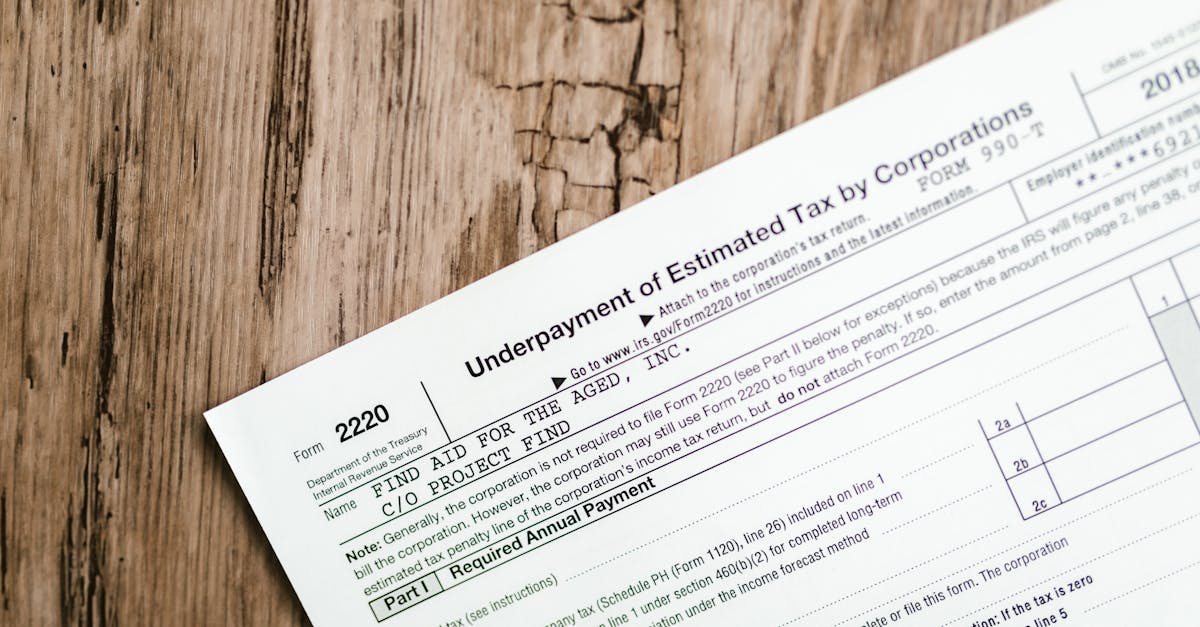
Why Does Public Debt Matter?
How does public debt affect the lives of everyday Americans? The relationship between government borrowing and citizens’ well-being is intricate, yet vital for understanding economic health.
Public debt arises primarily from budget deficits, which occur when government expenditures exceed revenues. In America, this imbalance has been persistent, driven predominantly by factors such as rising healthcare costs, social security liabilities, and military expenses. For instance, the Congressional Budget Office projected in 2023 that the federal deficit would reach $1.4 trillion, a significant increase from the previous year, primarily due to expansive economic policies and stimulus measures aimed at recovery from the pandemic.
The Mechanics of Debt Accumulation
When a government borrows, it issues bonds to investors. These bonds can be purchased by both institutions and individuals, providing immediate funding for public services or projects. However, this reliance on debt creates a cyclical effect:
- Higher Debt Levels: As the government borrows more, it incurs interest payments that become part of future budgets.
- Crowded-Out Spending: Higher interest payments may lead to less available funding for critical areas like education and infrastructure, as more revenue is funneled into servicing the debt.
- Risk of Inflation: Increased borrowing can lead to economic overheating, as more dollars circulate without a corresponding rise in goods and services, leading to inflationary pressures.
The Ripple Effects on Citizens
The burdens created by growing public debt have tangible implications for the average American. With more tax dollars allocated to service the debt, fewer funds are available for essential programs. For example:
- Reduced Public Services: Schools may see budget cuts that impact teacher hiring, classroom resources, and extracurricular activities.
- Increased Taxation: Future generations may face higher taxes as the government seeks to manage the debt, impacting disposable incomes and economic mobility.
- Interest Rates on Loans: Citizens often feel the pinch when government borrowing raises overall interest rates, making personal loans and mortgages more expensive.
Numbers to Note
- Federal Debt: Approximately $33.7 trillion as of the latest data from the Bureau of the Public Debt.
- Annual Deficit: Estimated at $1.4 trillion, which represents about 5.4% of the GDP according to the Bureau of Economic Analysis.
- Interest Payment Projection: Expected to rise to $1 trillion annually by 2025, as reported by the Congressional Budget Office.
Looking Forward: What to Watch
As public debt continues to swell, it’s crucial to monitor how policymakers address this growing concern. Key areas to observe include:
- Debt Ceiling Negotiations: Upcoming discussions about increasing the debt ceiling will be pivotal, influencing government spending and economic health.
- Inflation Trends: Watching how inflation affects interest rates can provide insight into how debt servicing becomes more burdensome for the government and for citizens.
- Policy Reforms: Legislative efforts aimed at budgetary reform, including potential tax increases or spending cuts, will dictate the future landscape of public finance.
The interplay between public debt and personal prosperity serves as a reminder of the complexities of economic management, where the effects are felt by citizens in their daily lives. Understanding the underlying mechanics and future developments surrounding this topic is essential for navigating the evolving economic terrain.