A Bakery’s Journey in a Global Marketplace
On a sun-kissed morning in a quaint town in Ohio, Sarah opens the doors of her family-owned bakery, Sweet Crumbs. The aroma of fresh bread wafts through the air as she prepares to serve her loyal customers. Over the years, Sweet Crumbs has not only cultivated local flavors but has also ventured into supplying gluten-free loaves to nearby states. But recently, Sarah has been grappling with unforeseen challenges stemming from international trade dynamics, particularly the fluctuating trade balance.
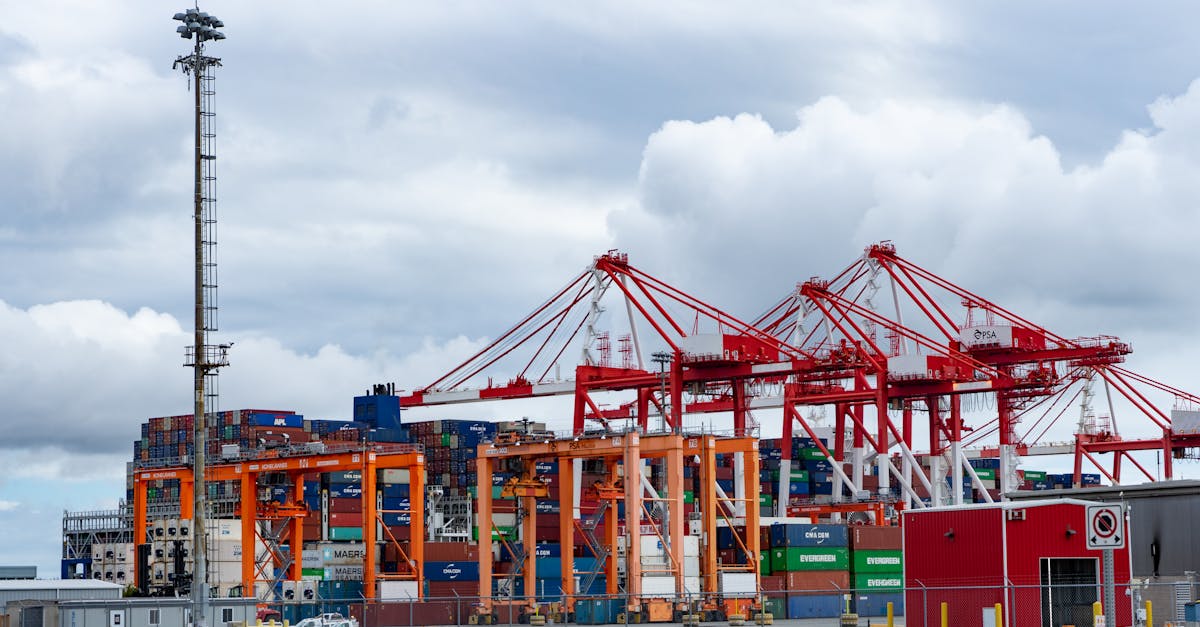
Every loaf Sarah sells helps paint a larger picture of the United States’ economy. This year, the U.S. trade deficit—the difference between what the country imports and what it exports—stood at an astounding $91.4 billion in August alone. That number is roughly equivalent to the annual salary of 1.5 million teachers, indicating a significant gap between U.S. imports and exports. Sarah’s concerns are not merely anecdotal; they reflect real disruptions in supply chains and consumer behavior influenced by this balance.
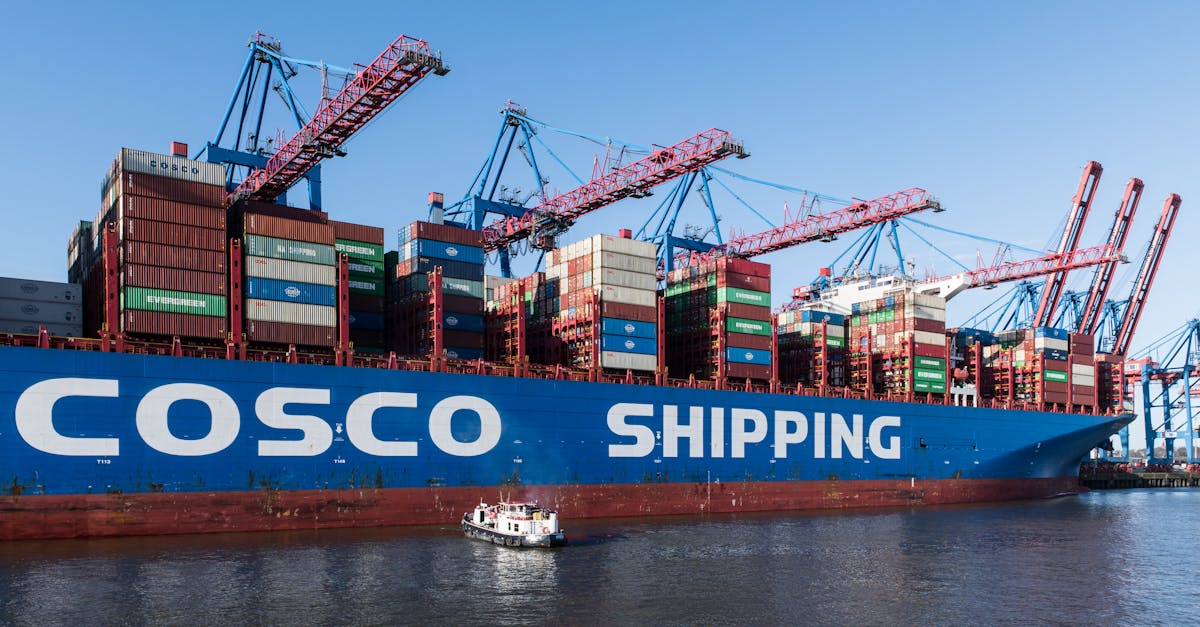
As Sweet Crumbs sources its gluten-free flour from an importer specializing in Italian grains, Sarah has had to navigate higher prices due to increased import tariffs and shipping delays, both of which are intrinsically linked to shifts in trade policy and balances. In August, the U.S. imported $275.7 billion in goods while exporting only $184.3 billion. For every dollar that Sweet Crumbs earns from selling delicious pastries, a staggering amount goes to products coming from overseas.
To put this in perspective, consider that the bakery’s flour supplier, which relies on international shipping, is facing escalating costs. These challenges force Sarah to reconsider her pricing strategy. If she raises her prices significantly, loyal customers may look elsewhere, but if she keeps prices the same, her margins could thin dangerously. The trade balance affects not just large corporations, but small businesses like hers, which must adapt quickly to the realities of the marketplace.
A Community Recalibrates
While Sarah navigates these challenges, her story intertwines with broader economic trends. The U.S. export markets have been showing signs of resilience. According to the Bureau of Economic Analysis, exports of goods and services increased by about 0.7% in July, driven by higher demand for American-made machinery and aircraft. This growth in exports is encouraging, yet it doesn’t completely offset the swollen trade deficit.
The numbers can be daunting, but let’s make sense of them using something Sarah understands well: baking bread. Imagine mixing different ingredients to create a delectable loaf. Just as the perfect recipe relies on the right balance of flour, water, and yeast, the U.S. economy needs a delicate equilibrium between exports and imports to remain stable. The ongoing challenges hint that too much reliance on foreign suppliers could sour the blend.
As she meticulously measures out flour for her next batch, Sarah reflects on the idea of sourcing locally more often—both as a way to control costs and support neighboring farmers. In fact, the BLS recently reported that local food production can significantly influence economic activity in a region, providing a more sustainable approach amid these trade fluctuations. By pivoting her bakery’s supply chain, she adds to the growing movement of local sourcing that is both environmentally friendly and economically sound.
The Sweet Smell of Adaptation
For Sarah and Sweet Crumbs, adaptation is key. As the trade balance continues to evolve, she feels a sense of responsibility not only to her bakery but also to her community. By expanding her local partnerships, she’s fostering a stronger economic web right at home. This journey reflects the broader narrative of U.S. businesses striving for resilience in a challenging international environment.
As she serves her first customers of the day, the rich flavors of her creations remind Sarah of the intricate ties between her small bakery and the global marketplace. Every sale is a contribution to a larger economic fabric, reminding her that even amidst challenges, there exists an opportunity for growth and community connection. Just as the aroma of her fresh loaves lingers, so too does the potential for businesses like hers to thrive, irrespective of the shifting tides of international trade.