Savings Rate Slips Amid Economic Pressures
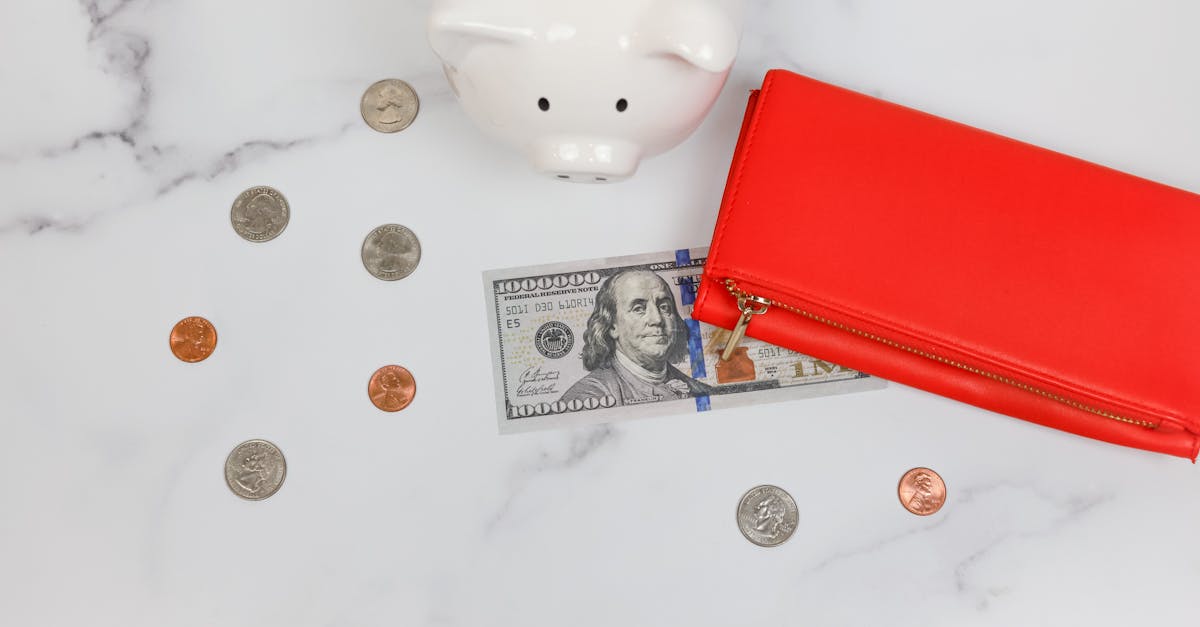
American households are grappling with an increasingly precarious equilibrium: the personal savings rate has dipped to 4.4%, a stark decline from 8.0% just a year ago. As inflation peeks at 4.2%, financial cushions are shredded by rising costs, culminating in a squeeze on household finances reminiscent of the turbulent economic landscape seen during the pandemic and post-recovery era.
Contextualizing the Decline
At 4.4%, America’s personal savings rate positions the nation well below the averages of many other advanced economies. For context, the German savings rate currently hovers around 9.7%, while households in France maintain an even healthier rate at 15.6%. This divergence highlights persistent issues within the U.S. economy, where not only inflation, but also stagnating wages are creating a challenging environment for maintaining financial security.
The Weight of Inflation and Interest
Inflation isn’t just a number; it’s a direct hit on purchasing power. The Consumer Price Index (CPI) data ultimately reflects this, as costs for essentials continue to rise. The toll of a 4.2% inflation rate means families are spending more than they were a year ago, effectively eroding the saved funds that many hoped could stave off tighter budgets.
On top of that, the current interest rate sits at 3.63%. This has profound implications for those households that rely on traditional savings accounts or opt for consumer loans. Loan burdens grow heavier, while savings earn less — a double whammy that encourages saving less when it’s needed most.
Workforce Dynamics and Financial Health
Unemployment remains relatively low at 4.3%, further complicating household finances. While a low jobless rate typically correlates with stronger savings, this particular metric belies deeper issues among U.S. workers. Wage growth has lagged behind inflation, leading to stagnant or even diminishing disposable incomes for many families. The intersection of declining savings and elevated living costs paints a troubling picture that could unsettle economic stability if left unchecked.
A Global Perspective
Comparing global household savings gives us clarity. Countries like Australia, which recorded a savings rate of approximately 9.3%, emphasize the need for robust financial management as they navigate similar inflationary pressures. These countries reflect a cultural propensity to save more, an attribute that contrasts sharply with the current U.S. trend, raising inquiries into consumer behavior and confidence.
Reflecting on Future Challenges
The overarching trend leaves households with less room to maneuver financially. As the cost of goods and services climbs, coupled with interest rates that slow spending via credit-based purchases, the pressure on American families becomes palpable. What remains uncertain is whether consumer sentiment will shift towards more cautious spending in anticipation of a recessionary tide — based on historical data, such shifts typically emerge in periods of heightened economic anxiety.
Echoes from the past suggest that history often rhymes; if household financial strategies don’t evolve to accommodate rising prices and stagnating wages, many families may find themselves ill-prepared for future shocks. The landscape of American households is poised for significant transformation, and as savings dwindle, it’s a signal that economic resilience must be prioritized in the days to come.