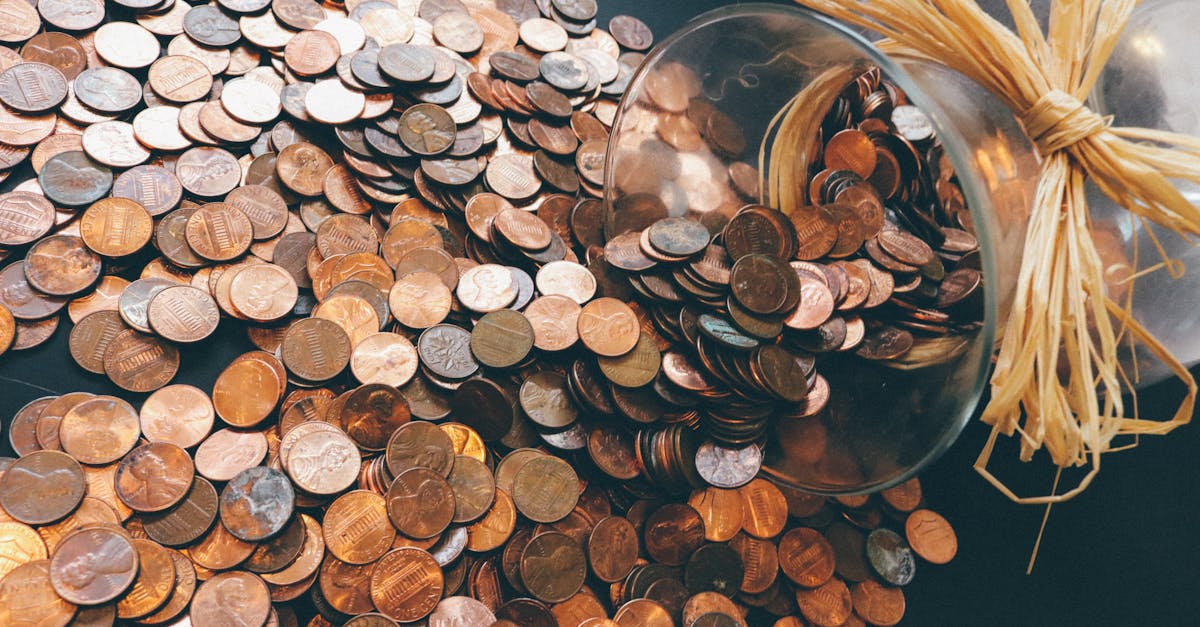
A Bleak Perspective on Savings
American households are sitting on savings levels that fell from 10.9% of disposable income to 8.1% in the past year, signaling a shift in the financial landscape that could have profound implications. For those navigating the aftermath of a pandemic and ongoing inflationary pressures, this decline underscores a vital narrative in household finance.
Contextualizing the Decline
Household savings, as measured by the Bureau of Economic Analysis, reached a staggering $1.5 trillion pre-pandemic, buoyed by government stimulus checks and reduced spending options. Fast forward to today, and the landscape has changed dramatically. While U.S. households dealt with record cash balances during 2021, the persistent inflation rate, which recently hit 3.8%, erodes purchasing power and shrinks the safety net built during economic uncertainty. This savings compression positions the U.S. in a worrying contrast to other developed economies, where countries like Germany and Canada have seen more stable savings rates, hovering around 10%.
The Interest Burden
An additional layer of complexity is added by interest rates set at 3.63%, a move by the Federal Reserve to combat ongoing inflation. Increased borrowing costs compel families to allocate a larger portion of their budgets toward debt repayment rather than savings. In an environment where 4.3% of the labor force remains unemployed, many are already feeling squeezed, resulting in increased reliance on savings for day-to-day expenses.
Generational Divide in Savings Behavior
Interestingly, generational savings habits illustrate a striking gulf. Millennials, in particular, face unique hurdles with student debt and ballooning living costs, creating barriers to effective savings. Data from the Federal Reserve shows that nearly 50% of younger households have less than $1,000 saved up. This presents not only a current crisis but embeds long-term implications for generational wealth building and financial literacy.
Spending Versus Saving
U.S. spending patterns indicate a robust recovery post-pandemic, with the latest consumer spending data showing a resilient demand economy. However, this rebound is puzzling amid waning savings. Consumer confidence remains somewhat intact, but the willingness to spend, despite eroding savings, complicates existing theories surrounding economic recovery and household resilience. Achieving equilibrium between spending and saving is increasingly pivotal for future financial security.
Navigating Uncertainty
With household financial decisions impacted by a volatile combination of inflation and rising interest rates, many Americans are witnessing firsthand the tension between immediacy in consumption and prudence in savings. Financial decision-making is becoming a discernible juggling act. The need for adaptive strategies in personal finance has never been more apparent, driving interest in diverse savings accounts and investment opportunities.
The Road Ahead
As we gaze forward into the economic horizon, the narrative of American savings is not just about numbers; it’s about resilience, adaptability, and the evolving definition of financial security. Household finance will require individuals to strike a delicate balance characterized not only by strategic saving but also by informed spending. This paradigm shift may force a re-examination of savings priorities — catalyzing a new era in personal finance that is responsive to the realities of the times.