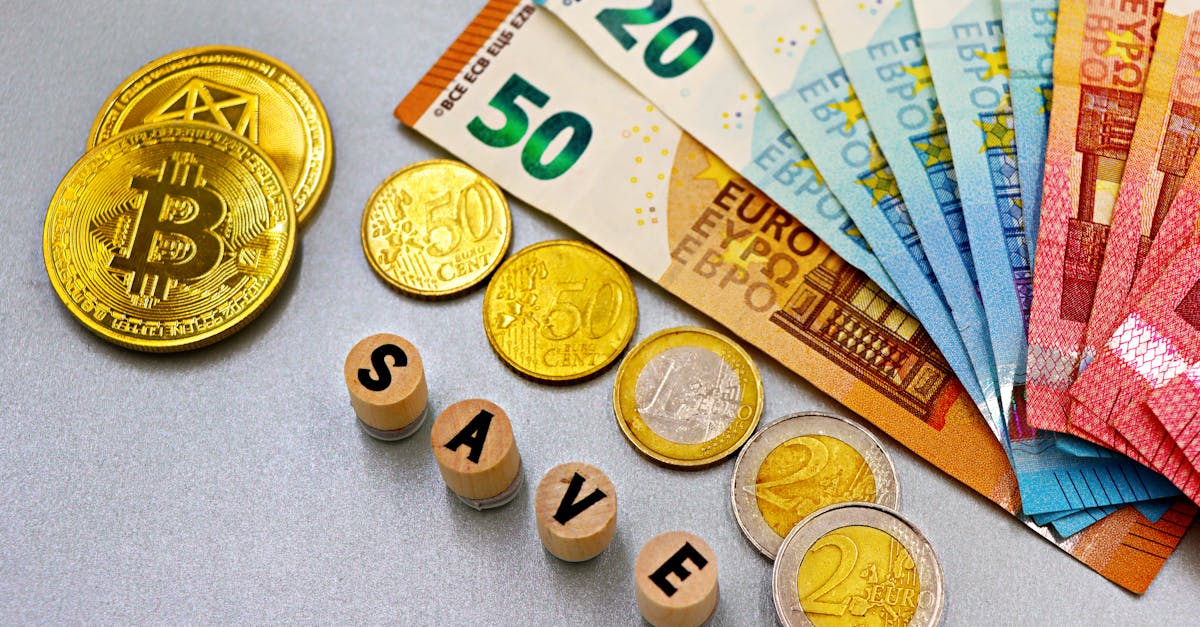
A Decline in the Savings Rate
Household savings in the United States have taken a significant hit, falling to 6.4% of disposable income in the latest quarter. This marks a stark decrease from last year’s rate of 8.3%, indicating a shift in consumer behavior as economic pressures weigh heavily.
Pressure Brewing from Multiple Directions
As inflation hovers at 3.8%, according to the Bureau of Labor Statistics, consumers are facing a dual challenge of rising prices while grappling with stagnant real income growth. Even with the unemployment rate at a relatively low 4.3%, which suggests a healthy labor market, the cost-of-living increase is effectively diminishing the purchasing power of American households.
The drop in savings contrasts sharply with data from several European countries. For instance, Germany reported a household savings rate of around 10.7%, reflecting a different consumer mentality shaped by distinct economic conditions. While European nations tend to prioritize savings more heavily in uncertain times, U.S. consumers are increasingly feeling the squeeze of rising costs, pushing them towards immediate spending rather than long-term saving.
The Interest Rate Conundrum
The Federal Reserve’s current interest rate of 3.63% complicates the savings landscape further. Higher interest rates typically encourage savings by offering better returns in traditional deposit accounts. However, the prevailing economic uncertainty seems to be trapping Americans in a cycle of short-term spending and limited saving. Financial advisors typically emphasize the importance of an emergency fund, yet the mounting pressures on household budgets appear to be sidelining this advice.
Consumer Sentiment and Spending Patterns
A recent survey from the Fed highlights a notable trend: nearly 60% of Americans reported that rising prices have forced them to alter their spending habits drastically. Many are cutting back on discretionary expenses, including travel and dining out, which signals not just a cautious approach, but a reactive one. This shift can be reflected in retail sales figures, which, while still showing growth, are rising at a slower pace compared to last year.
Future Prospects: Navigating Economic Tides
Looking toward the horizon, the situation remains precarious. If inflation remains sticky or continues to rise, household savings could dip even further, potentially leading to increased reliance on credit to bridge financial gaps. The juxtaposition of a robust labor market with an anxious consumer base challenges conventional economic wisdom — where employment generally fuels consumer confidence and spending.
As households navigate through this restrictive economic landscape, their collective behaviors could very well shape future monetary policies and economic indicators. The ongoing debate among economists centers around whether the trends in savings reflect a temporary adjustment or signify a longer-term shift in American fiscal philosophy, poised to redefine the very nature of household finance.