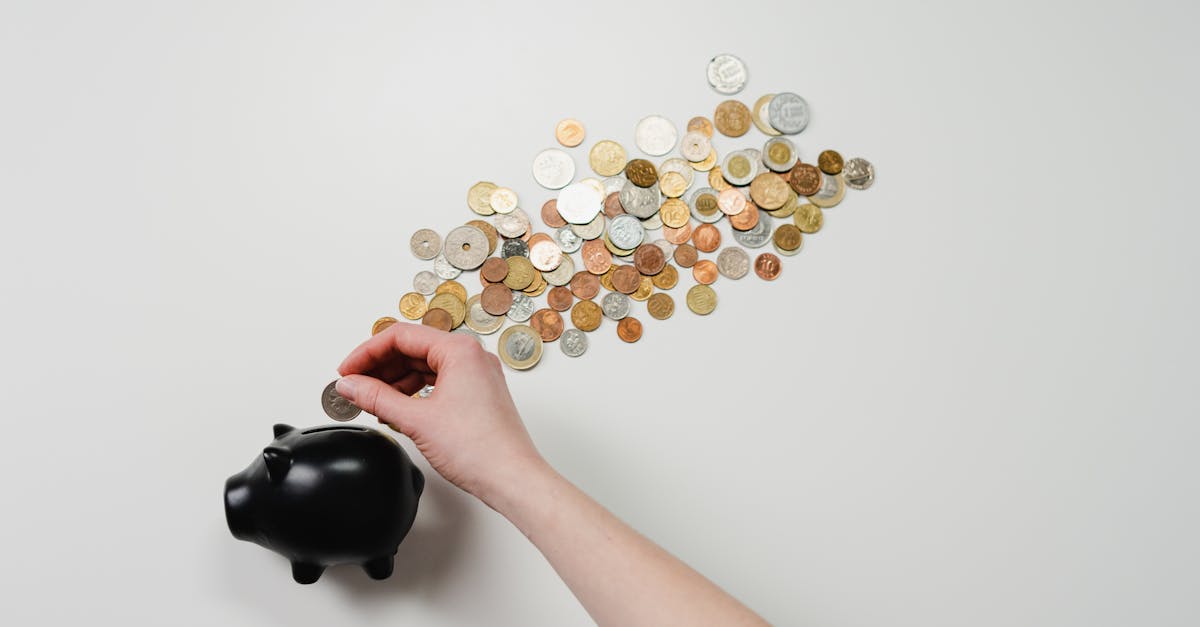
A Tipping Point in Household Savings
The current household savings rate in the United States stands at 4.6%, reflecting a generational shift as Americans navigate the post-pandemic economic landscape. This figure, released by the Bureau of Economic Analysis, signals a stark contrast to the pandemic peak when savings soared to over 30% in April 2020. As consumer behavior evolves amidst rising inflation and interest rates, the implications for economic growth and stability are profound.
A Comparative Snapshot
Examined through a global lens, the U.S. savings rate appears modest compared to many industrialized nations. For instance, Eurozone countries reported an average savings rate of approximately 11% in 2022, showcasing that American households are recuperating from a period of unparalleled fiscal conservatism, yet remain cautious. Last year’s savings rate was notably higher at 8.5%, illustrating a sharp decline as consumption patterns shift back to pre-pandemic norms.
Inflation Concerns: The Real Erosion of Savings
The Bureau of Labor Statistics recently reported an annual inflation rate of 2.4%. While this is a considerable decrease from last year’s peaks, it still contributes to the erosion of purchasing power, compelling households to make tough decisions regarding discretionary spending. If inflation rates were to rise unexpectedly, the direct impact would likely manifest in further reductions of household savings as families prioritize daily necessities over saving.
Interest Rates: A Double-Edged Sword
Rising interest rates, currently at 3.64%, complicate the savings landscape further. While higher rates could entice savings accounts to yield more in interest, the cost of borrowing simultaneously escalates, impacting consumer credit demand. American families, already stretched thin by rising living costs, may find it increasingly difficult to allocate funds towards savings when faced with escalating mortgage or loan repayments.
Employment Dynamics: A Mixed Bag
With the unemployment rate at 4.4%, the job market demonstrates a degree of resilience. However, this stability might mask underlying distress for many. Wage growth has not kept pace with inflation, leading to a phenomenon where even employed households may struggle to maintain saved amounts as stagnant wages lead to a tightening of budgets.
The Future of Household Savings
American households are entering a crucial phase where the balance between immediate financial needs and long-term savings becomes paramount. With an uncertain economic environment ahead, characterized by potential inflationary pressures and fluctuating interest rates, the capacity for saving may hinge on broader macroeconomic policies and consumer sentiment. As families recalibrate their financial strategies, how they adapt to these evolving circumstances will be pivotal in shaping the economic landscape for years to come.