The Cost of a Summer Vacation
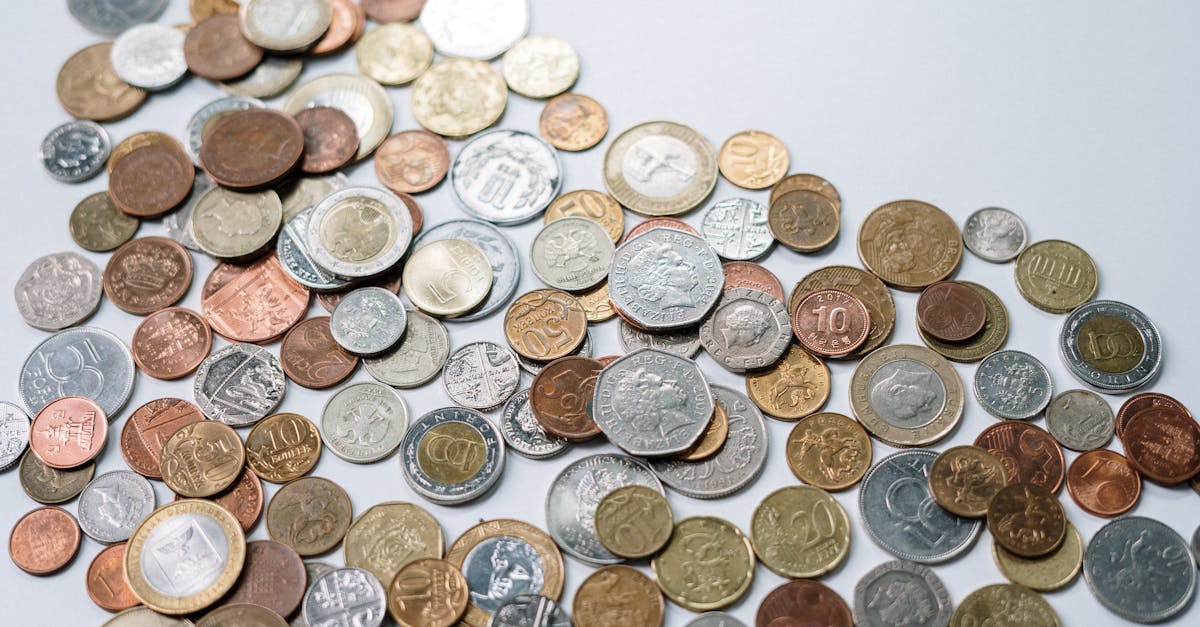
Imagine the Harper family from Omaha, Nebraska, packing their bags for a much-anticipated family vacation in Europe. As they set their sights on Paris, they’re hit with an unexpected reality: the exchange rate. Last month, the dollar was trading at roughly €0.93, meaning for every dollar, they could get about 93 cents in euros. Now, with the exchange rate slipping to €0.88, their funds are stretched considerably. Suddenly, that bakery in Montmartre where they dreamed of indulging in flaky croissants isn’t just about food—it’s about the weakening dollar.
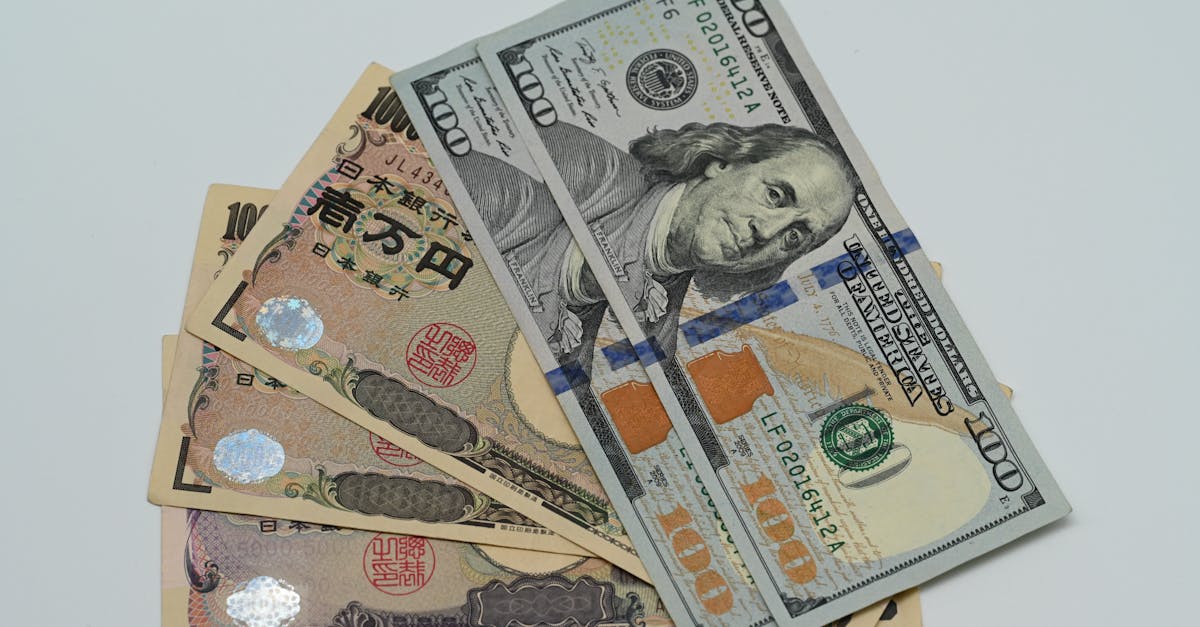
With inflation currently at 4.2%, the Harpers aren’t just contending with international pricing disparities. According to the Bureau of Labor Statistics, everyday expenses back home are also climbing, squeezing their budget tighter. In an environment where consumer spending has recently become more cautious, each exchange from dollars to euros feels like losing a piece of the family vacation pie. The dollar’s drop means they will now need to shell out more money for every euro they convert, tightening what they can enjoy.
The Ripple Effect of Currency Fluctuations
The Harpers aren’t alone in feeling the pinch. Take a moment to consider a small business owner, like Tom, who imports handcrafted goods from Italy. As the dollar loses value against the euro, each shipment becomes pricier. This isn’t just a story of declining purchasing power abroad; it influences his pricing strategy at home. His products, already feeling the burden of a 4.3% unemployment rate that dampens consumer confidence, may have to see price increases—costing him customers and an even tighter budget for American families.
With the Federal Reserve dialing interest rates to 3.63% in a bid to control inflation, borrowing has become more expensive. Tom contemplates whether he should invest in more inventory or hold back on spending. Much like the Harper family, he weighs wants against needs, conscious of how foreign exchange dynamics impact his choices.
The Family Budget Balancing Act
Returning to the Harpers, their struggles illustrate the intimate connection between exchange rates and household finances. They know that splurging at a restaurant or taking a side trip is now less likely thanks to the strengthening dollar’s bite. Their initial plan to seize fleeting euro opportunities has become marred by an unexpected cost shift, steering their vacation destination more towards budget eateries rather than Parisian fine dining. Tom’s dilemma mirrors theirs; higher costs can lead to fewer purchases, creating a cycle that stifles growth and opportunity.
As they review their travel options, the Harpers consider staying in a less expensive area, choosing reasonable restaurants, and limiting their shopping. Their choices echo a common thread in many American households where higher living costs collide with the urgent need to stretch every dollar. Currency fluctuations don’t just affect vacations; they seep into the fabric of American life.
Back to the Living Room
That evening, over a simple dinner, the Harpers assess what this trip means against the backdrop of changing times. Their discussion shifts from the alluring lights of the Eiffel Tower to practical matters—the rising price of gas, groceries influenced by global supply chains, and the deteriorating strength of the dollar.
The looming uncertainty makes their dreams of traversing European streets feel more fragile than ever. Amid the specter of inflation and interest rates, families like the Harpers are urged to adapt their aspirations, cultivating innovative ways to enjoy life in a fluctuating currency landscape. Whether it’s accepting a less extravagant vacation or working within tighter budgets, the adaptations speak volumes about resilience amidst the ever-changing economic tides.