Where Steady Meets Shaky
While inflation lingers around a seemingly manageable 3.3%, a number that suggests economic stability, the true story is more nuanced. At first glance, this figure paints a picture of a victorious Federal Reserve, one that has tamed the beast that raged during the previous years. Yet, beneath this ostensibly calm surface, various sectors face starkly divergent realities, revealing a rift between what appears stable and what is unfolding in the lives of consumers across the country.
Diverging Fortunes: Winners and Losers
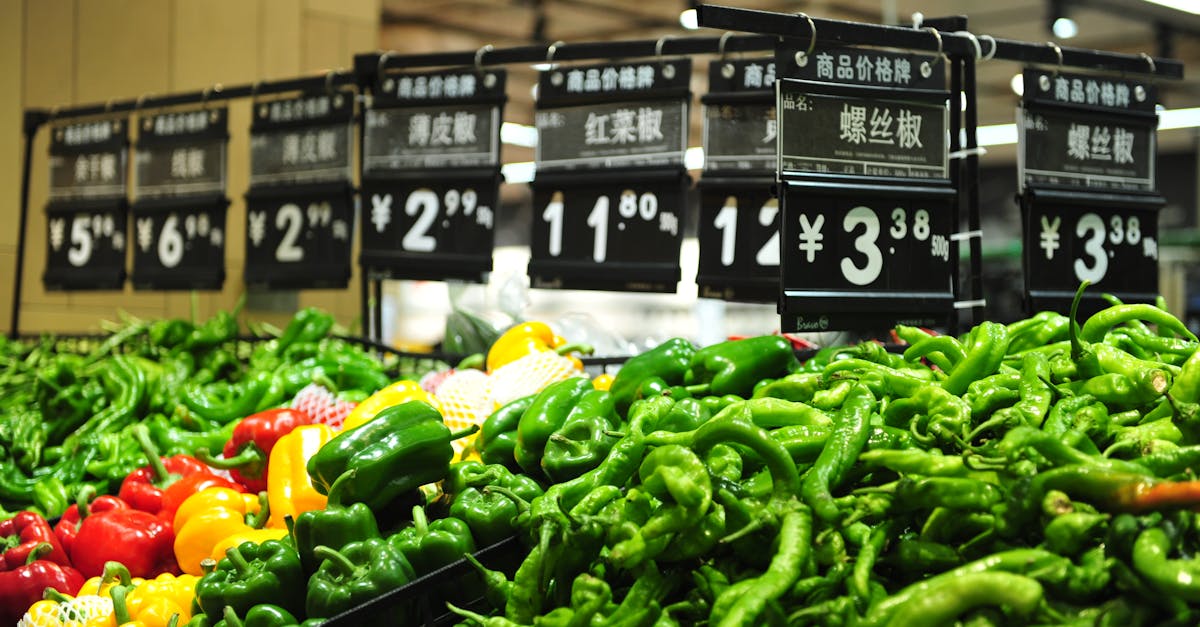
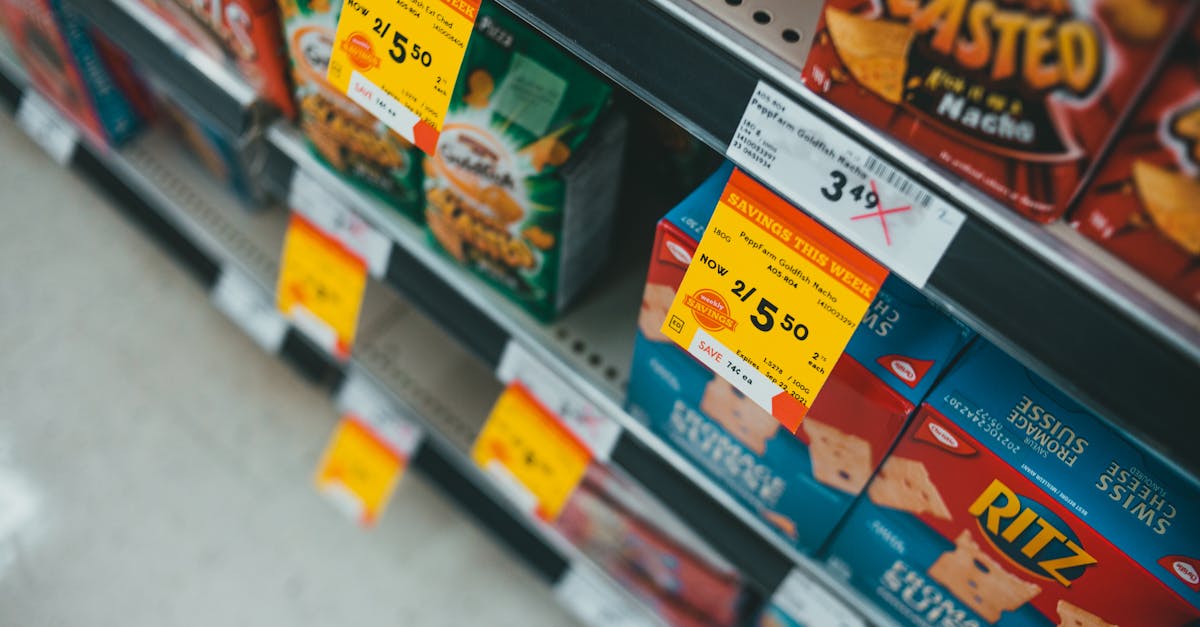
Retail sales data from the Census Bureau suggest that consumer spending is robust in leisure and hospitality sectors, driven by pent-up demand post-pandemic. Specifically, service-related sectors like bars and restaurants report a year-over-year increase of 19%. Conversely, grocery prices have increased significantly, following a different trajectory entirely. According to the BLS, food prices surged by 10% year-over-year, making grocery shoppers feel the weight of inflation even as other areas of spending seem to stabilize. This disparity questions which consumers truly benefit from current inflation trends — urban dwellers flocking to hotels and eateries, or family shoppers struggling at the supermarket.
Regional Price Psychology: A Patchwork
Geographic disparities present another layer of complexity. In metropolitan areas, inflation feels different compared to rural settings. For instance, urban consumers in New York and San Francisco report price increases that outstrip the national average in housing and fuel costs. The BLS notes that regions like the Midwest often see lower inflation rates — in some cases dipping well below the national figure. This paints a disconcerting picture of economic health; it showcases a recovery from COVID-19 that is unevenly distributed. As job markets remain tight in cities, workers may find moving away from high-cost areas increasingly impractical, stuck in a socio-economic limbo generated by inflation.
The Elephant in the Room: Rising Expectations
Amidst these candid economic conditions, consumer expectations of inflation continue to diverge from reality. Despite the recent moderating of overall inflation, surveys from the Federal Reserve reveal that future expectations hover higher, influential in shaping spending habits. Households predict an inflation rate near 4%, up from 3%, indicating an underlying fear of prices climbing unexpectedly again. This unsettling forecast tempts consumers to shift their purchasing behaviors, which could inadvertently reinforce inflation through higher consumer demand in certain sectors — a self-fulfilling prophecy perhaps induced by misguided consumer sentiment.
Beyond the Headlines: The Hidden Costs of Stability
The headline inflation figure masks a potent undercurrent: that of stagnant wages. As of early 2026, average hourly earnings increased only 3% annually, failing to keep pace with the persistent inflation rate. The real wages, adjusted for inflation, effectively erode consumer purchasing power. This ‘hidden trend’ creates an unsettling surging core of inequality; those whose incomes rise at a rate lower than inflation essentially see their financial health implode, while others capitalize on the economy’s reopening.
The Fork in the Road: What Comes Next?
As we dissect these multi-faceted economic realities, one question looms large: where do we go from here? With potential hikes in interest rates on the horizon and the trajectory of prices uncertain, there exists a decisive fork ahead. Will policymakers prioritize growth, risking inflationary pressures, or will they take the cautious route, potentially stunting recovery just as consumer confidence rebounds? In this era of fluctuating consumer sentiment, the choices made now will significantly influence the fabric of the entire economy, revealing whether stability is a veneer or a genuine revolution in American purchasing power.