National Investment in Progress
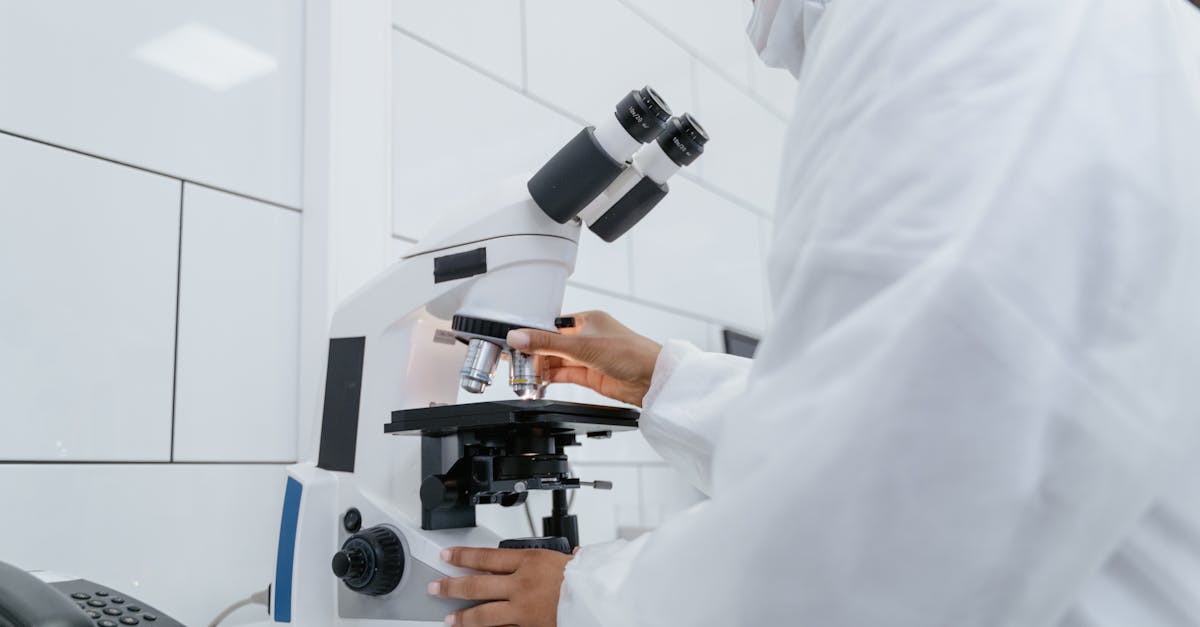
The U.S. dedicated over $714 billion to research and development efforts in 2023, marking a staggering 6.3% increase from the previous year. This positions the country as a global innovation leader, significantly ahead of other nations like China, which invested approximately $536 billion during the same period. Such robust funding highlights a clear commitment to tapping into technological advancements, particularly in the aftermath of the pandemic, where industries scrambled for innovative solutions to complex challenges.
Contextualizing Innovation Metrics
Digging deeper into the R&D figures, the Bureau of Economic Analysis reported that the U.S. Gross Domestic Product (GDP) attributed to R&D activities increased to 3.4% of total GDP, compared to 3.1% in 2022. This is particularly notable when compared to the EU’s average of 2.2%, underscoring an aggressive push toward adopting creative technologies and cutting-edge methodologies in various sectors. As inflation sits at 3.8% and the unemployment rate at 4.3%, these figures suggest that innovation is seen not just as aspirational but as an essential economic driver to navigate current challenges.
Sectors Riding the Innovation Wave
The healthcare sector stands out, with a staggering $220 billion invested in biotechnology and pharmaceuticals alone, a significant leap from $189 billion the previous year. With a heightened focus on personalized medicine and artificial intelligence in drug development, the U.S. aims to maintain its edge in global health advancements. Meanwhile, energy innovation—especially in renewable resources—has also surged, as companies seek sustainable alternatives and government grants increasingly back green tech initiatives.
Talent Acquisition and Employment Dynamics
This innovation boom has a tangible effect on job creation. Tech and R&D sectors have reported an influx of new positions, contributing to a stable unemployment rate of 4.3%. Organizations are not merely hiring; they are increasingly seeking specialized skills, evidenced by a 12% rise in job listings for both AI specialists and data scientists in 2023. The workforce is evolving, with higher education institutions ramping up science, technology, engineering, and math (STEM) programs to meet demand.
Interest Rates and Funding Challenges
Despite the promising surge in R&D investment, the current interest rate of 3.64% could pose potential hurdles for startups seeking funding. Higher borrowing costs may deter risk-averse investors, especially in a landscape rife with inflation pressures. However, venture capitalists remain aggressive, leading to a contradictory environment where innovation thirsts for capital even as financial constraints loom.
A Competitive Edge or a Stumbling Block?
As the world watches, the U.S. must strike a careful balance between keeping pace with global competitors and addressing internal economic challenges. Continued support for R&D could enhance productivity and technological leadership. Yet, the current economic landscape requires vigilance to ensure that R&D investments translate into meaningful innovation, rather than falling prey to financial headwinds.
The Road Ahead
The path forward is paved with both opportunity and uncertainty. With the right focus, the U.S. could solidify its front-runner status in innovation while fostering sustainable growth in the face of fluctuating economic indicators. As the pursuit of knowledge marries creativity with data-driven strategies, the hope is that the nation can leverage its innovation ecosystem to not just adapt but thrive in an ever-evolving global landscape.