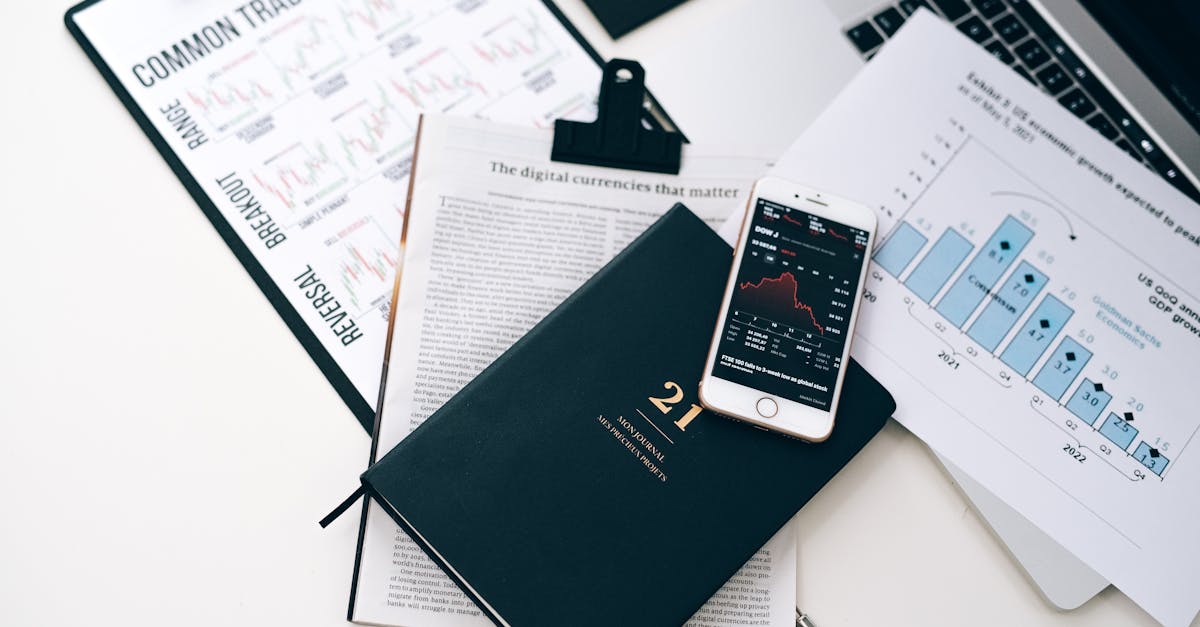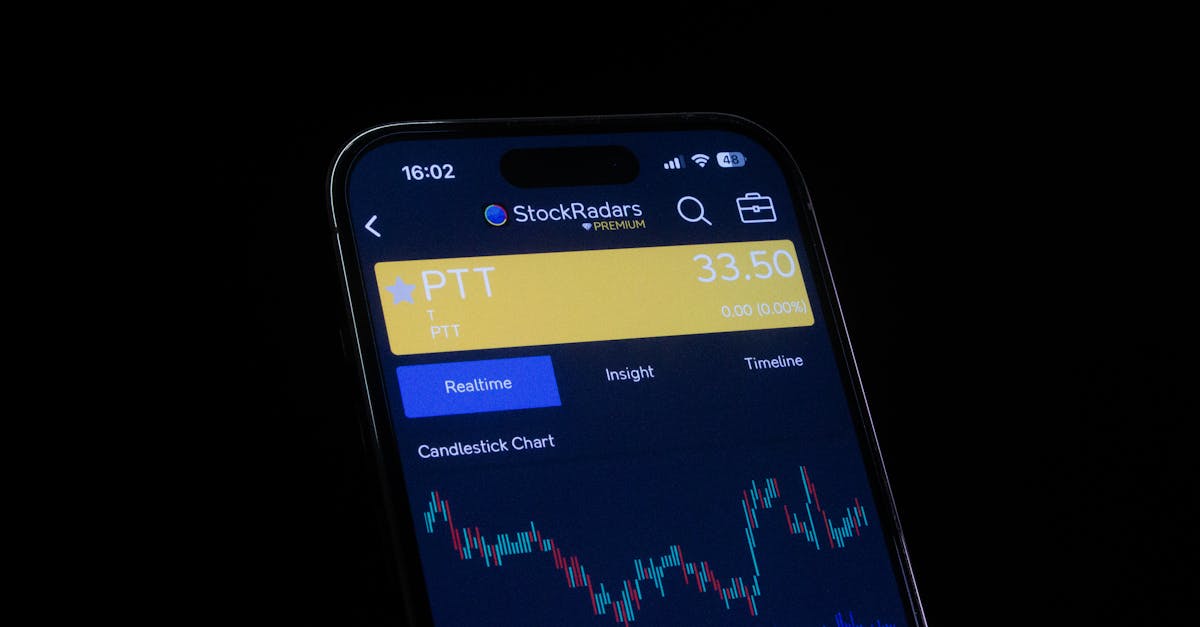
As the sun rises over Maplewood, a quaint suburban neighborhood, Sarah Larson settles into her favorite chair, sipping coffee while checking her investment portfolio via a smartphone app. The flickering numbers reveal a familiar story: the stock market is on the rise — or at least, was until recently. As Sarah’s gaze moves across the screen, she reflects on how the fluctuations in the market impact not only her family’s savings but also their hopes for the future.
The Larson family, with two kids and a modest home, has become increasingly reliant on the stock market for their financial security. They’ve invested in mutual funds, aiming for long-term growth that would one day allow them to buy a vacation home. However, recent economic shifts have caused both excitement and anxiety. Sarah notes that the S&P 500 had increased roughly 15% over the past year, instilling a sense of optimism, yet the specter of inflation looms. The Bureau of Labor Statistics reports that inflation is currently at 2.4%, which means that every dollar they invest must work even harder to maintain purchasing power.
The Larsons aren’t alone in this tug-of-war between opportunity and uncertainty. Nationally, the job market has started to level out, with unemployment resting at 4.4%. For many Americans, this rate indicates a stabilizing job market, yet beneath the surface, sectors like technology exhibit volatility, reflecting broader economic sentiments that affect stock valuations. For instance, tech firms were once the darlings of the market, but recent layoffs — influenced by interest rate hikes from the Fed, which stand at 3.64% — have left investors questioning their stability.
As Sarah continues to read, her attention is drawn to an article highlighting a tech startup that just went public, making headlines for its skyrocketing stock price. Analysts speculate that this could signal a resurgence in IPOs, a key indicator of market health. The enthusiasm surrounding new public offerings can create a ripple effect, boosting not only investor confidence but also employee morale in the tech sector, as many workers rely on stock options as part of their compensation.
Meanwhile, Dave, a friend of the Larsons and a small business owner, contemplates his own financial footing. The increased borrowing costs resulting from the Federal Reserve’s interest rate policy put a strain on his ability to finance new ventures or expand his operations, reminding him that what happens on Wall Street doesn’t just stay there. Dave’s firm relies heavily on local investments to thrive, and while the stock market’s recovery might suggest a growing economy, the realities of a higher interest rate make financing less accessible for entrepreneurs like him.
As another week of trading comes and goes, Sarah looks to her portfolio again, feeling a mix of hope and concern about the market’s trajectory. The influence of real-world indicators on stock performances creates a complex web where she, Dave, and others navigate their dreams — dreams tinged with the reality of inflation and interest rates that shape every financial decision they make.
Returning to the living room after a moment of reflection, Sarah considers the implications anew. Her family’s aspirations echo a deeper narrative about economic vitality; every investment is a step toward security, but with the specter of fiscal policy in play, the path is anything but straightforward. Sarah recognizes that every fluctuation in the stock market reverberates not only through her investments but also through the fabric of her community, shining a light on the interconnectedness of economic health and familial well-being.
As she closes her app, the numbers flicker with the uncertainty of economic tides, inspiring both contemplation and action, reminding her once again that stock market developments aren’t just figures; they’re real lives, real choices, and real futures.