$6 trillion
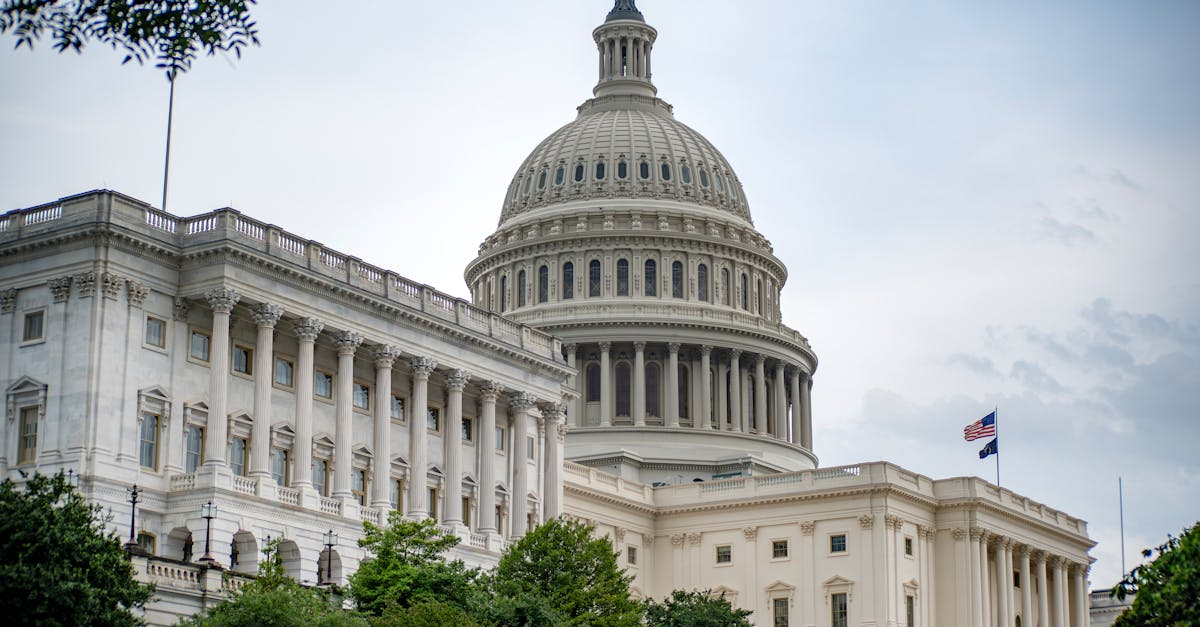
In a striking display of scale, the U.S. federal budget for fiscal year 2023 has soared to roughly $6 trillion, illustrating the expansive role that fiscal policy plays in shaping the nation’s economic landscape. This significant number reflects a combination of anticipated revenues and expenditures, underscoring the federal government’s increasing involvement in areas ranging from health care to infrastructure.
The big picture reveals a federal budget deficit projected at $1.4 trillion, a stark figure that raises questions about sustainable growth and future tax implications. Consequently, the national debt has reached over $32 trillion, translating to about $97,000 per citizen, forcing taxpayers to grapple with the magnitude of fiscal decisions that resonate far beyond budget meetings.
The Machinery of Economic Intervention
Government spending is not just a number on a ledger; it is the mechanic that stirs the economy. Fiscal policy affects everything from consumer demand to job creation. This year, discretionary spending aimed at key sectors, including education and transportation, has totaled around $1.7 trillion — supporting over 2 million jobs across the country. The emphasis on infrastructure alone has seen a 25% increase in allocations since the previous fiscal year, vital in a landscape where 73% of Americans support government investment in public projects.
Localized Impact on Households
But what does this mean for everyday Americans? With inflation still hovering around 3.7%, families are currently absorbing the shockwaves of rising prices, meaning that government programs like food assistance and housing subsidies have become increasingly critical. The Supplemental Nutrition Assistance Program (SNAP) alone received an increase, reaching approximately $110 billion for 2023, reflecting government recognition of food insecurity that affects nearly 10% of U.S. households.
In addition to assistance programs, tax policy remains a conduit of fiscal maneuvering. The recent expansion of tax credits under the Build Back Better initiative has provided an average of $3,600 to qualifying families with children, directly impacting consumer spending. Households have reported that this credit not only eased financial burdens but also encouraged expenditures on essential goods, thereby stimulating local economies.
Challenges on the Horizon
While the current fiscal landscape portrays a proactive government, potential pitfalls lie ahead. An escalating interest rate environment, prompted by the Federal Reserve’s attempts to combat inflation, has led to increased borrowing costs. The Fed’s recent decision to raise rates by 25 basis points indicates a struggle to achieve a delicate balance, with the committee signaling at least two more hikes ahead.
As fiscal policies intertwine with monetary measures, the potential for a slowdown becomes increasingly tangible. A negative GDP growth rate recorded in the first half of the year was attributed, in part, to tightened fiscal constraints and inflationary pressures, making it crucial for policymakers to craft strategies that mitigate disruptive outcomes while enhancing economic stability.
The Road Ahead
The fiscal policies adopted now will resonate far into the future, influencing everything from employment rates to national wealth distribution. The question lingering in the air is whether current strategies can evolve to not just address immediate needs but to stabilize the economy in the long run. As discussions on the budget and expenditures advance, the implications for the average citizen become more profound, shaping the pathway for the U.S. economy for years to come.