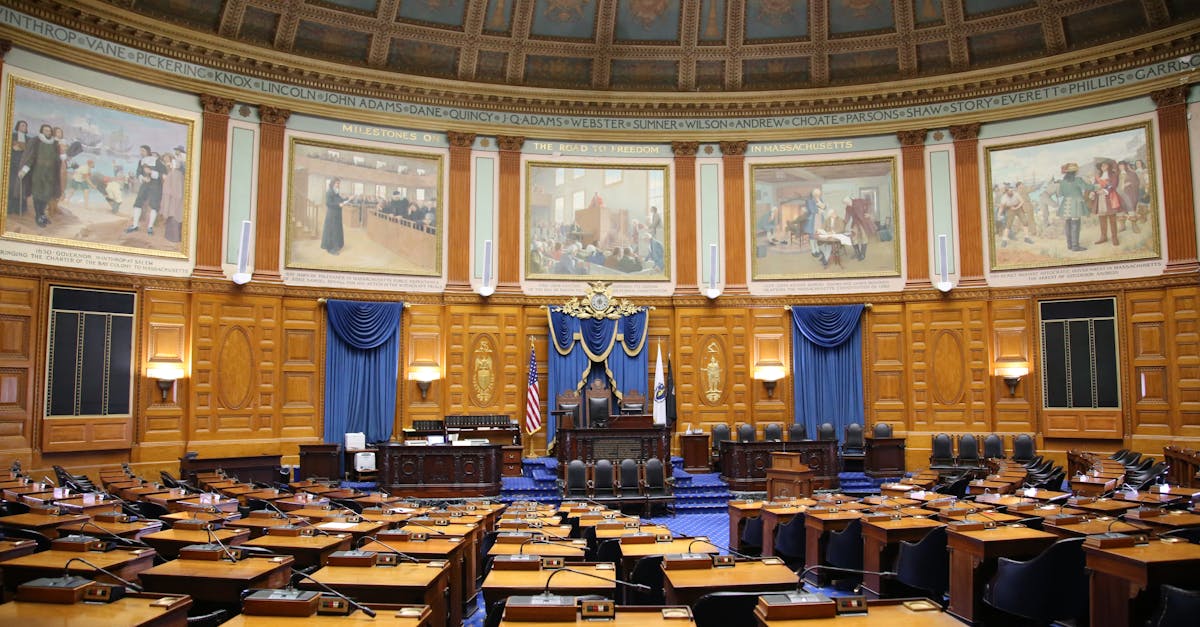
$31 Trillion and Counting
The United States federal debt has crossed an astonishing $31 trillion, a figure so colossal that it represents nearly 125% of the nation’s Gross Domestic Product (GDP) as of mid-2023. This astronomical debt level underscores the scale of spending and borrowing that has characterized U.S. fiscal policy, especially in the wake of significant economic disruptions caused by the COVID-19 pandemic and geopolitical tensions.
The Machinery of Government Spending
In the fiscal year 2022, the federal government spent approximately $6.27 trillion, surpassing tax revenues by over $1.4 trillion. This deficit has raised alarms among economists about sustainability, especially as interest payments on the national debt reached $523 billion—a growth of over 30% from the previous fiscal year. These figures point to a tightening fiscal space amid increasing obligations.
Homeowners and Renters Feel the Impact
The ripple effects of this fiscal landscape are palpable on the ground. For instance, federal policies have significantly influenced housing assistance programs, leading to an uptick in demand for rental aid. According to the Census Bureau, 3.8 million households reported being behind on rent in late 2023, a troubling reminder of how fiscal decisions affect everyday Americans.
Interest Rates: A Domestic Concern
As the Federal Reserve responds to inflationary pressures with interest rate hikes, the cost of borrowing has escalated. The average mortgage rate surged to 7.12% in October 2023, contributing to a drop in new mortgage applications by 36% year-over-year, according to the Mortgage Bankers Association. These developments reinforce the burden on homebuyers and renters grappling with elevated housing costs.
Unpacking Workforce Challenges
The strain on fiscal resources is evident in federal investments in workforce development, which have been limited amidst ongoing budget deficits. The U.S. Bureau of Labor Statistics reveals that job openings in critical sectors remain stubbornly high, yet there is a significant skills mismatch, particularly with 10.1 million jobs unfilled as of September 2023. This exacerbates wage stagnation and limits economic mobility for many workers.
The Future of Fiscal Responsibility
A growing chorus of policymakers and economists is calling for a recalibration of fiscal policy strategies to address both the escalating debt and the urgent need for sustainable funding of services. With the Congressional Budget Office projecting that interest on the debt could reach $1.4 trillion by 2033, a comprehensive approach becoming necessary.
Fiscally responsible decisions made today not only determine the economic landscape of tomorrow but dictate the daily realities of millions of Americans moving forward.