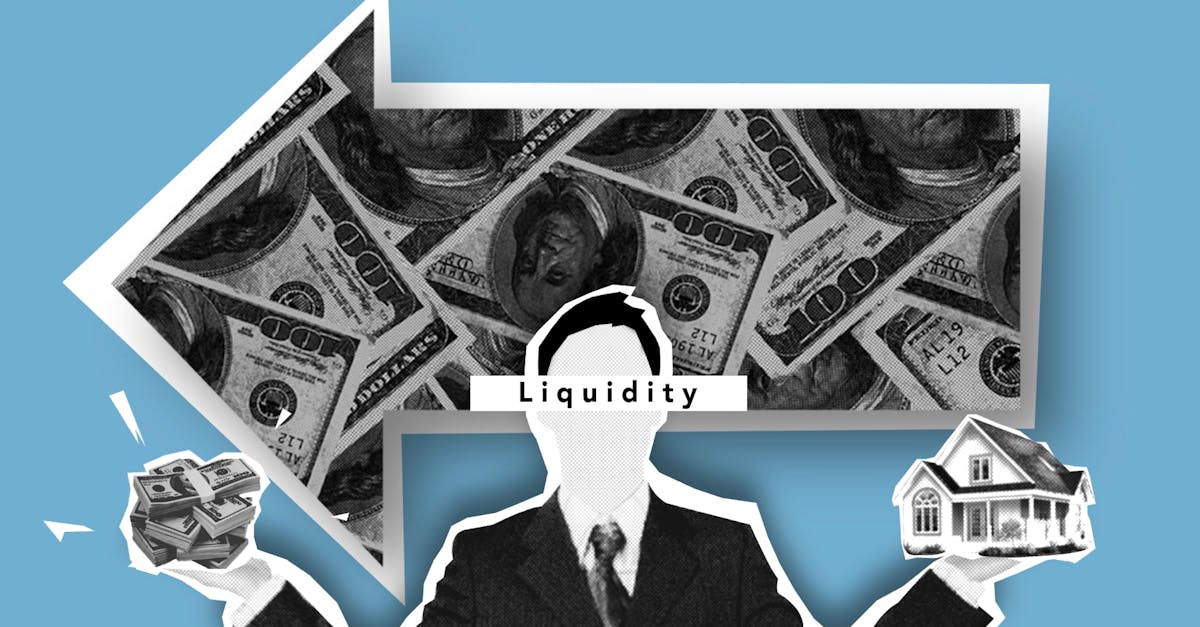
A $31 Trillion Dilemma
The U.S. national debt has skyrocketed to approximately $31 trillion, a figure that resonates deeply amidst ongoing economic turbulence. This staggering sum represents more than 120% of the country’s Gross Domestic Product (GDP), a threshold many economists consider unsustainable in the long run. Such debt isn’t just a number; it influences spending decisions across households and businesses alike, as the government finds itself juggling priorities between fiscal responsibility and stimulating growth.
Spending vs. Revenue: The Impasse
Federal spending reached a remarkable $6.27 trillion last year, driven primarily by pandemic relief efforts and increased public service funding. Contrasting this, the government collected $4.9 trillion in revenue, leaving a gaping deficit of $1.37 trillion. This misalignment forces lawmakers into a complicated calculus where each fiscal policy decision can lead to tangible repercussions on inflation, job creation, and public services that Americans rely on daily.
The Human Cost of Debt
The fallout from mounting national debt often takes the shape of higher interest rates, which reached an average of 5.4% on 30-year fixed mortgages as of early October 2023. This rise in borrowing costs isn’t just a statistic—it translates directly into monthly payments for homebuyers and impacts consumer lending across various sectors. As families are squeezed by these financial pressures, discretionary spending necessarily takes a hit, which can stall economic growth.
Infrastructure and Public Services: A Tug of War
Amidst this deficit, significant investments in infrastructure, healthcare, and education are at risk, threatening long-term productivity gains. For instance, committed federal funding for infrastructure projects has increased by nearly $550 billion over the past two years, aiming to address both aging systems and climate resilience. Yet, with limited financial capacity, the debate rages over which projects to prioritize—a question that invariably affects communities nationwide.
Inflation: The Inescapable Shadow
As the government seeks to manage its fiscal commitments, inflationary pressures loom large. The Consumer Price Index (CPI) saw an average increase of 3.7% over the past year, with essential goods like food and energy experiencing even steeper rises. For the average American, this erosion of purchasing power is no mere academic concern; it impacts grocery bills and fuel costs, forcing recalibrations in household budgets.
Fed’s Role in the Equation
The Federal Reserve has been placed in a precarious position due to these fiscal challenges. With interest rates at relatively high levels, the Fed is tasked with curbing inflation without triggering a recession. As of now, the central bank’s federal funds rate stands at 5.25% to 5.50%, making borrowing more expensive and affecting economic activity. Frequent adjustments may be necessary, should inflation remain stubbornly above target levels, with direct implications for every American’s financial milieu.
A Tightrope Walk into the Future
Navigating the intricate interplay between fiscal policy, national debt, and economic stability requires delicate balancing. Policymakers face choices that will shape financial realities for families, businesses, and local governments alike. The upcoming decisions regarding spending levels and taxation will set the stage for a prolonged period of adjustment, dictating the economic landscape for years to come.