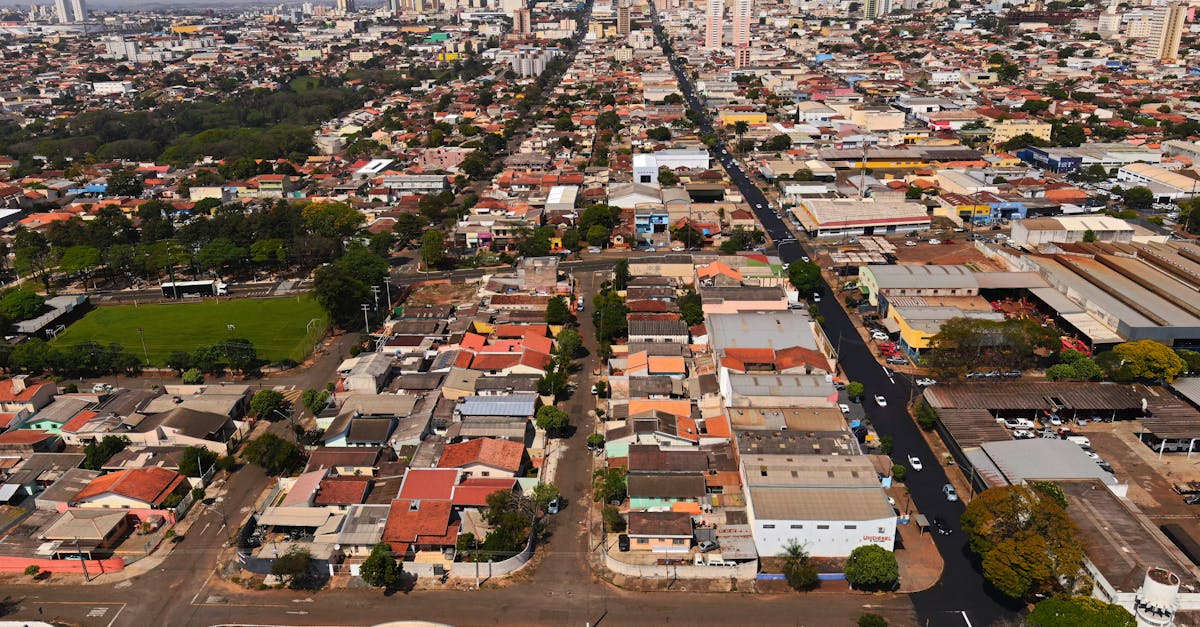
How does regional economic disparity shape American lives?
Understanding the differences in economic health across regions in the United States can illuminate why some communities struggle while others thrive. A combination of industry concentration, historical investments, and demographic factors plays a crucial role in this disparity.
Industry Concentration: The Engine of Regional Variation
The engine driving economic disparity is often the concentration of specific industries within different regions. For instance, the tech sector’s dominance in Silicon Valley has led to significant job creation, contributing to lower unemployment rates in California, which reported 4.1% in March 2026. In contrast, regions reliant on manufacturing, such as parts of the Midwest, have faced higher unemployment at around 4.6%.
- Economic dynamism in high-tech areas often attracts talent and investment, while regions without this advantage stagnate.
- Communities highly dependent on a single industry are vulnerable to shifts, as evidenced during economic downturns where job losses hit harder in areas lacking diversification.
Mechanisms of Disparity: Access and Investment
The mechanisms that perpetuate regional differences often include access to education, infrastructure investment, and financial resources. High-skilled jobs that fuel an area’s economic growth typically require a well-educated workforce. Regions like the Northeast, with robust educational universities and vocational training programs, boast skilled labor that meets the demands of evolving industries. Meanwhile, rural areas with limited access to education see a skills gap that inhibits growth, leading to persistent unemployment and underemployment issues.
Infrastructural disparities also exacerbate these economic divides. Regions lacking proper transportation systems struggle with trade and mobility, ultimately stunting growth. Investments from government and private sectors in infrastructure can catalyze economic revitalization. Conversely, areas with fewer investments continue to face deterioration in services, hindering job creation.
Real Impact on Households
The tangible effects of these disparities touch nearly every American’s life. As of March 2026, inflation sits at 2.4%, and while national adjustments in prices could create a sense of uniformity, regional wage growth does not align equally with inflation rates. For instance, households in high-growth tech hubs may experience higher wages that allow them to cope with rising costs, while families in stagnant regions face decreasing purchasing power, affecting their livelihoods.
This leads to broader social challenges:
- Increased migration from lower-opportunity areas to places with better prospects, resulting in demographic shifts.
- Strain on local resources in destination regions as they cope with an influx of new residents.
Navigating the Divide
Policymakers face a dual challenge: stimulating growth in lagging regions while managing the pressures on thriving areas. Targeted economic policies—focused on investment in education, infrastructure, and local industries—are essential for balanced growth. Recent developments suggest an emphasis on economic resilience in these policymaking endeavors.
What to watch:
The upcoming decisions from local state governments regarding infrastructural investments and educational opportunities may signal changes in regional dynamics. As demographics shift, tracking the migration trends and their effects on local economies will provide insight into the evolving landscape of American regional economies.