A Sunday Morning at the Johnsons
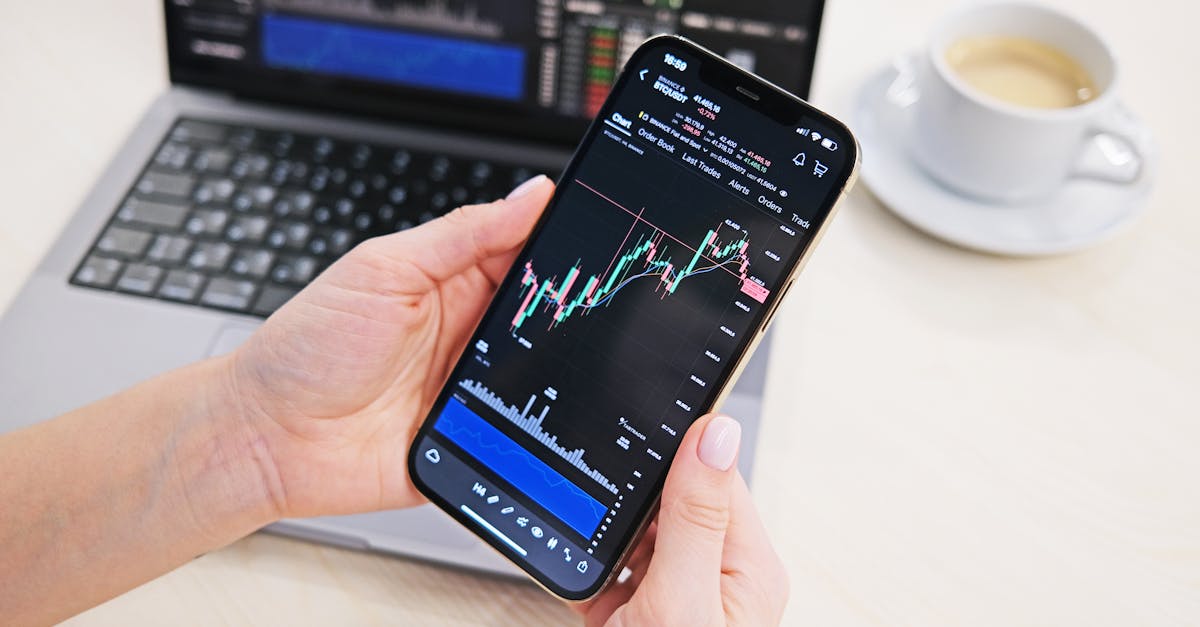
On a crisp Sunday morning in suburban Ohio, the Johnson family sits around the breakfast table. Lillian, a spirited 10-year-old, chats about her aspirations to own a bakery. Her parents, Sarah and Tom, exchange glances, their minds wandering to their own dreams and how the numbers on their stock portfolio might translate to Lillian’s future. Last year, they invested in a tech ETF, spurred by their belief in digital growth. As they sip coffee, Tom pulls out his phone to check their investments, hoping their $10,000 now worth a healthy $13,000 reflects a growth pattern that could further support Lillian’s education.
A Market Pulse
For the Johnsons, the fluctuations in the stock market act as a barometer for their financial wellbeing. As of early March, the unemployment rate holds steady at 4.3%, a reminder of the ongoing labor post-pandemic recovery; that’s about one in every 23 American workers who can’t find a job. With more individuals in work, consumer confidence rises. The stock market has been a wild ride. At the same time, inflation sits at 2.4%. While this number implies modest upward pressure on prices, it also suggests scope for wage growth, which in turn can fuel investment and consumption.
Imagine a household like the Johnsons opting to upgrade their home or sending Lillian to summer camps because they feel wealthier offset by stock prices. This surge in the stock market directly correlates with the consumer spending patterns observed in the economy, which is poised to affect everything from grocery bills to college tuition — even down to a child’s summer reading list.
The Broader Picture
Nationally, the past few years have seen a seismic shift in stock market resilience, reflecting not only investor sentiment but broader economic strategies. Consider that at an interest rate of 3.64%, borrowing becomes a double-edged sword. This rate, relatively low in historical terms, can spur families like the Johnsons to take on mortgages or personal loans, where previously they might have hesitated. However, it also indicates a cautious environment — the Fed’s positioning suggests an intent to stimulate growth without overheating the economy, a delicate balancing act that reverberates through stock performance.
With major indices rooting for a comeback, the S&P 500, for instance, nudged its way upward over recent trading sessions while factoring in inflation and interest rates’ pressures. In March alone, the index has shown resilience, making families feel almost buoyant, much like the Johnsons planning their first family trip in years.
Back to Breakfast
As the Johnsons finish breakfast, Sarah brings up their savings plan for a bakery one more time; she wants to know if they should go all-in. Tom contemplates their future and what the stock market’s upward trend means for their cash flow. After all, their financial comfort is directly tied to Santa Claus of the financial world — the stock market. They come back to the idea of investing more in Lillian’s education, channeling potential profit into her aspirations.
Even as uncertainties loom and economic indicators fluctuate, the story of the Johnsons exemplifies the tangible impact of stock market development on everyday lives. This backdrop reflects the broader narrative of American resilience, where families adjust their financial strategies based on the ebbs and flows of investment landscapes. Like waves on a shoreline, the stock market cradles hopes and dreams — and for families across the nation, it remains a key lifeline to their future.