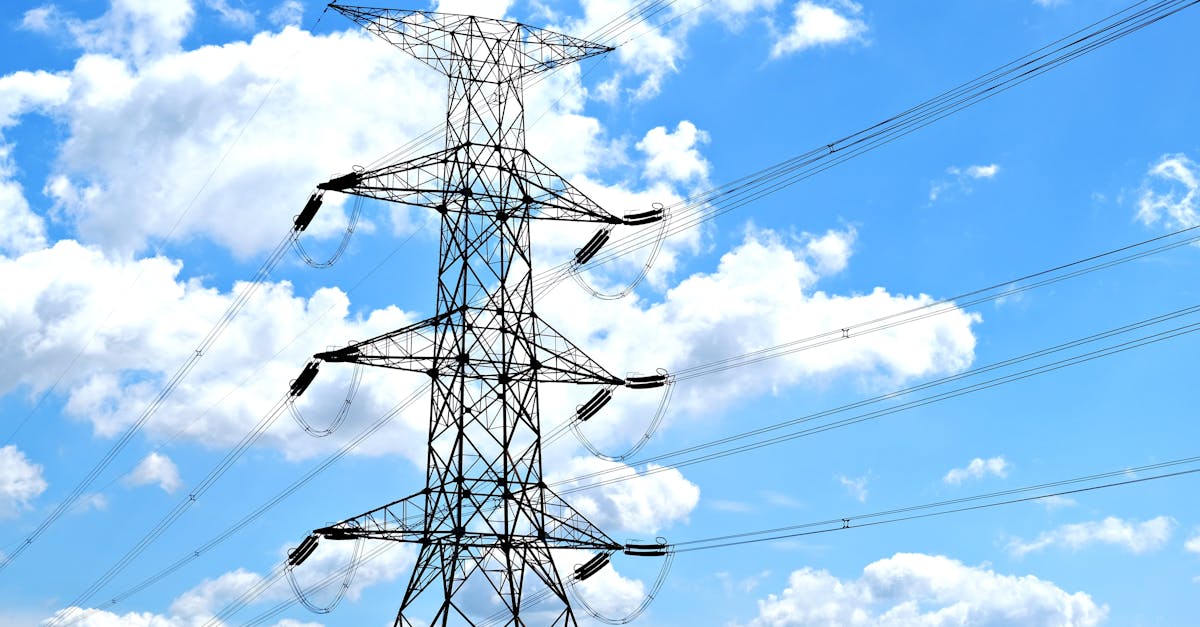
Eye-Popping Energy Costs
In March 2023, the U.S. saw a staggering year-over-year increase in energy prices of 6.5%, marking a sharp turn in the economic climate as households face tighter budgets and businesses grapple with rising operational costs. A significant contributor, electricity prices have jumped by 7.4% over the same period, according to data from the Bureau of Labor Statistics. This presents a stark contrast to the more stable electricity prices in other advanced economies, such as the European Union, where the uptick was a comparatively moderate 3.1%.
The Inflationary Ripple Effect
While inflation sits at a notable 3.3% across various sectors, energy costs—and particularly electricity—pose a unique challenge. Unlike general consumer goods, where inflationary pressures are more evenly distributed, energy surges can have multiplier effects across the entire economy. Industries relying heavily on power, like manufacturing and transportation, are scrambling to offset these costs, often resulting in price increases that cascade down to everyday consumers.
Regional Disparities in Energy Prices
Regional trends tell a compelling story as well. For instance, states heavily dependent on fossil fuels, such as those in the Midwest, are experiencing even steeper hikes—some exceeding a 10% increase in electricity costs. By contrast, regions investing in renewable energy sources are weathering the storm better; California, for example, has maintained relatively stable electricity prices due to its aggressive push towards solar and wind energy over the past decade.
A Global Context
Internationally, the U.S. isn’t alone in facing energy price volatility. According to the International Energy Agency (IEA), global energy prices surged roughly 8% in the last year, driven by geopolitical tensions and supply chain disruptions. However, American consumers are feeling the pinch more acutely as domestic energy prices are not only rising but also reflecting peculiar local market dynamics that vary from one state to another. For example, Alaska residents pay about 80% more for electricity compared to their counterparts in Texas, where the independent grid mitigates some volatility.
Future Scenarios on the Table
Looking forward, energy analysts are compelled to weigh the potential impacts of both climate policy shifts and evolving supply chains. With President Biden’s administration backing renewables as a primary focus, there’s optimism that long-term reliance on fossil fuels will wane, potentially stabilizing prices over the next few years. Still, the momentum hinges on technological advancements and collective consumer adaptation to new energy models.
The Federal Reserve has signaled its ongoing intent to monitor inflationary pressures closely, but the correlation between fluctuating energy prices and broader economic stability cannot be overstated. As the market evolves, so too will the challenges faced by American households. The question remains: will adaptation to renewable energy finally yield the stability sought after in the chaotic tides of energy pricing?