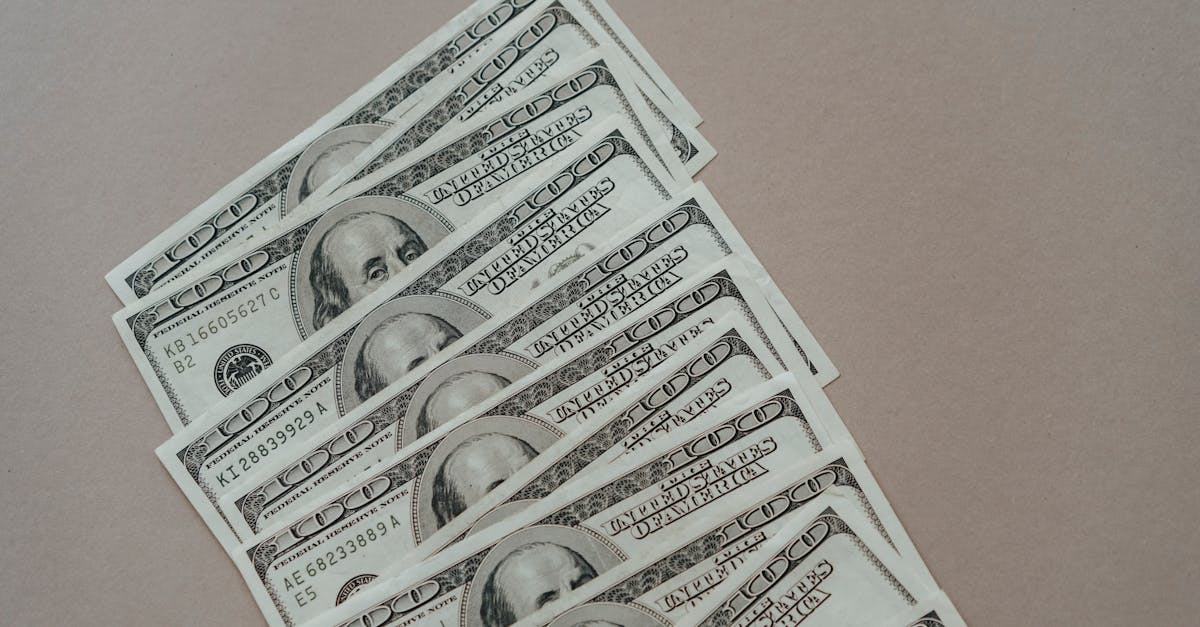
A Nation of Winners and Losers
Surprisingly, the wealthiest Americans have increased their fortune even amidst rising living costs and economic volatility. As inflation hovers at 3.8% and unemployment rests at 4.3%, the narrative would suggest a struggling middle class, yet financial data shows that income growth for high earners has significantly outpaced inflation and wage growth for lower-income brackets. According to data from the Federal Reserve, the top 10% of earners have secured over 50% of the income gains since 2012. Meanwhile, real wages for median earners have barely budged.
An Uneven Playing Field: Expectations vs. Reality
Many Americans entered this post-pandemic recovery with high hopes: improved wages, job security, and a stable economy were all on the horizon. Yet the reality has been starkly different. Since the beginning of 2023, overall wage growth has stagnated, with nominal wages increasing by only 1.9% while living costs continue to climb. This juxtaposition underscores the struggle of everyday workers trying to keep up with inflation.
Regionally, the disparities are even more pronounced. States like California and New York, with their booming tech and finance sectors, have witnessed a significant uplift in earnings. Conversely, in places like West Virginia and Mississippi, the stagnation or decline in wages has become a silent crisis. Is it possible to reconcile these divergent experiences within the same nation?
The Hidden Crisis: Unseen Voices
What isn’t making headlines is the alarming trend of workers falling into poverty despite having jobs. More than 19% of employed individuals do not earn enough to cover basic living expenses, a stat that beggars belief against the backdrop of a purportedly robust labor market. The ideal of the American Dream, where hard work translates into upward mobility, has fragmented for large swaths of the population. This disconnect points to a deeper issue: declining union participation and the transformation of the labor market that privileges certain sectors over others.
Wealth Concentration: A Global Perspective
As income inequality intensifies within the U.S., it begs comparison with other countries. Scandinavian nations, often lauded for their equitable wealth distribution, have an effective approach to taxation and social welfare systems that help mitigate disparities. In stark contrast, the U.S. tax system largely favors those at the top of the income scale. According to OECD statistics, the U.S. has one of the highest rates of income inequality among developed nations, suggesting that our system may be fundamentally flawed in promoting equitable growth.
Navigating the Fork: Where Do We Go From Here?
As policymakers grapple with these pressing issues, a decisive fork looms: Should we pursue policies that redistribute wealth through progressive taxation and expanded social programs, or does the focus remain on boosting economic growth with hopes of trickle-down effects? With the current interest rate at 3.63%, this tension is more pronounced, indicating that decisions made today could reverberate through the economy for generations to come.
What choice will drive the nation’s economic future—is it bridging the divide or exacerbating it? Only time will unveil the path the U.S. chooses to navigate its growing income inequality.