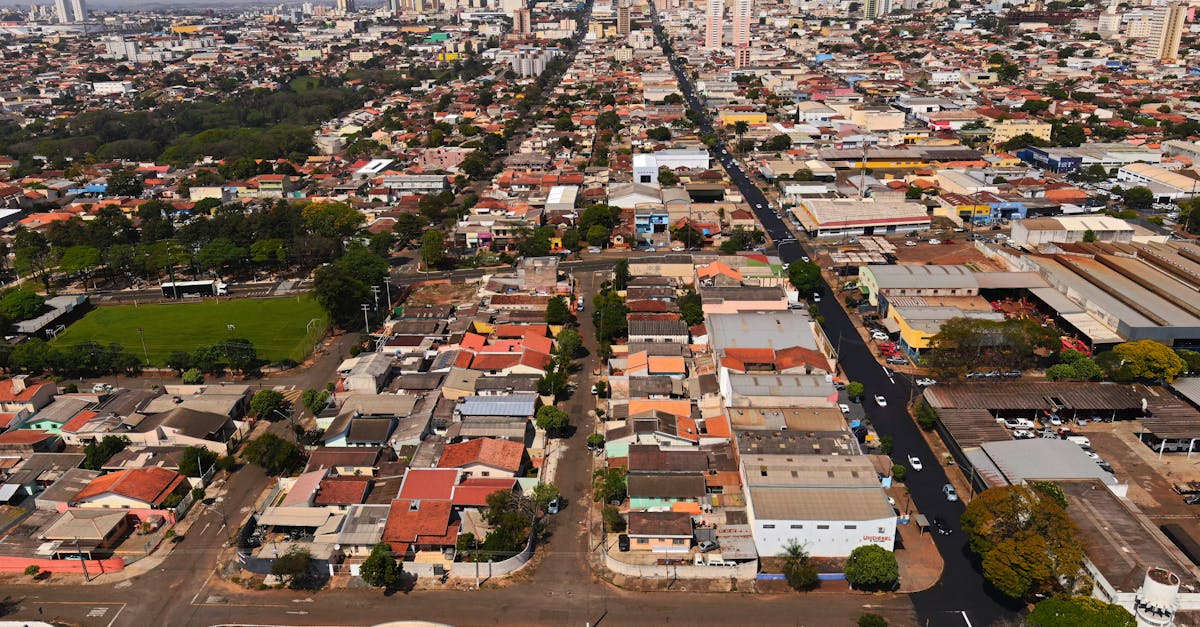
How Do Regional Factors Shape Economic Realities?
Why do some areas in the United States flourish economically while others languish? This question anchors the discussion around the stark regional economic differences that characterize the nation. A mosaic of factors — from industry focus to workforce skills — contribute to these disparities, directly affecting the lives of millions.
The Engine of Economic Migration
Economic opportunities often dictate where people choose to live and work. In regions where industries flourish, job growth surges, leading to increased wages and lower unemployment. For example, states with robust technology sectors like California have attracted talent and investment, while other regions lacking similar opportunities have seen population declines.
- California’s unemployment rate is at 4.7%, compared to 3.8% in Texas, where the energy and tech sectors are booming.
As job opportunities grow, the demand for housing increases. Consequently, cities like Austin, Texas, have experienced soaring real estate prices, pushing lower-income families to the outskirts or to other states entirely. Families are forced into competitive housing markets where affordability is rapidly diminishing.
Impact of Education and Skills Gap
The skill level of the workforce plays a crucial role in regional economic performance. Areas with higher educational attainment typically experience more robust economic growth. In contrast, regions with limited access to quality education and vocational training find themselves trapped in cycles of poverty.
Take West Virginia, for instance. A state rich in natural resources yet struggling economically, it faces challenges due in part to a lack of higher education and vocational training programs. The impact is visible:
- West Virginia’s 4.3% unemployment rate masks deeper issues related to underemployment and stagnant wages.
Residents are migrating to states with more opportunities for growth, creating a demographic crisis that exacerbates economic stagnation.
Inflation and Regional Resilience
Inflation, currently at 3.8%, further complicates these regional disparities. Areas with a strong economic base can absorb inflationary pressures better than those reliant on a single industry or with high unemployment. For instance:
- In states with diverse economies, such as New York, businesses can adjust prices while sustaining consumer trust.
- In contrast, smaller, rural areas find it tougher to maintain purchasing power, straining household budgets even more.
This disparity not only affects purchasing decisions but also the overall quality of life. Lower-income families are disproportionately affected as they spend a larger share of their income on essentials, creating a more significant pinch from rising prices.
Interest Rates as a Regional Differentiator
Interest rates also accentuate economic divides. With the current interest rate set at 3.64%, borrowing costs vary dramatically across regions and sectors. In metropolitan areas with vibrant economies, businesses are likely to invest despite higher costs.
Conversely, rural areas struggle to attract capital investment when interest rates rise. The reluctance of banks to lend to small businesses in these areas exacerbates challenges, preventing local growth from taking off.
What to Watch
As we look ahead, the interplay of regional disparities demands attention. Policymakers must craft strategies that address skill gaps, investment in education, and support local economies while considering the broader implications of inflation and interest rates. The promotion of economic diversity in struggling areas will be critical for bridging the gap and ensuring that all regions have the opportunity to flourish in a continuously changing economy.