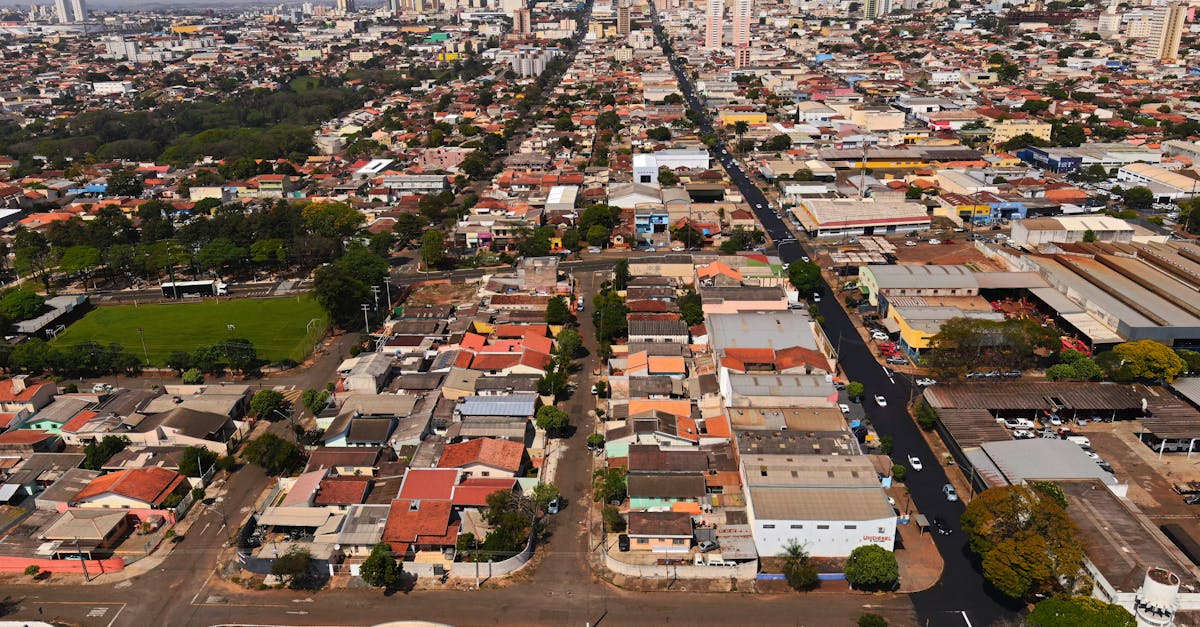
How do regional economic differences shape daily life?
Behind the numbers of national statistics, the everyday experiences of Americans vary dramatically across regions. This disparity raises critical questions: How does inflation interact with regional growth patterns? Why does unemployment differ from one state to another despite a unified national policy? Understanding these dynamics is essential to grasping the economic reality faced by individuals in different locales.
Cause → Mechanism → Effect
Cause: Economic policies often favor specific sectors or industries based on geographic advantages. For instance, technology thrives in Silicon Valley due to its concentration of innovation and venture capital, while agriculture dominates in the Midwest due to fertile plains and established supply chains.
Mechanism: This industry concentration leads to divergent job markets and wage structures. Regions with high-tech industries see increased demand for skilled labor, pushing wages up. Conversely, areas dependent on agriculture or manufacturing may face stagnant wages due to global competition and lower investment.
Effect on Real People: The economic climate affects not just income levels but overall quality of life. For example, individuals in high-growth areas often enjoy thriving local economies, evidenced by robust housing markets and low unemployment rates. By contrast, those in regions like Appalachia, where traditional industries have dwindled, are confronted with stagnant wages and higher unemployment. These disparities can lead to tangible differences in education resources, healthcare access, and investment in public services.
Key Figures that Illustrate the Disparity
- National inflation rate: 3.8% as of April 2026
- National unemployment rate: 4.3% as of April 2026
- Federal interest rate: 3.63% as of May 2026
Areas of Substantial Impact
Consider the impact of inflation on different economic landscapes. Higher inflation rates can erode purchasing power, but the effects vary widely:
- In regions where wages have kept pace with inflation, consumers feel secure in their spending.
- Alternatively, in areas struggling with high unemployment, even modest inflation can significantly squeeze finances, forcing families to tighten their budgets and potentially leading to greater economic strain.
In the tech-centric West, businesses may easily pass on higher costs to consumers, while in the rural South, price increases for essential goods can be crippling, as residents already face economic precarity.
The Unemployment Puzzle
A closer examination of the labor markets reveals a more profound complexity. The national unemployment rate of 4.3% masks significant regional variation. For instance:
- Some urban centers boast low unemployment figures due to booming job growth in sectors like healthcare and technology.
- In contrast, more rural or economically stagnant regions grapple with unemployment rates soaring above national averages, further perpetuating cycles of poverty and limited opportunities.
What to Watch
Looking ahead, one key area to monitor is the Federal Reserve’s interest rate policy. With a current rate at 3.63%, any shifts in monetary policy in response to inflation could either provide relief or add pressure to vulnerable regions. The potential for widening disparities looms large as differing regional economic conditions respond unevenly to these changes. The interaction between interest rates and local economies will likely dictate not only business investment but also the economic vitality of communities nationwide. As some regions adapt and thrive, others may find themselves left behind, necessitating close attention to how these dynamics unfold.