The latest data reveals that U.S. consumer spending surged to $15.3 trillion in the last quarter, marking a remarkable 9% increase compared to the same quarter last year. This number underscores a robust recovery in the American economy, given that personal consumption expenditures account for about two-thirds of the nation’s GDP.
Despite an easing inflation rate, sitting at 2.4% as of early 2026, real consumer spending has faced an array of challenges; notably, rising interest rates have begun to stress household budgets. The Federal Reserve’s aggressive policy shifts, including holding short-term rates above 5%, aim to curb this inflation, creating a complex environment where consumers are simultaneously feeling more confident yet constrained.
The increase in spending has been buoyed largely by discretionary categories such as restaurants, entertainment, and online retail—sectors enjoying a resurgence as pandemic fears fade. The Bureau of Economic Analysis shows that spending on services rose by over 6%, while durable goods, a category often influenced by interest rates, has stagnated, signaling shifting priorities amid inflationary pressures.
For the average American, being aware of these trends can empower better financial decisions. With ongoing wage growth—averaging about 4% year-on-year—wages are outpacing inflation in real terms for many workers. However, that relief is tempered by higher costs on necessities; energy prices, for example, rose by more than 3% in January alone.
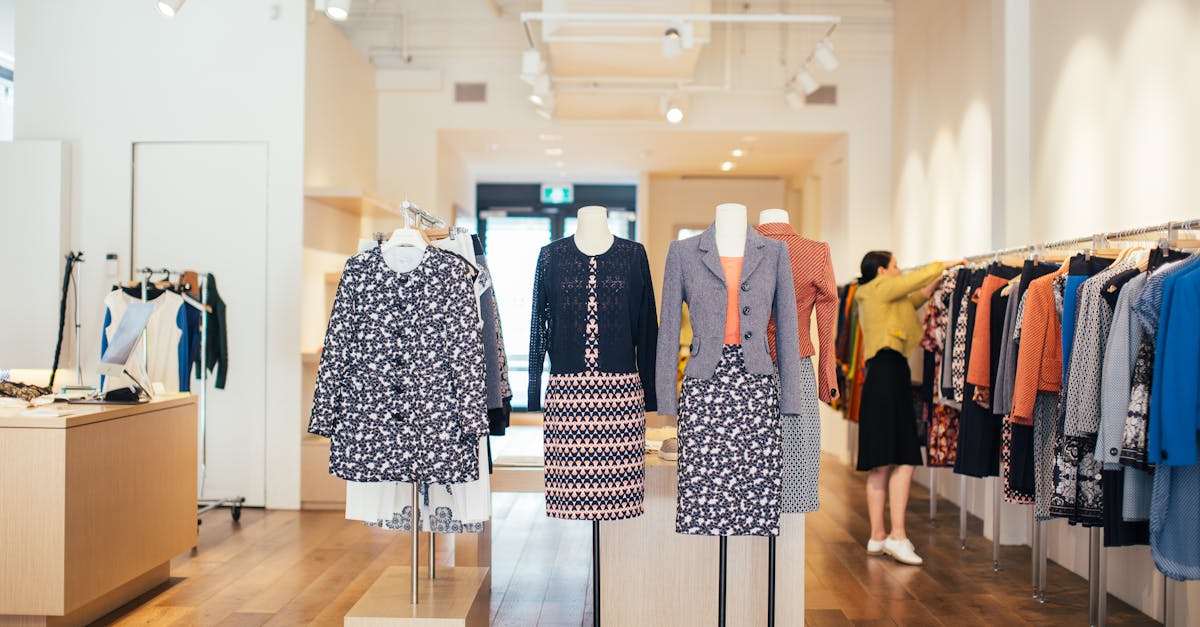
The story in retail is mixed. Chain store sales reflect a solid year-over-year uptick, yet there’s a noticeable pivot to value-oriented shopping—a direct response to consumers’ budgetary considerations. Furniture and home improvement sales have dipped, while apparel and discount stores are thriving, indicating a psychological tug-of-war between desire and budget.
Looking at the credit landscape, consumers are leaning on credit cards with revolving debt climbing to a staggering $1.17 trillion. This reliance points to a potential worry; if rates continue to rise, the costs of servicing this debt could hinder consumer spending moving forward. Each swipe signals both a commitment to maintaining spending levels and increasing susceptibility to interest rates, making the upcoming months critical.
While confidence in the economy is rising, it hangs by a thread. Shoppers are balancing their enthusiasm for spending against the reality of tighter financial constraints. The interplay of rising interest rates, shifting consumer priorities, and inflation will shape the landscape and determine if consumers can, and will, keep spending as enthusiastically as they have in recent months. As households adjust their purchasing behaviors, the broader economy hinges on whether this spending spree can be sustained—or whether consumers will retreat into tighter, more prudent financial habits.