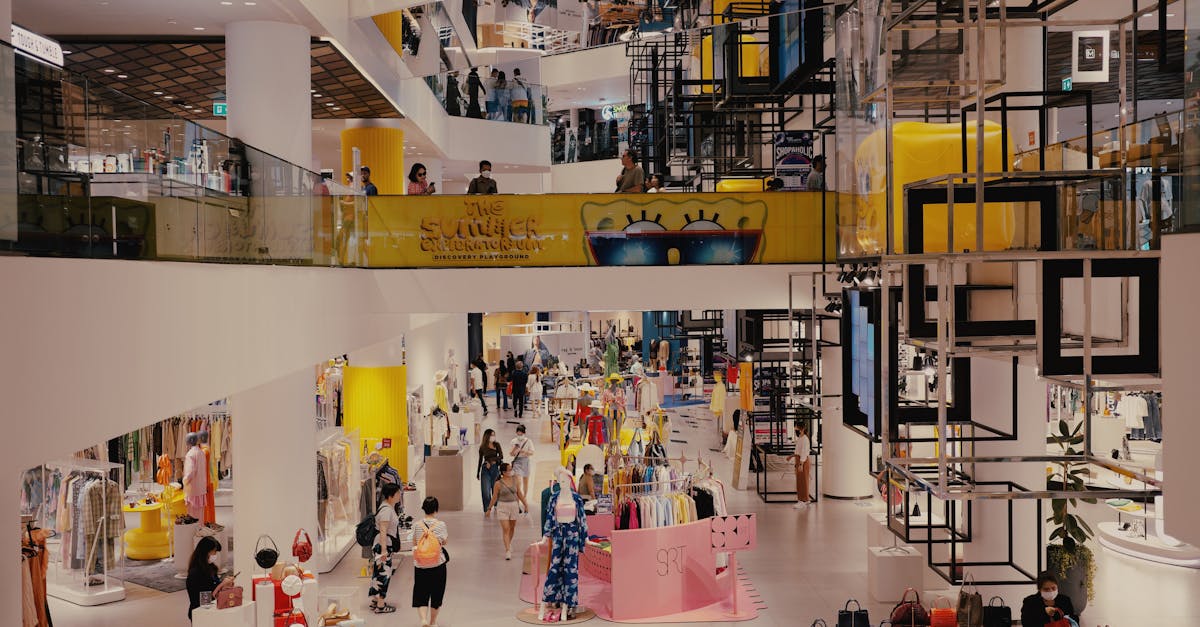
Consumer spending soared to an astounding $17.0 trillion in the most recent quarter, accounting for nearly 70% of the U.S. economy. This staggering figure highlights not only the resilience of American consumers but also the significant impact of their spending on overall economic health during a time marked by rising inflation.
Since the onset of 2023, inflation has settled at 3.3%, prompting many to rethink their spending habits. While essential goods such as food and energy continue to feel the pinch of price increases, discretionary spending has managed to hold relatively steady. Americans are prioritizing experiences over material goods, with categories like travel and dining out seeing a notable recovery post-pandemic.
The latest consumer spending data indicates a pivotal shift. Spending on services, which has been the primary driver of growth, surged by 4.0% in March alone. Goods, in contrast, only saw a marginal increase of 0.5%. This shift signifies a growing confidence in sectors hit hardest during the pandemic while suggesting that many consumers are willing to part with their cash for leisure activities, even amid persistent inflation.
What does this bold spending reveal about consumer sentiment? With wages rising at a similar pace, up approximately 4.7% year-over-year, Americans seem to feel secure enough to spend despite the lurking specter of inflation. The personal savings rate, however, dipped to 4.4%, down from an already low 5.0%, as households seek fulfillment in experiences rather than savings. This behavior is indicative of a generation eager to reclaim lost time, showing that consumer habits are evolving amidst economic pressures.
The disproportionate impact of inflation on lower-income households continues to paint a mixed picture. While wealthier households can afford to maintain their spending levels, the lower-income demographic may find themselves more constrained, focusing on essentials rather than discretionary items. This divide can create lasting economic consequences, casting shadows on overall growth and stability.
Analysts also point to the Federal Reserve’s cautious approach to interest rates, which could be impacted by consumer behavior. As labor markets remain tight, with unemployment holding steady at 3.8%, there is an expectation that sustained consumer spending could lead the Fed to adopt a more aggressive stance towards rate hikes, aiming to stave off inflation’s grip.
Ultimately, consumer spending remains the cornerstone upon which economic growth is built. With inflation reshaping priorities and behaviors, how families navigate this evolving landscape will be critical. The economic fabric of the nation will likely hinge on whether consumers will continue to open their wallets, signaling confidence or caution as they forge ahead in uncertain times.