A Number That Matters: $15.69 Trillion
The U.S. consumer spending inched up to a striking $15.69 trillion, marking a crucial aspect of an economy still grappling with the consequences of inflation. This represents a 3.3% increase from the previous year, according to the Bureau of Economic Analysis, fueling nearly two-thirds of GDP growth. In a climate where prices are climbing steadily, consumer behavior serves as a litmus test for economic health and stability.
Underneath the Surface of Growth
Diving beneath the headline figure unveils a more intricate story. Households are adjusting their spending habits in response to rising inflation, which has tightened their budgets. The latest Consumer Price Index from the Bureau of Labor Statistics indicates a 3.3% increase in prices across the board, affecting everyday expenses like groceries and utilities. As wages rise only marginally, consumers are feeling the pinch—leading to an increase in reliance on credit and, in some cases, a dip in discretionary spending.
The Shift in Spending Patterns
A closer look at the categories reveals divergent trends. While overall spending rose, spending on durable goods such as automobiles has softened, down by 1.2% as consumers opt for more affordable alternatives. Conversely, services spending surged by 5.1%, reflecting pent-up demand for experiences and personal care following pandemic restrictions. This crucial shift indicates that while households may be cautious with their wallets, they are still willing to invest in services that enhance their quality of life.
What This Means for Small Businesses
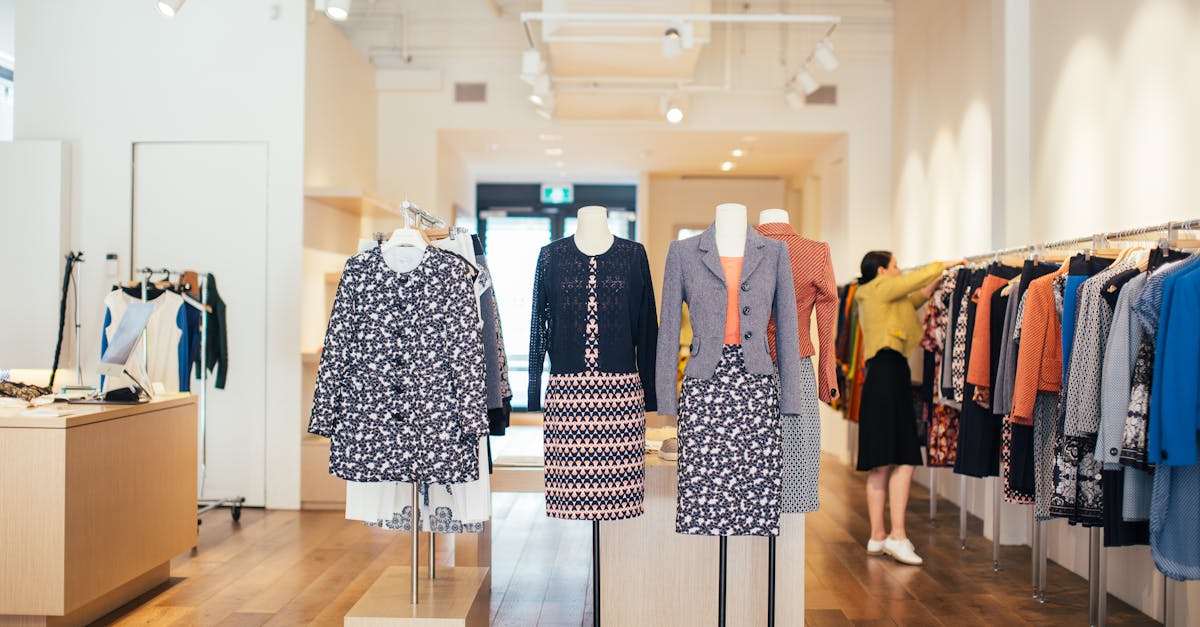
For small businesses reliant on consumer foot traffic, the current climate poses a challenge. With inflation taking its toll, shoppers are more discreet about what they purchase. As seen in a recent poll, 60% of consumers report planning to cut back on non-essential items. For independent retailers and service providers, adapting offers to capture this more frugal mindset could mean the difference between resilience and closure in the coming months.
Future Spending: A Balancing Act
Consumer sentiment, as reported in the University of Michigan’s Consumer Sentiment Index, shows a cautiously optimistic viewpoint, sitting at 66.4. Many households are engaged in a balancing act, attempting to manage their budgets while also seeking enjoyment in their lifestyle choices. However, with the Federal Reserve targeting a steady inflation rate, households may feel economic pressure if price increases persist.
The Financial Landscape Ahead
The environment for consumers remains complex, blending resilience with caution. The numbers suggest that while spending is up, the looming specter of inflation may keep consumers on high alert. With interest rates held steady, how these trends unfold could influence household decisions in the months to come.
As consumers navigate this landscape, their actions will weave the fabric of the economy—what they choose to spend on, cutting back where necessary, will continue to shape economic forecasts and policy decisions.