Consumer Spending Shows Resilience Amid Rising Costs
$1.2 trillion—the amount U.S. consumers spent in March alone, according to the Bureau of Economic Analysis. This figure sheds light on not just the sheer volume of transactions but also the stubborn resilience of consumer behavior in the face of rising costs and a lingering inflation rate of 3.3%.
American households are grappling with an economy that combines robust spending with persistent inflation. Compared to previous months, March’s retail sales marked a notable increase of 0.5%, a testament to consumers’ willingness to engage in the market despite rising prices.
Essential Purchases in Demand
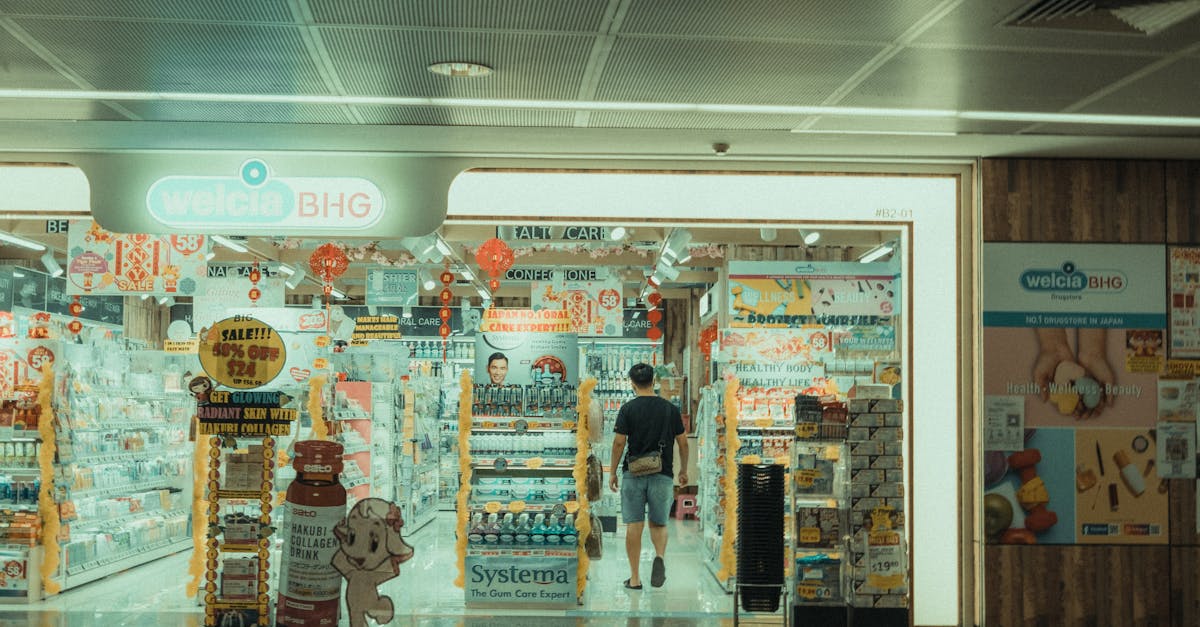
The current spending landscape reveals a shift in consumer priorities. Spending on essential goods such as groceries, household supplies, and healthcare has surged, with expenditures in grocery stores rising by 1.0%—the steepest jump since fall 2023, according to the Bureau of Labor Statistics. This trend underscores a growing necessity among consumers to safeguard their health and home, notably in inflationary times when discretionary spending typically takes a backseat.
Impact on Retail and Services
The consumer pivot is reshaping the retail and service sectors, as businesses adapt to changing demands. Companies focusing on essential products are likely thriving, riding the wave of necessity-driven spending. Conversely, those dependent on discretionary goods—like luxury retailers—may find themselves scrambling to maintain profitability. Recent trends indicate a cautious approach among consumers toward non-essential products, a natural reaction to economic conditions.
Navigating Inflationary Pressures
Inflation remains a key player in consumer decision-making. With the cost of living rising 3.3%, households are reevaluating their budgets and prioritizing essential versus non-essential spending. Banks and market analysts are closely monitoring how adjustments in consumer spending could dictate economic recovery moving forward.
A Broader Economic Impact
The resilience in consumer spending has implications that extend beyond individual households. Strong spending figures can propel economic growth, influencing GDP and employment metrics positively. Yet, the Fed is likely to maintain a cautious stance on interest rates, weighing the delicate balance between curbing inflation and fostering economic stability. A careful navigation of these elements could determine the trajectory for various sectors in the economy.
The Human Element
For many consumers, the changing economic landscape forces an uncomfortable balance between desire and necessity. Households are learning to adapt—finding creative ways to maintain their lifestyles while being more deliberate about spending choices. This adaptation goes beyond dollars and cents; it’s a reflection of societal resilience in the face of economic adversity.
As consumers continue to prioritize essentials over luxuries, the repercussions on the broader economy will unfold, revealing what long-term changes might take hold. The future of consumer habits could redefine spending norms, suggesting a shift towards more sustainable and mindful consumption. The journey for American households is far from over, as they navigate inflation and its impact on daily expenses.