Consumer Spending Shifts Amid Inflation Pressures
The average American is spending an astonishing $93,000 annually, according to the Bureau of Economic Analysis, a figure that’s creeping upward as inflation continues to impact everyday expenses. This spending surge, coupled with inflation at 3.8% as reported by the Bureau of Labor Statistics, illustrates a landscape where households are grappling with growing costs while trying to maintain their lifestyles.
To frame this reality, consider that despite wage growth averaging about 4% recently, the purchasing power of consumers is increasingly challenged. With essential goods like food and energy seeing steeper price increases, families are being pushed to re-evaluate their discretionary spending habits. In March, for instance, food prices rose by 0.3% while energy costs skyrocketed by nearly 7% year-over-year, intensely squeezing household budgets.
The Shift in Consumer Priorities
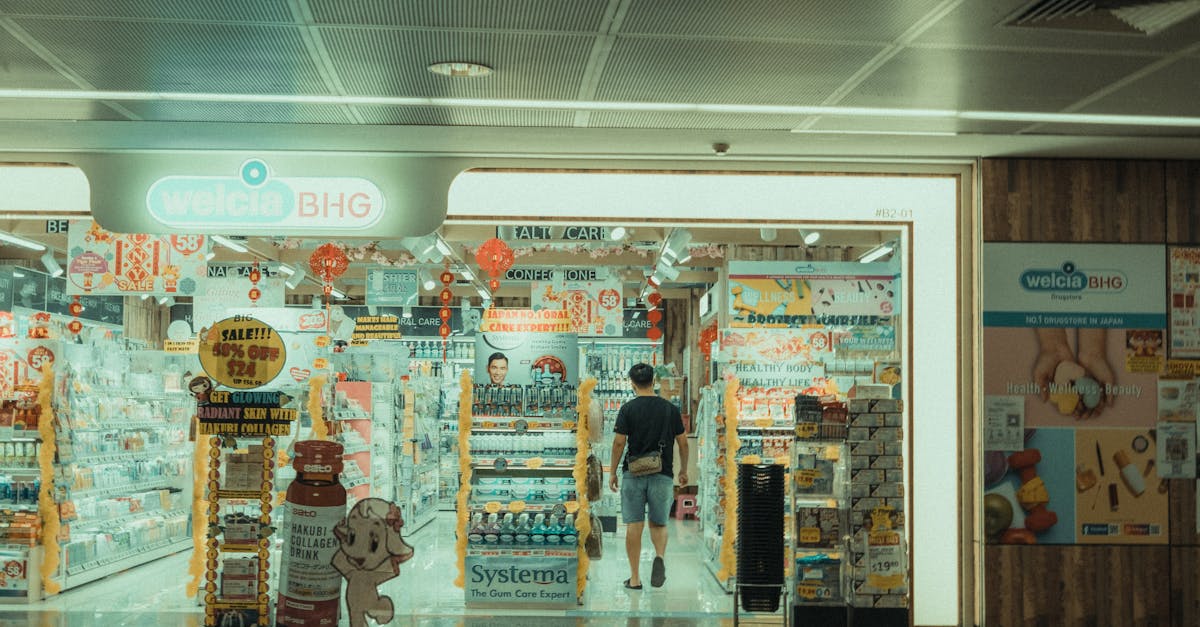
As inflation reshapes spending patterns, a notable pivot toward essentials is evident. Retail sectors focused on necessities, such as groceries and personal care products, have outperformed luxury markets. The Mastercard SpendingPulse further reveals that everyday purchases dominated consumer habits, with grocery spending rising 12% over the past year, while non-durable goods lagged.
Such changes mean retailers must adapt to a more frugal customer base. Big-box stores are increasingly focusing on value offerings while small local businesses are competing by emphasizing quality and local sourcing. Despite the pressure, consumer confidence remains relatively stable, at about 95 on the Index of Consumer Sentiment. This resilience hints at an enduring optimism, yet it underscores the delicate balance shoppers face.
Measuring the Impact on Households
What does this mean for the everyday American? With a significant portion of income redirected to necessities, more families are budgeting meticulously and even cutting back on non-essential items. Reports indicate that discretionary spending on hobbies and entertainment has decreased by roughly 5% since the inflationary spike began.
Individuals are also increasingly relying on savings and credit to bridge the gaps created by rising prices. According to the Federal Reserve, household savings rates have dipped to 4.6%, indicating that while consumers may still be spending, the cushion of savings is quickly wearing thin. Financial analysts warn that this trend could spell trouble if inflation persists, as households might find themselves with fewer resources to tap into.
The Financial Landscape Ahead
As inflation shows no signs of receding, understanding its grip on consumer spending will be crucial for businesses and households alike. Economic forecasts suggest that another rate hike from the Federal Reserve might be necessary to curb inflation, allowing room for spending to potentially stabilize in the long run.
Consumers may need to remain vigilant, adjusting their financial strategies to navigate a landscape that could fluctuate with continued economic pressures. With 2024 approaching, each month will bring with it new data and countless decisions, marking the ongoing journey of consumer adaptation in an ever-evolving economy.