Consumer spending surged by 3.6% in the latest report from the Bureau of Economic Analysis, demonstrating a robust appetite for goods and services even in the face of ongoing inflation pressures. This surge represents a significant shift as the economy adjusts to changing consumer behaviors and price dynamics, indicating resilience among U.S. households.
Despite inflation holding steady at 2.4%, as reported by the Bureau of Labor Statistics, consumer willingness to spend reflects a broader trend of economic confidence. The sustained increase in spending, driven by wage growth and labor market stability, suggests that Americans are navigating their finances with a positive outlook, even when prices continue to edge upward.
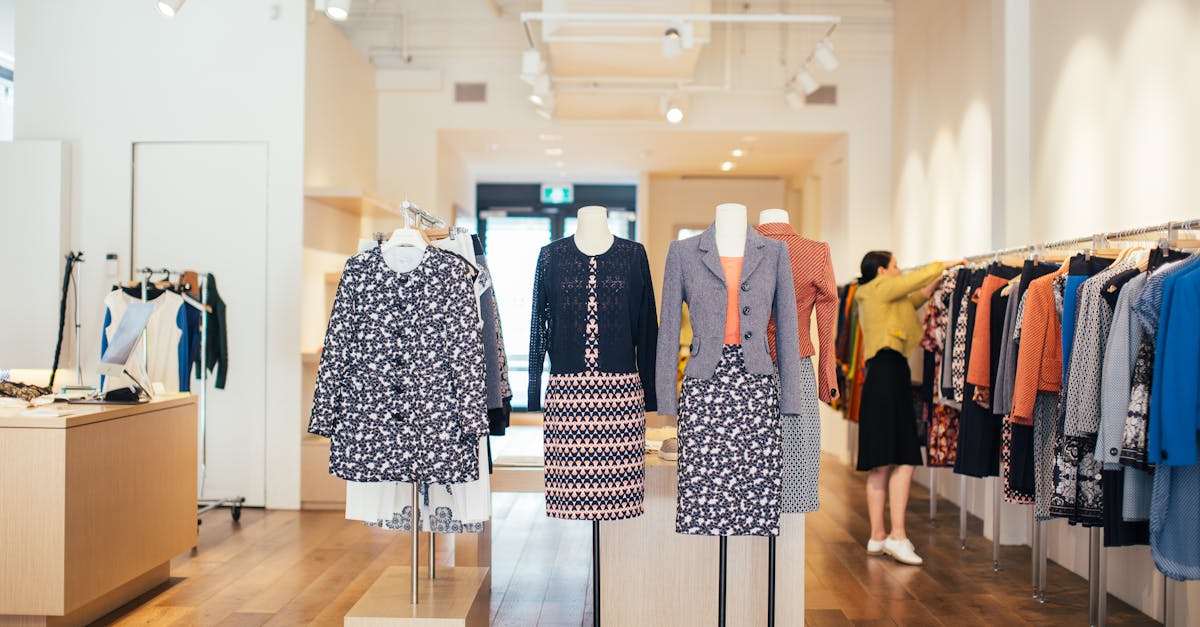
More granularly, the data indicate a 4.2% rise in durable goods spending, signaling that Americans are investing in long-lasting items even as they keep an eye on their wallets. Conversely, spending in areas like clothing and footwear grew at a more modest pace of 2.8%, suggesting differentiation in consumer confidence across sectors. Where essentials like groceries show inflation-induced growth, discretionary items may be more vulnerable to shifts in economic sentiment.
Digging deeper into specific expenditures reveals further nuances: online retail sales climbed by 5.1% over the last quarter, showcasing a sustained shift toward digital shopping experiences. This aligns with the broader trend of e-commerce spurred by convenience and shifting consumer habits during earlier pandemic years, solidifying its place in the shopping ecosystem.
Importantly, households are not just responding to immediate needs; they are also planning for the longer term. The surge in consumer spending coincides with rising savings rates, which registered at 11.3%. This suggests many are wisely balancing spending with saving, preparing for potential economic uncertainties that may lie ahead.
While the immediate implications of these spending patterns point to increased economic activity, they also bring challenges for the Federal Reserve. As consumer demand continues to outpace supply in certain areas, there may be pressure to adjust interest rates to curb inflation, adding complexity for policymakers. Higher rates could dampen borrowing and spending in the long run, forcing a recalibration of consumer habits.
For individuals, this evolving landscape means being more intentional with their spending choices. As essential goods become pricier and discretionary items face softer demand, the balancing act between splurging and saving will be key. Understanding these trends can empower consumers to make informed decisions in their purchasing.
What comes next hinges on the Fed’s response to continuing inflation and how that influences consumer sentiment. As U.S. households navigate this intricate balance, the interplay between spending and saving will shape the economic landscape in the months ahead.