Consumer spending plummeted to $16.7 trillion in recent months, a stark reminder that households are navigating an increasingly precarious financial landscape. This represents a significant shift for an economy traditionally driven by the purchasing power of its citizens, raising questions about sustainability in the face of rising prices and shrinking disposable income.
At the macro level, a 3.8% inflation rate severely undercuts any gains in wage growth, squeezing budgets tighter than ever. According to the Bureau of Labor Statistics, while average hourly earnings increased by a nominal 4.5%, real wages have effectively stagnated, as the cost of essentials continues to erode purchasing power. This disconnect means that the typical consumer is facing a moment of truth: continued spending without a corresponding increase in financial security.
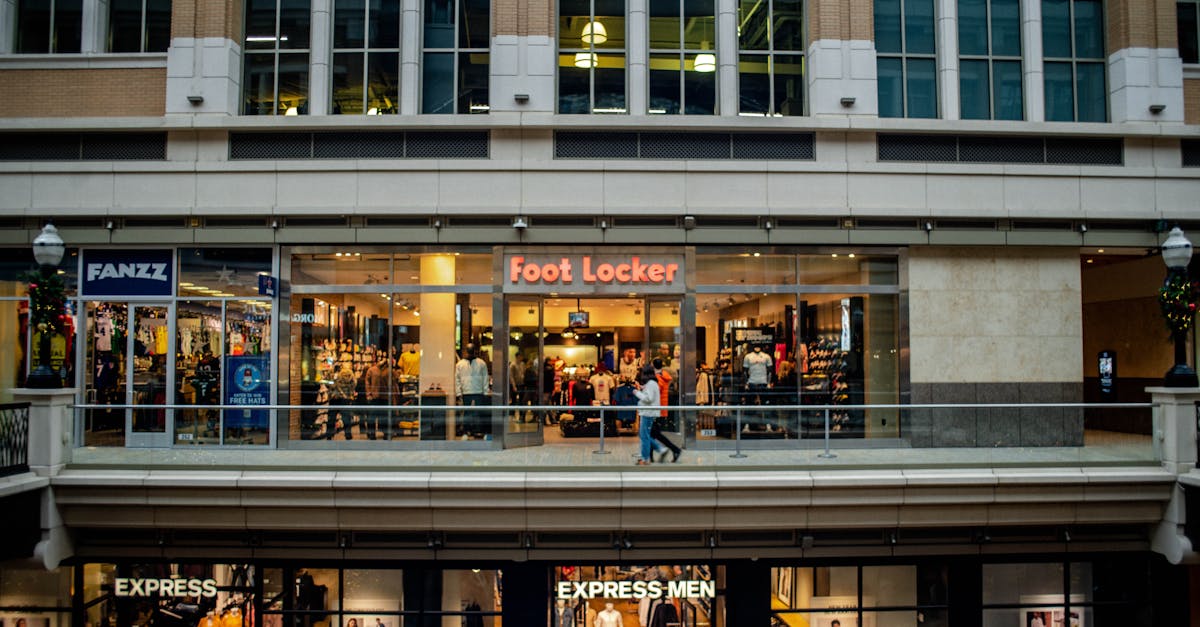
The retail sector feels the pressure acutely. In April, overall retail sales dipped by 0.7%, primarily driven by a notable decline in discretionary spending categories such as clothing and electronics. Data from the Federal Reserve indicates that while essential goods have remained stable, the allure of luxury purchases has waned. This shift signals a cautious consumer approach as households prioritize rent, utility bills, and food over luxury items, highlighting an economy increasingly bifurcated between necessities and non-essentials.
What does this mean for the everyday American? For the first time in years, consumers are likely feeling the strain of making choices between basic needs and wants. Many are skipping meals or opting for budget-brand products in grocery stores, reflecting a move towards frugality that hasn’t been seen on such a scale in decades. This behavioral shift fundamentally changes shopping patterns and has an immediate impact on various sectors, with grocery chains and discount retailers perhaps seeing a surge as consumers seek value over brand loyalty.
Moreover, credit card debt has surged to record levels, surpassing $1 trillion, as households resort to borrowing to sustain spending on essentials. This reliance on credit suggests a precarious framing for many households, where high-interest debt complicates monthly budgeting and could lead to a cyclical financial struggle. According to data from the Federal Reserve, delinquency rates are showing signs of creeping upward, a troubling indicator for future consumer confidence and spending power.
Against this backdrop, businesses are forced to adapt swiftly. Companies are finding innovative ways to engage consumers, such as introducing subscription services, loyalty programs, and budget-friendly options designed to retain customers. However, this rapidly changing environment calls into question how sustainable these strategies are amidst such unpredictable consumer behavior and economic conditions.
What’s next in this complex consumer landscape? As inflationary pressures continue, companies and households alike will need to rethink their strategies to navigate what could become a prolonged period of financial uncertainty.