A Jaw-Dropping $15.56 Trillion
U.S. consumer spending hit a staggering $15.56 trillion in recent months, making up nearly 70% of the nation’s Gross Domestic Product (GDP). This degree of spending highlights the American economy’s dependence on consumption as its primary engine, underscoring the behavioral adjustments consumers are making amid persistent inflation rates, currently at 3.8%.
Inflation’s Grip Tightens
To contextualize these spending figures, consider that even with robust spending, consumers are grappling to keep up with rising prices. In April, inflation has taken a noticeable toll on discretionary spending. Essentials, including food and energy, have escalated, leading to a more cautious approach towards non-essential purchases.
Behavioral Shifts in Spending
As inflation looms, the composition of consumer expenditures has begun to shift. Spending on goods has notably decreased as households pivot toward services like healthcare and entertainment. For instance, there was a decline of about 1.2% in pet care and electronics spending, suggesting that discretionary shrinking could be the new normal.
The Ripple Effect on Retail
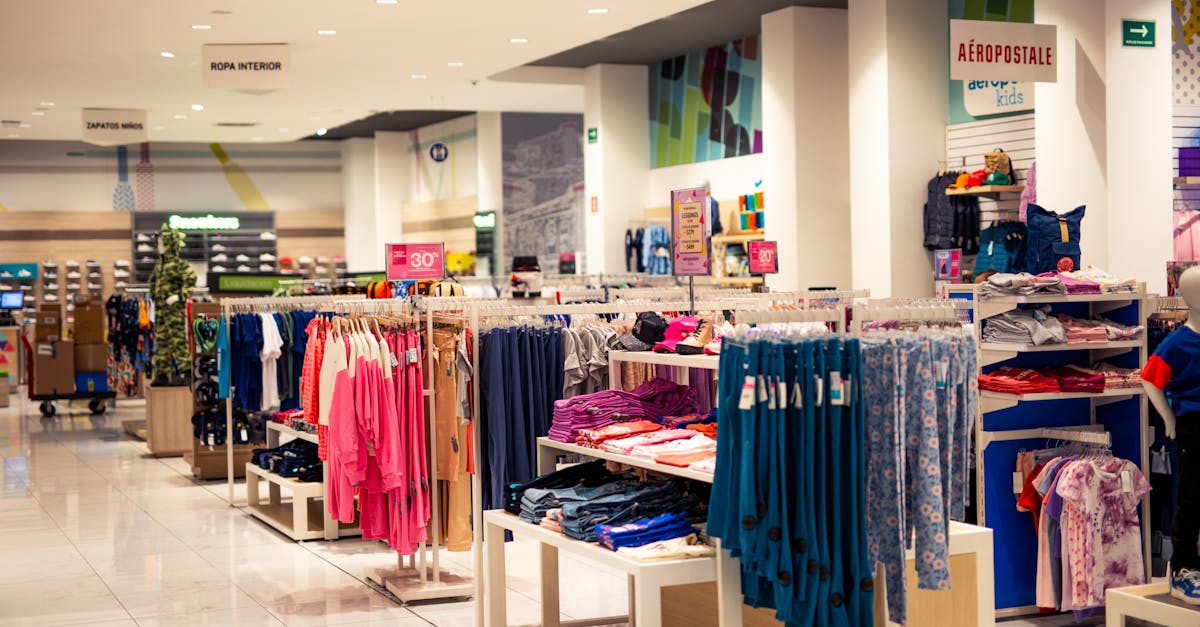
Retailers are responding to these adjustments in consumer behavior. Chains are now more reliant on discounts to entice shoppers back into stores, with reports of markdowns increasing by 10% year-over-year. This shift illustrates not only an immediate response to changing consumer priorities but also the increased competition to capture a shrinking share of increasingly cautious wallets.
Data-Driven Insights: The Consumer Price Index
The Consumer Price Index has signaled changing dynamics, where prices for miscellaneous goods spiked by 4% year-over-year. For consumers, this translates into heightened grocery bills and rising transportation costs, compelling some to reassess their budgets. Shoppers are leaning towards brands perceived as offering better value – a clear indication of inflation’s pervasive influence.
Implications for Economic Growth
The interplay between inflation and spending casts a long shadow over economic projections. A slowing rate of consumer spending is anticipated, which could impact GDP growth forecasts. Analysts predict an adjustment in growth targets, from an optimistic 3% to a more tempered 2.5%, which would affect everything from corporate investment to employment rates.
What You Might Feel in Your Wallet
In practical terms, the average American might notice a tightening of their budgets. Food purchases are expected to cost about 6% more this year, diverting funds that might have gone to leisure activities or larger investment purchases, such as home renovations. This calculated shift underscores a more frugal mindset, as every dollar is stretched further in an environment of unpredictability.
The Path Forward
While Americans have historically shown resilience in the face of economic challenges, current trends reflect a growing need for adaptability. As consumer spending plays a pivotal role in economic recovery, how households adjust their spending habits could be the decisive factor in navigating the inflationary landscape ahead.