The latest data shows that consumer spending in the United States has risen by more than $11 trillion annually, a staggering figure that underpins nearly 70% of the nation’s overall economic activity. This colossal number places unprecedented pressure on households and retailers as they navigate the complexities of current inflation rates, which, as reported by the Bureau of Labor Statistics, registered at 4.2% in May 2026.
With inflation outpacing wage growth, many households are opting for cutbacks, resulting in shifts in consumption patterns. For instance, while spending on essentials like food and housing remains largely inelastic, discretionary spending has taken a hit. Recent reports indicate a notable decline in expenditures on durable goods, such as vehicles and electronics, as consumers consciously adjust their budgets to account for rising prices.
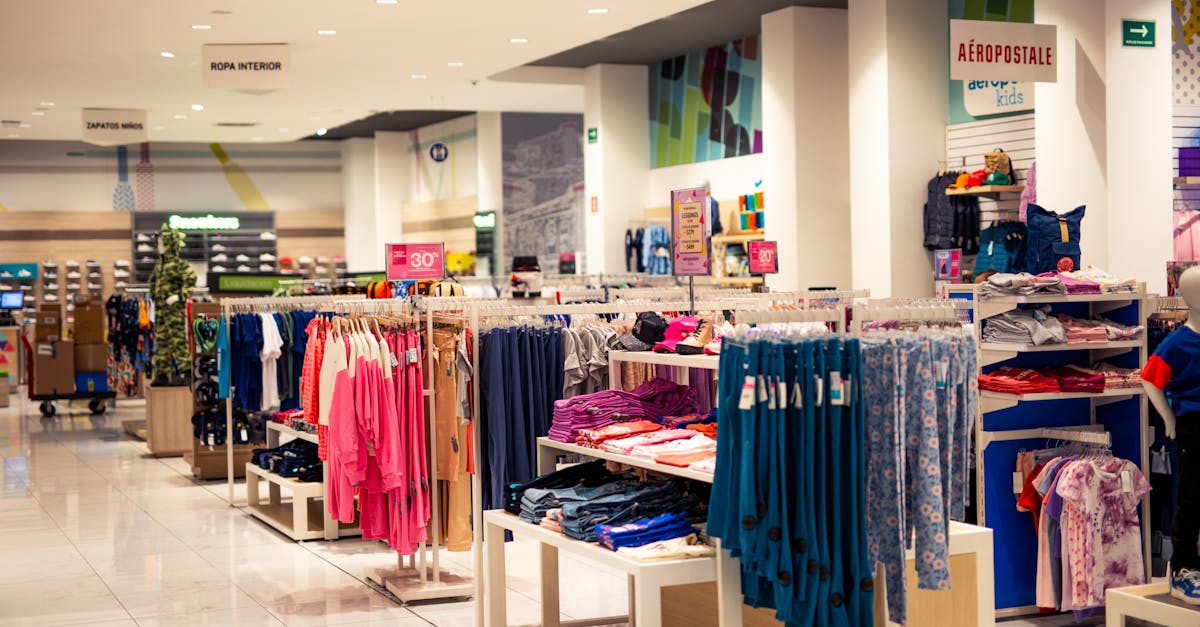
Retailers are feeling the impact of these changes as well. Stores have reported a significant uptick in sales of generic brands, indicating a consumer shift towards value-seeking behaviors amid tighter budgets. This trend is reflective of broader economic realities; as inflation persists, consumers gravitate toward products that offer better pricing, hoping to stretch their dollars further.
Families are not simply resigning themselves to higher prices; many are actively strategizing their purchases. According to a survey conducted by the Federal Reserve, nearly 60% of households have reduced discretionary spending, citing inflation concerns as a primary driver. The ripples of this decision-making can be felt across sectors as diverse as hospitality — where full-service restaurants are experiencing a downturn — to luxury goods industries, which are adjusting forecasts based on this consumer behavior shift.
And while some households manage to navigate these economic currents without hardship, others are confronted with stark realities of reduced disposable income. Data shows that lower-income households are feeling the squeeze more acutely, as their percentage of budget dedicated to discretionary spending diminishes sharply in the face of rising costs for necessities. The more affluent can absorb these changes more easily; however, the effective market that has flourished around luxury goods now faces increased scrutiny as rich consumers reassess their consumption in an inflationary environment.
Meanwhile, the future of consumer spending will be closely intertwined with economic policy decisions made by the Fed. With interest rate hikes aimed at curbing inflation, a balance must be struck between controlling inflation and supporting growth. Should rates rise too swiftly, the fragile recovery in consumer purchasing power could falter, leading to a more profound economic slowdown.
As consumers adapt to this inflationary landscape, the interplay between spending habits and price pressures will likely dictate not just the retail environment, but also broader economic health. The question now is how long consumers can maintain their current levels of expenditure amidst rising costs, and what shifts might occur when the fabric of the economy is changed by policy interventions and market dynamics.