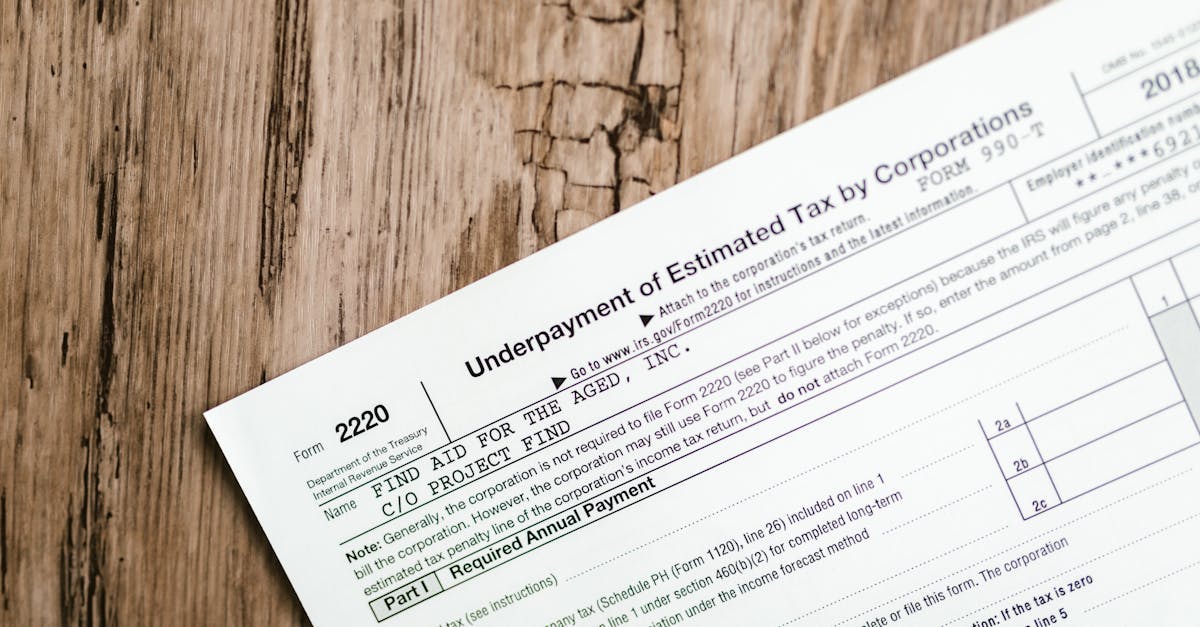
$1.7 trillion: The weight of federal deficit for the fiscal year
$1.7 trillion hung around the neck of the federal government as the deficit for the fiscal year. This staggering figure represents approximately 6.4% of the nation’s Gross Domestic Product (GDP), indicating a significant challenge that policymakers must face in the coming months. Fiscal measures tied to this deficit are not just abstract numbers; they directly impact the everyday lives of millions.
The Context: Balancing Growth and Responsibility
The Congressional Budget Office (CBO) projects that the federal budget deficit will remain substantial in the short term, reflecting a combination of increased spending in areas like healthcare and defense alongside sluggish revenue growth due to economic uncertainty. In a period where inflation has outpaced wage growth—rising to 3.7% in the most recent Consumer Price Index—government spending aimed at stimulating the economy is coinciding with rising prices, complicating the fiscal landscape.
When Spending Outweighs Revenue
In the attempt to stabilize the economy, federal spending in recent years has soared to historic levels, driven by pandemic responses and investment in infrastructure. For instance, total federal outlays reached a high of $6.27 trillion, with non-defense discretionary spending climbing by 16% year-on-year. The implications of this spending spree are tangible: higher interest rates as the Federal Reserve raises them to combat potential inflationary pressure, which, as of this update, sits around 5.25%.
Dollars and Sense: Immediate Ramifications for Households
This burgeoning deficit is more than a line item in a government spreadsheet; it translates into real-world decisions for American families. For instance, the projected rise in interest rates can mean that mortgage payments will inflate, making homeownership less attainable. Current data suggest that a quarter of families struggle to meet housing costs, with monthly payments absorbing a larger slice of their dwindling income.
The Ripple Effect on Local Economies
At the local level, municipalities finding themselves strapped for cash as federal purse strings tighten may cut community services or delay projects. Cities such as Baltimore, which rely heavily on federal funding for essential services, might have to grapple with insufficient resources. With local governments already navigating fiscal challenges, austerity measures could soon threaten public safety, education, and health services.
Navigating Complexity: The Path Forward
Moving forward, Washington’s leaders face the predicament of finding enough political consensus to procure spending cuts or identify new revenue streams without stifling economic recovery. Meanwhile, the Fed’s dual mandate—maximizing employment while maintaining price stability—adds complexity, as these fiscal decisions interplay with monetary policy expectations.
Although inflationary pressures may ease modestly in the coming months, the fiscal landscape remains precarious. Households will continue to feel the strains from fluctuating rates and diminished government aid, even as economic indicators offer a mixed bag of recovery signs.
As we move into the next budgetary phase, watch for debates around fiscal responsibility and the role of taxation to escalate, further influencing the nation’s economic trajectory.