A Family’s European Dream
Picture the Johnson family, dreaming of a month-long vacation in Italy, filled with rich pasta, magnificent sculptures, and breathtaking landscapes. They’ve saved diligently for this adventure, budgeting approximately $8,000, which they expect to transform into euros. However, as they monitor the exchange rate, they realize their plans may not unfold as smoothly as envisioned.
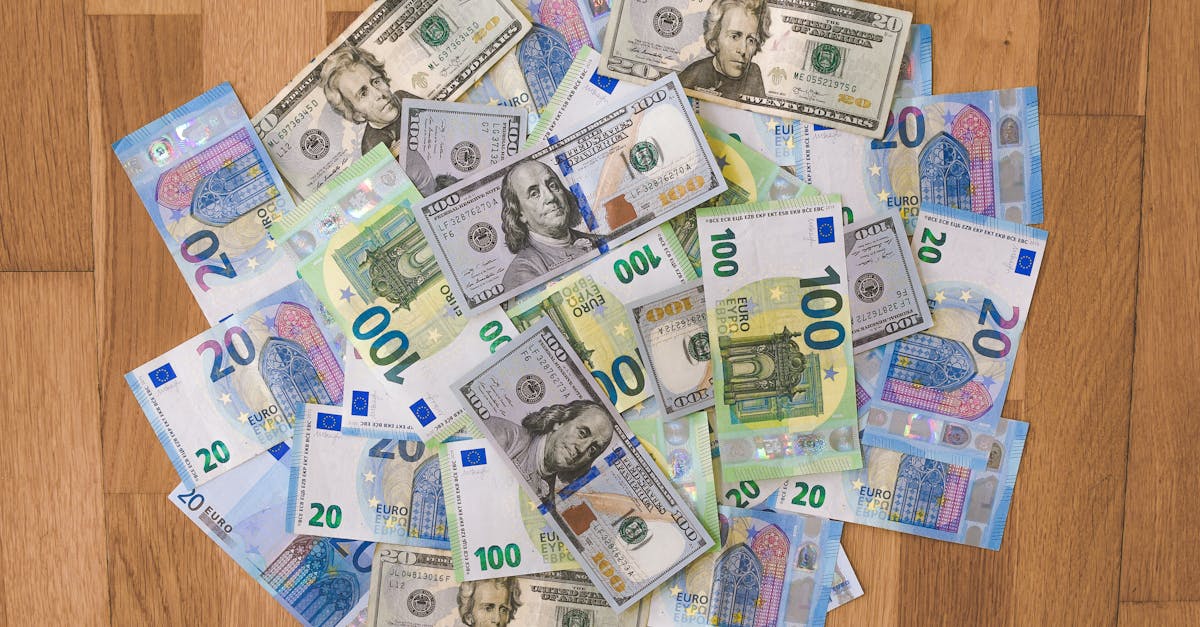
The exchange rate between the U.S. dollar and the euro has been fluctuating wildly. A recent statement from the Federal Reserve highlights that the dollar has strengthened over the past months against a basket of currencies, bolstered by ongoing economic recovery efforts. When the Johnsons began their planning, they noticed the rate at around 1.10 USD per euro. Now, with the dollar hovering closer to 1.05, their funds mean they could only acquire about €7,600 instead. The impact is substantial; their anticipated Italian escapade suddenly feels a bit less lavish.
Inflation’s Hidden Grips
As the Johnsons crunch the numbers, they recognize another uncertainty looming like a cloud: inflation. The Bureau of Labor Statistics reported a 3.3% inflation rate recently, which means that even if the family could exchange their dollars at the best rate, the purchasing power of those euros would be diminished by rising prices in the Eurozone. For instance, what might have cost them €100 a year ago could now cost closer to €103.30, squeezing their intended budget further.
This situation isn’t simply impacting the Johnson family. Local businesses like Bella Italia, a restaurant known for its authentic Italian cuisine back home, are also feeling the winds of change. Importing gourmet ingredients from Italy has become a financial tightrope walk. Higher exchange rates coupled with inflation challenges mean costlier ingredients translate to higher menu prices. Owners report price increases between 5% to 10% across various items in response to fluctuating expenses. After all, supplying fresh burrata from Caserta is no small endeavor when euros are getting stronger against the dollar.
Interest Rates: The Balancing Act
Steering this tumultuous economic climate is the Federal Reserve’s decision to maintain the interest rate at 3.64%. While this rate aims to stave off overheating the economy, it also directly influences consumer behavior. When it comes to borrowing, families like the Johnsons find themselves thinking carefully about financing the vacation through loans. High rates mean that the cost of borrowing is soaring; this hinders their immediate plans, pushing them toward more conservative spending.
If they decide to finance their ticket upgrades or splurge on a unique experience — say, a hot air balloon ride over Tuscany — they’ll find themselves paying significantly more in interest. They might face an additional cost of hundreds of dollars just for the sheer privilege of flexible payment options. What was once a dream trip is now challenged by careful consideration of financing truly luxurious moments.
Full Circle: A Vacation’s Reimagining
Back at the dining table, the Johnsons sit with their calculator, financial apps open, anxiety palpable. The dream of a sun-drenched Italian villa seems not just delightful but elusive, testing their resolve. They can no longer merely plan a budget; they must navigate a patchwork of economic factors beyond their control — currency fluctuations, inflation rates, and interest implications all intertwining to shape their aspirations.
Ultimately, they reconsider, discuss alternative arrangements, and perhaps put off certain lavish experiences. What may have felt like a carefree family adventure now bears the weight of economic realities.
As the Johnsons confront the complexities of exchange rates amidst inflation and interest rates, the broader narrative of the American economy subtly intertwines with their personal story. In doing so, they serve not just as travelers ready to embrace Italy’s allure, but participants in the dance of currencies that ultimately shape every dollar spent, every meal enjoyed, and every dream chased.