Unexpected Stability Amidst Rising Prices
Consumer prices in the United States have shown a surprising level of stability in an age marked by volatility. With inflation holding at 2.4% as of February 2026, a sense of calmness pervades market discourse. Yet, for many, this statistic belies a more complex reality—one where the average household feels the pinch of rising costs.
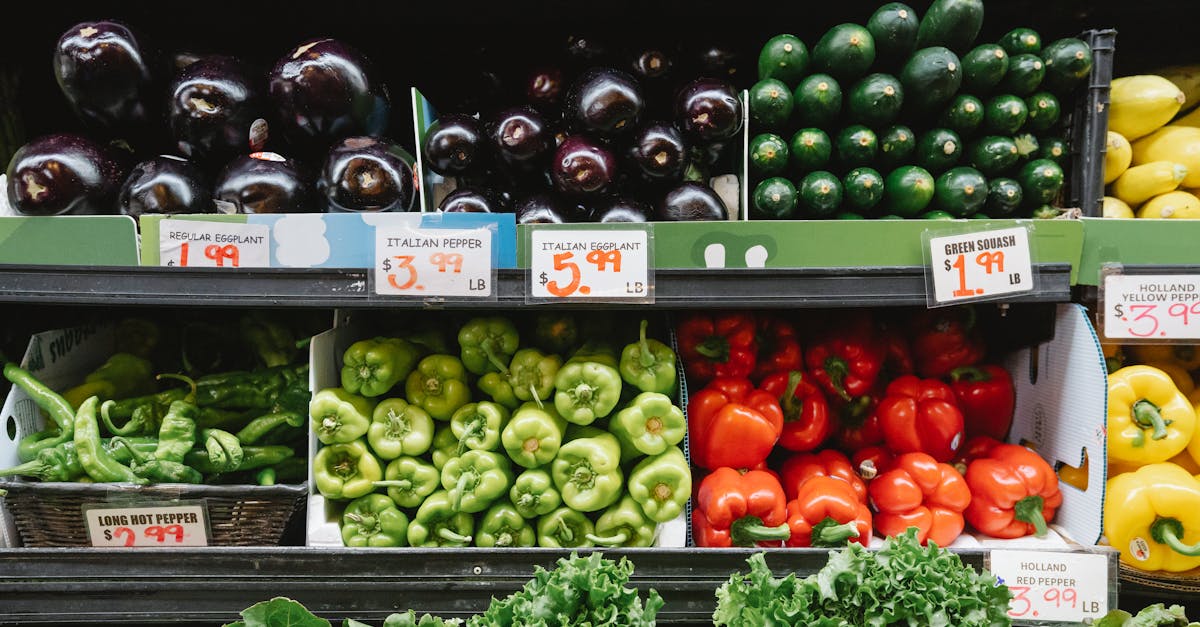
While a 2.4% inflation rate may sound manageable from a macroeconomic perspective, it does not tell the whole story. Specifically, prices for essential goods and services—such as food and energy—have escalated dramatically, soaring well above the headline inflation figure, leaving a trail of dissatisfaction among consumers. This discrepancy raises the question: for whom is this stability truly effective?
Sectors in Flux: Winners and Losers
Energy prices serve as a prime example of this disconnect. The Bureau of Labor Statistics notes that while overall inflation rests at 2.4%, energy costs have increased by nearly 15% year-on-year. Households, especially lower-income ones, are experiencing the highest burdens due to these spikes, disproportionately affecting their ability to make ends meet.
In stark contrast, sectors like technology demonstrate more favorable conditions, buoyed by continued advancements and consumer demand. The technology index recorded a negligible inflation rate, contributing significantly to GDP growth. This dichotomy is stark: the tech-savvy and wealthier benefit from innovation and low inflation in select markets, while those in less lucrative sectors grapple with stagnating wages and surging living costs.
The Invisible Strain: Debt and Consumer Confidence
What often escapes media attention is the underlying strain of consumer debt. Federal Reserve data indicates that household debt levels have surged, reaching an all-time high of over $17 trillion. For many consumers, the gap between their incomes and escalating debts is widening, feeding into a cycle of anxiety despite low headline inflation.
By segmenting the data further, troubling narratives emerge. The Conference Board’s consumer confidence index has plummeted in recent months, driven by fears of economic instability and job loss. Here we stumble upon a hidden dynamic: while official figures celebrate inflation’s tame nature, households are grappling with a sense of economic disillusionment, realizing that rising consumer price stability does not translate to personal financial well-being.
From Coast to Coast: A Patchwork Economy
The United States presents a patchwork of economic experiences when it comes to consumer prices. Coastal urban areas experience sharply rising costs, primarily driven by housing shortages and logistical complications. In contrast, rural regions see a much less intense inflationary pressure, often attributing their relative stability to lower demand and operational costs.
Sifting through Bureau of Economic Analysis data reveals that regions like California have seen consumer price index increases eclipsing the national average, making it a daunting landscape for residents. Meanwhile, Midwestern states enjoy more stability, often reporting figures below the national rate—yet even here, the long-term effects of sluggish wage growth create pressures that threaten to overshadow those lower inflation rates.
The Fork in the Road: Choices Ahead
The current standoff between headline inflation metrics and the actual consumer experience might prompt policymakers to reassess strategies. Will they continue to pat themselves on the back for a seemingly controlled inflation rate, or will they turn their gaze toward the real economic pressures faced by Americans? With potential rate hikes by the Fed on the horizon, the tension between fostering growth and managing inflation is palpable.
Economic narratives are growing complex; the question arises—what is the path forward? As inflation impacts vary across sectors, regions, and households, entrenched divisions in society intensify. This begs further inquiry: how will policymakers respond to a nation seized by financial unease in the face of reassuring numbers? The coming months may reshape both our understanding and engagement with these tangled inflationary realities.