Balancing the Scales: A Family’s Journey through the Trade Landscape
At the break of dawn, Sarah Thompson finds herself in a familiar rhythm. The smell of freshly brewed coffee fills their small kitchen in Fort Collins, Colorado, while the soft chatter of her two children signals the start of another busy day. As she flips through the local newspaper, a headline about the United States’ recent trade balance captures her attention. This isn’t just a statistic; it resonates with the Thompson family’s own journey, particularly as her husband, Mike, works at a factory that manufactures beautiful, handcrafted outdoor furniture for both local and international markets.
A Tale of Two Industries
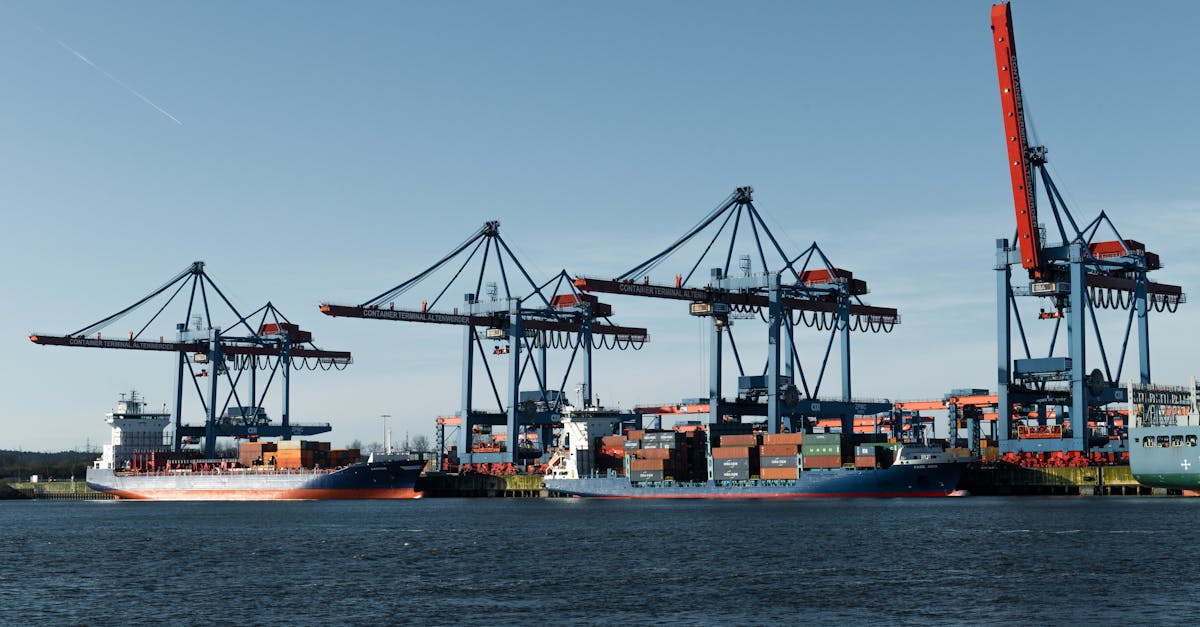
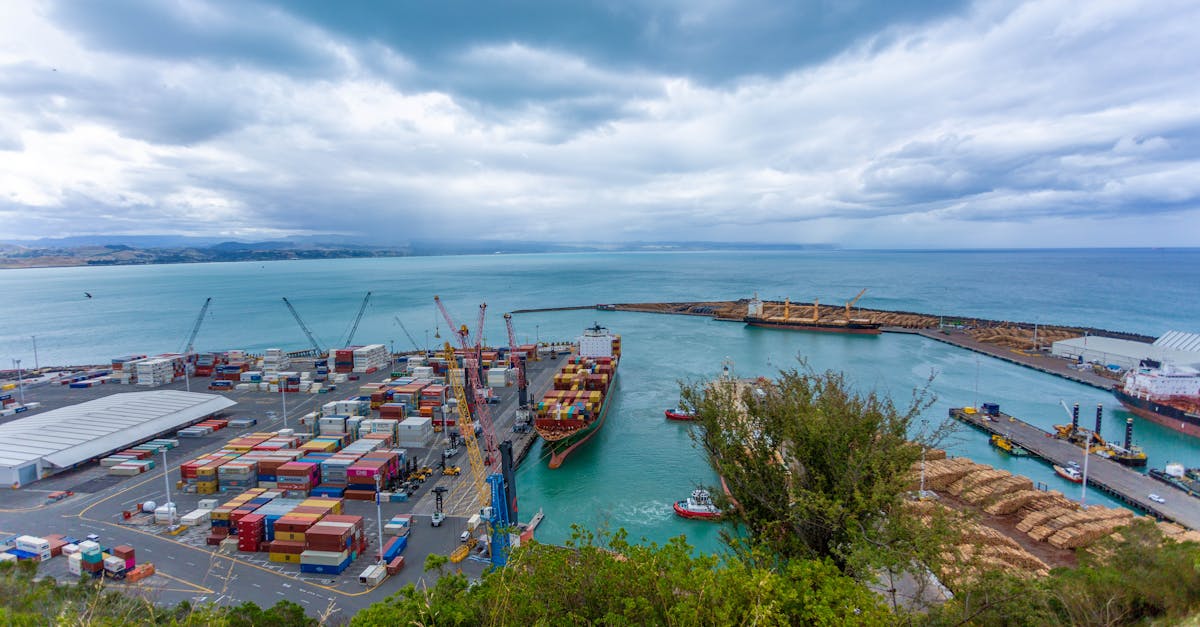
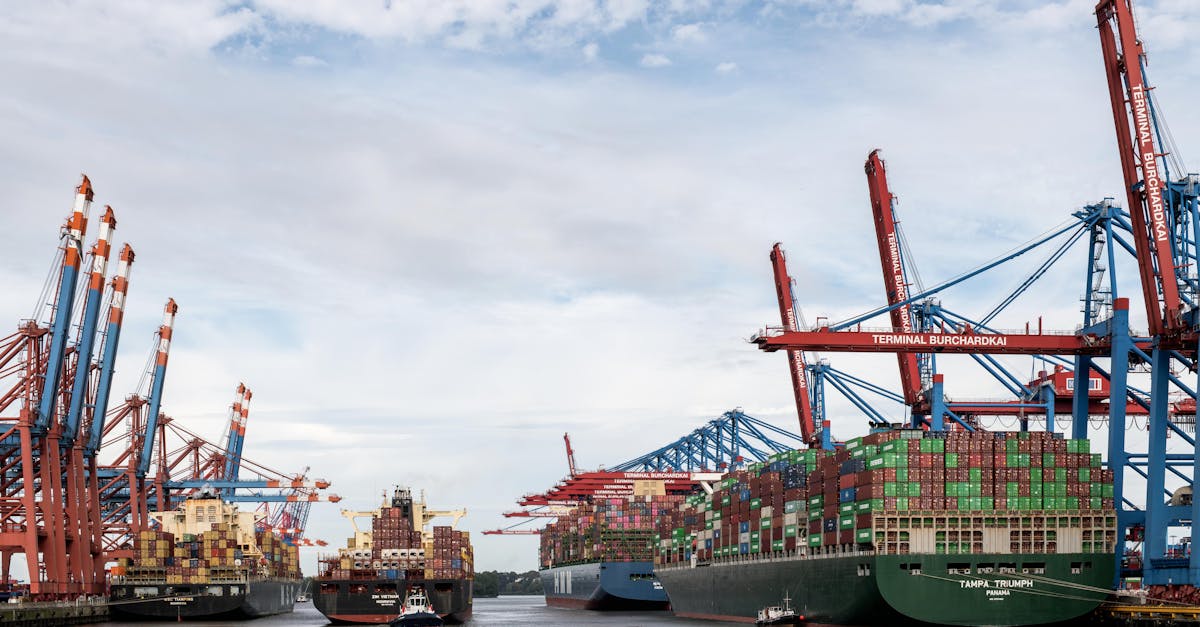
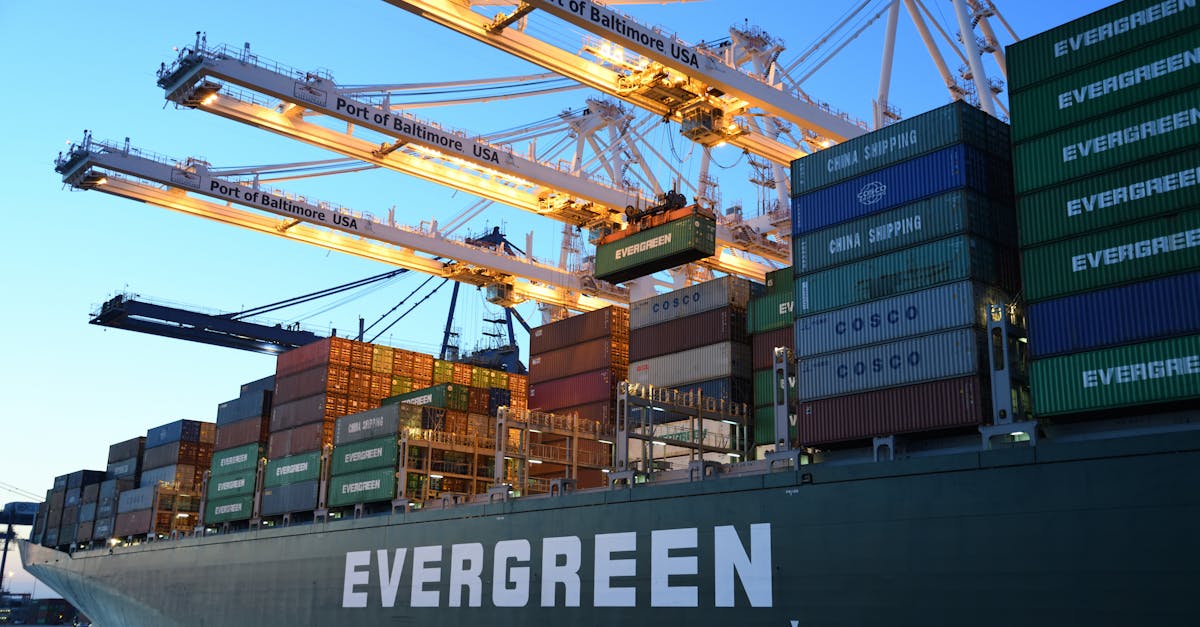
The trade balance, detailing the difference between the dollar value of exports and imports, tells a compelling story of economic health. As of August, the U.S. goods and services trade deficit stood at approximately $66.5 billion, according to the Bureau of Economic Analysis. This figure—akin to every American household carrying an average of $200 in credit card debt—is not merely abstract. For Mike’s factory, it means navigating an increasingly competitive landscape where affordable imports flood the market, placing pressure on domestic pricing strategies.
If the trade deficit persists, factories like Mike’s face serious jeopardy. This imbalance in trade has led to challenges that reverberate through small towns across America. As foreign goods pour in, the pressure mounts to keep costs low while maintaining quality standards. Sarah recalls how excited they were when Mike’s team landed a sizable export deal with a boutique chain in Canada last year. Each shipment of their sturdy wooden tables represented not only income but also pride in American craftsmanship.
The Ripple Effects of Tariffs and Policies
Without a doubt, U.S. trade policies shape the environment in which families like the Thompsons operate. Last year’s tariffs on certain imports significantly affected many businesses, including theirs. While they provided some level of protection against cheaper goods, they also raised the cost of raw materials. Imagine a world where every time a lumber truck pulls into Mike’s factory, it’s carrying the weight of tariffs that add stress to their operational budget.
As import prices fluctuate, families like Sarah’s must adjust their own budgets. Sarah works part-time at a local arts and crafts store, where she witnesses firsthand how changes in trade impacts consumer choices. Customers may start opting for more affordable, mass-produced furniture instead of Mike’s artisanal offerings, which affects not only her family’s finances but also the local economy’s vibrancy.
Exports: The Silver Lining
Yet, for every challenge posed by a waning trade balance, there exists a bright side. The U.S. goods exports in August reached $129 billion, showing a glimmer of resilience. For Mike’s factory, every export represents hope—a chance to expand their market beyond local borders. This is more than mere business; it’s about creating a sustainable livelihood for their family and their dedicated employees who also rely on the factory’s success.
Last month, when Mike received a call about a potential partnership with a distributor in Europe, the excitement was palpable. Dreams of growth dance in their minds: possibly opening up new plants, or perhaps investing more in eco-friendly materials. While the trade deficit is indeed a looming concern, the potential for export growth provides a counterbalance, reminding them that every challenge can be met with opportunity.
Circle Back to the Thompson Family
As evening descends on the Thompson household, the family convenes around the dinner table, where Sarah serves a home-cooked meal. Their economic challenges, woven intricately with the bigger tapestry of national trade policies, make their family discussions rich and meaningful. Each buzz in the market—exports growing one month, imports weighing heavy the next—reminds them that their story is just one of many in a complex global narrative.
Those daily headlines on trade balance take on new meaning when viewed through the lens of families striving for better tomorrows. As Sarah and Mike engage their children in conversations about the value of supporting local business and the significance of trade, they instill a sense of responsibility that transcends their small town, echoing throughout the broader economy. Still, undergirding their lives is a simple truth: every statistic tells a story—one that directly shapes the future of American families today.