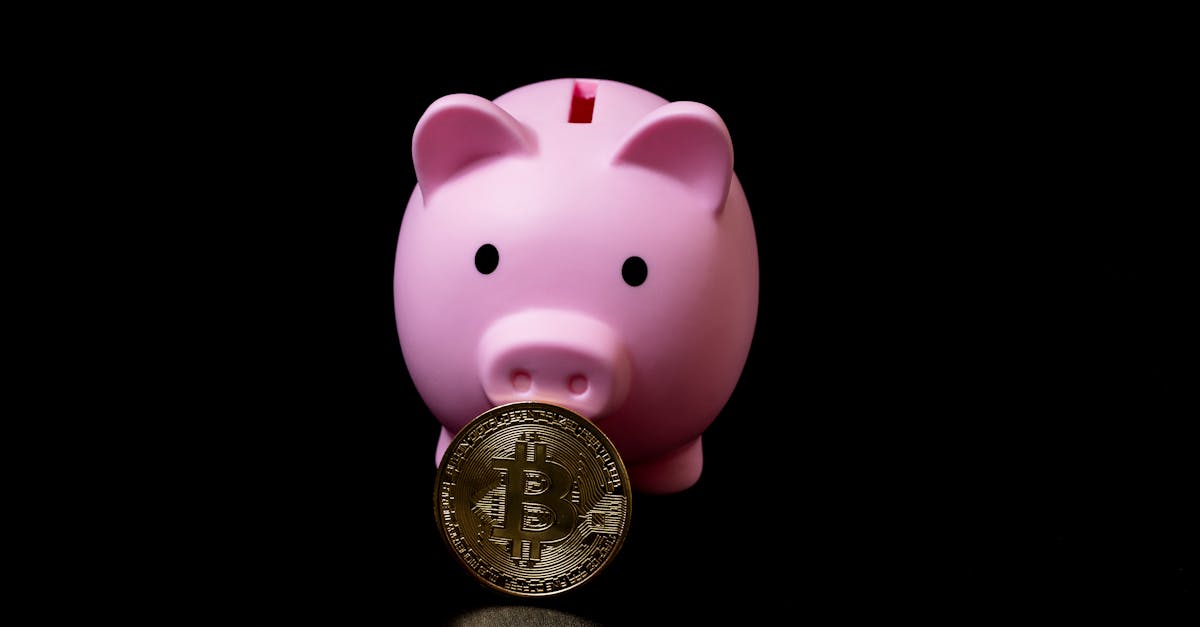
The Savings Squeeze
Household savings in the United States shrunk by a staggering 6.4% in the first quarter, reflecting the toughest hit in almost two years. This plummet, evidenced by data from the Bureau of Economic Analysis, paints a stark picture of economic strain felt by average Americans amid rising living costs.
Inflation’s Heavy Hand
The relentless rise in inflation, currently at 3.3%, has further exacerbated this decline. For many households, basic necessities like food and gas have become increasingly burdensome. This situation starkly contrasts with savings growth in other developed nations. For instance, households in Germany saw a slight uptick in savings rates, underscoring the varying economic pressures faced by families across the globe. The U.S. savings rate, which once hovered between 7-8% in pre-pandemic years, has now dropped significantly; the average savings rate stood at just 4.5% last quarter.
Employment Landscape
Amid these financial shifts, the job market remains somewhat resilient, with the unemployment rate resting at 4.3%. However, this figure masks deeper issues — many jobs available are low-wage positions that don’t offer the economic buffer that higher-paying roles do. Workers increasingly find themselves caught in a bind, wherein minimal wages fail to keep pace with skyrocketing costs of living.
Interest Rates and Consumer Behavior
Compounding the pressure, the Federal Reserve’s decision to maintain interest rates at 3.64% complicates borrowing costs for households. With inflation eroding purchasing power while loan costs rise due to higher interest rates, disposable income shrinks further. This reality has forced families to dip into their savings or incur debt to manage daily expenses. The spiral effect could lead to a deeper economic crisis if trends persist — consumer spending, which drives about 70% of the economy, may soon wane.
Future Outlook: A New Economic Reality?
As we peer into the future, a critical question emerges: How much longer can household savings withstand this battering? Rising interest rates and inflation suggest a new economic reality is at hand, one where American families must adapt to tighter financial constraints. The role of policymakers will be crucial; targeted interventions may provide relief, but without immediate action, household savings may remain under siege, reshaping the American economic landscape for years to come.