Unprecedented Savings Rate Amid Inflationary Challenges
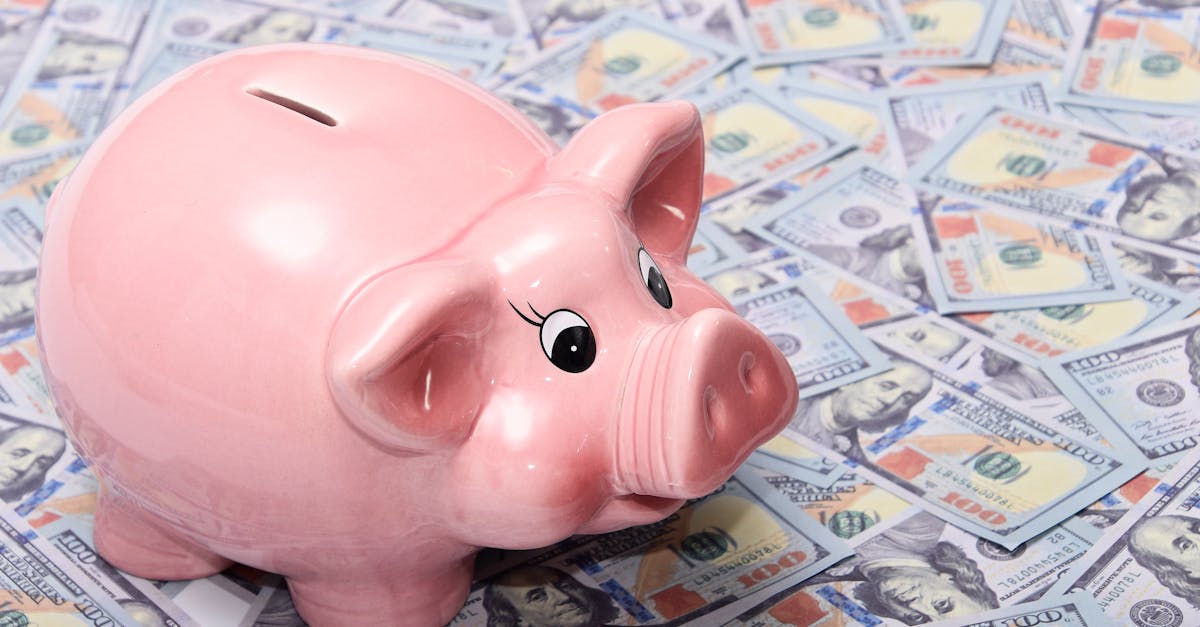
American households are sitting on a record-high average savings of $40,000, a substantial buffer that contrasts sharply with rising inflation, currently holding at 3.8%. This figure not only reflects a behavioral shift influenced by pandemic-era stimulus measures but also highlights a significant resilience in financial planning amid ongoing economic uncertainty.
The Power of Comparison
While the U.S. might boast a high savings rate, this figure pales in comparison to peer economies. For instance, the savings rate in Switzerland hovers around 23%, showcasing how different behavioral finance cultures manage disposable income and set aside for rainy days. In contrast, American households have managed to cushion themselves significantly against the erosive effects of inflation, which remains a concern as purchasing power fluctuates.
contextual Dynamics: Inflation, Employment, and Interest Rates
U.S. economic indicators paint a complex picture: inflation at 3.8%, unemployment at 4.3%, and interest rates at 3.64%. These intertwined factors are influencing American behavior in surprising ways. Consumers, wary of increasing prices and economic instability, have chosen to prioritize savings over discretionary spending. This strategy is indicative of a guard-up mentality fostered by fear of economic downturns, as well as uncertainties stemming from adjusting interest rates.
The Pandemic’s Long Shadow
Pandemic policies have undeniably altered how American households manage their finances. Prior to 2020, the national savings rate was typically below 8%. The onset of COVID-19 prompted a significant uptick in savings, thanks to government intervention and a halt in typical expenses such as dining out and travel. The trend appears to be solidifying, as households adapt to a landscape where emergency funds and savings become paramount amid unpredictable economic shifts.
Regional Disparities
Intriguingly, savings behaviors are not uniform across the nation. Wealthier households tend to carry a disproportionately higher amount of savings than their less affluent counterparts. According to data from the Federal Reserve, the top 10% of earners have savings that average around $160,000, compared to just $5,000 for the bottom 20%. This disparity underscores the need for discussion around socioeconomic factors that affect saving behaviors, especially as inflation bites harder into the lower-income brackets.
The Unknowns Ahead
As households navigate a scenario characterized by fluctuating inflation and steadily increasing interest rates, the balance between savings and spending becomes a pivotal focus. The current economic environment presents a unique major turn for financial behavior, as Americans grapple with financial planning amidst uncertainty. With significant savings on hand, one question lingers: Will this newfound financial security lead to economic confidence, or will households remain reticent, further tightening their financial belts?
Drawing sum insights from historical trends and current dynamics, the road ahead is paved with opportunities for educated fiscal decisions. The next chapter in household savings may redefine how Americans approach not just this moment, but economic landscapes for years to come.