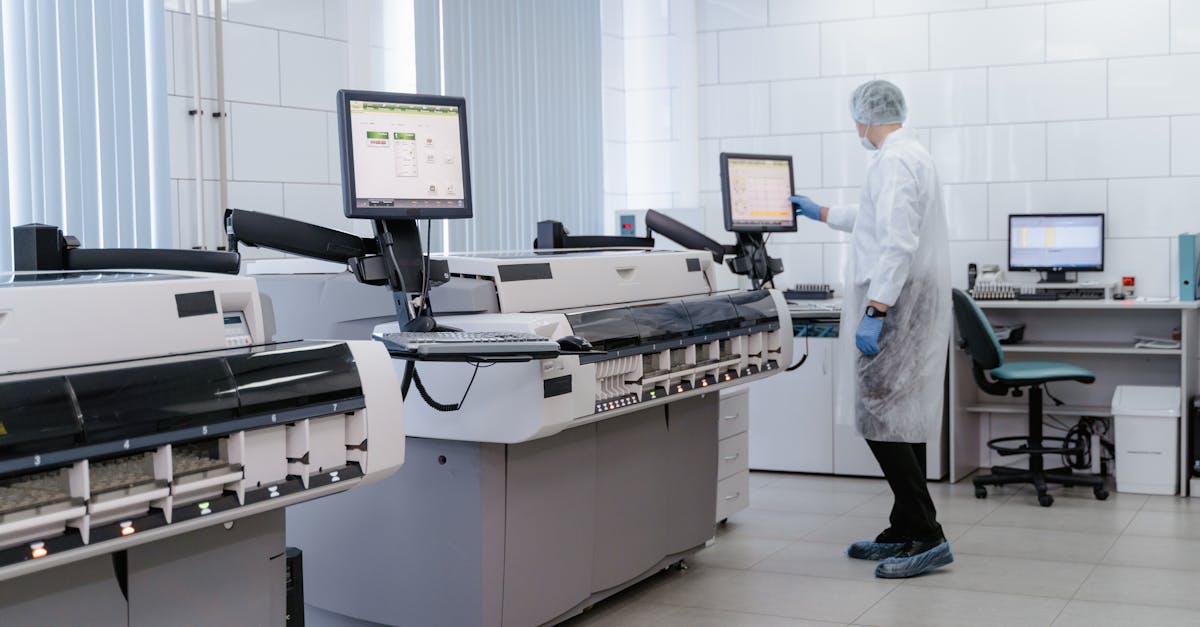
Record Investments Propel U.S. R&D Forward
American businesses are pouring unprecedented resources into research and development, with total private sector R&D expenditures reaching a high of $446 billion last year, according to data from the National Science Foundation. This figure shows a remarkable increase of 8% from the previous year, contrasting sharply with the lackluster global growth rate of just 3.5%. As the world grapples with economic uncertainties, the U.S. appears to be doubling down on innovation.
A Competitive Edge in the Global Arena
This surge in R&D spending has strengthened the U.S.’s position on the global stage. When compared to the European Union, which allocated approximately $207 billion for R&D in the same period, it’s clear that U.S. companies are maintaining their dominance in technological innovation. Not just in terms of sheer spending, but in the outcomes generated by such investments; the U.S. remains the top patent producer globally, securing over 60,000 patents last year alone.
Economic Underpinnings Amidst High Interest Rates
Despite interest rates hovering at 3.64%, encouraging cautious investment strategies, many firms are pressing ahead with R&D initiatives. The sector’s resilience is underlined by the latest unemployment rate of 4.4%. In challenging times, companies typically curtail R&D spending; however, many are viewing innovation as the foundational driver for economic recovery and competitive resilience.
The Role of Inflation in Decision Making
While inflation stands at 2.4%, companies are not only facing rising costs but are also navigating the complexities of pricing new products. Interestingly, firms see innovation as a key strategy to mitigate the effects of inflation on profit margins. The Deloitte Insights report shows that companies that prioritize R&D tend to show greater price resilience, thereby cushioned somewhat against inflationary pressures.
Startups at the Forefront
Startups are crucial players in this innovative landscape, attracting nearly $136 billion in venture capital last year alone. They account for about 40% of all new job creation in the U.S. market, highlighting a strong correlation between entrepreneurship, innovation, and labor market performance. Established firms are increasingly partnering with these agile startups, recognizing that collaborative efforts can lead to accelerated innovation cycles.
The Demand for Skilled Labor in STEM Fields
The influx of R&D investments has a direct positive impact on job creation, particularly in STEM (Science, Technology, Engineering, and Mathematics) fields. As companies ramp up innovation efforts, they’re also seeking to fill approximately 1.8 million STEM jobs projected by the Bureau of Labor Statistics in the coming years. This demand is driving educational programs and policy initiatives aimed at producing a skilled workforce equipped to meet these challenges.
Innovative Solutions for Future Challenges
As Americans face uncertainties in areas such as health care, climate change, and economic stability, the focus on R&D is likely to lead to revolutionary solutions that improve everyday lives. With a growing emphasis on sustainability and technology, the investments made today will shape tomorrow’s economy and quality of life.
As the world watches, the U.S. continues to embrace innovation not just as a pathway for economic growth, but as a critical component in addressing some of society’s most pressing challenges. With the trajectory of R&D spending trending upward, the potential for breakthroughs seems limitless.