Households Amass Unexpected Reserves
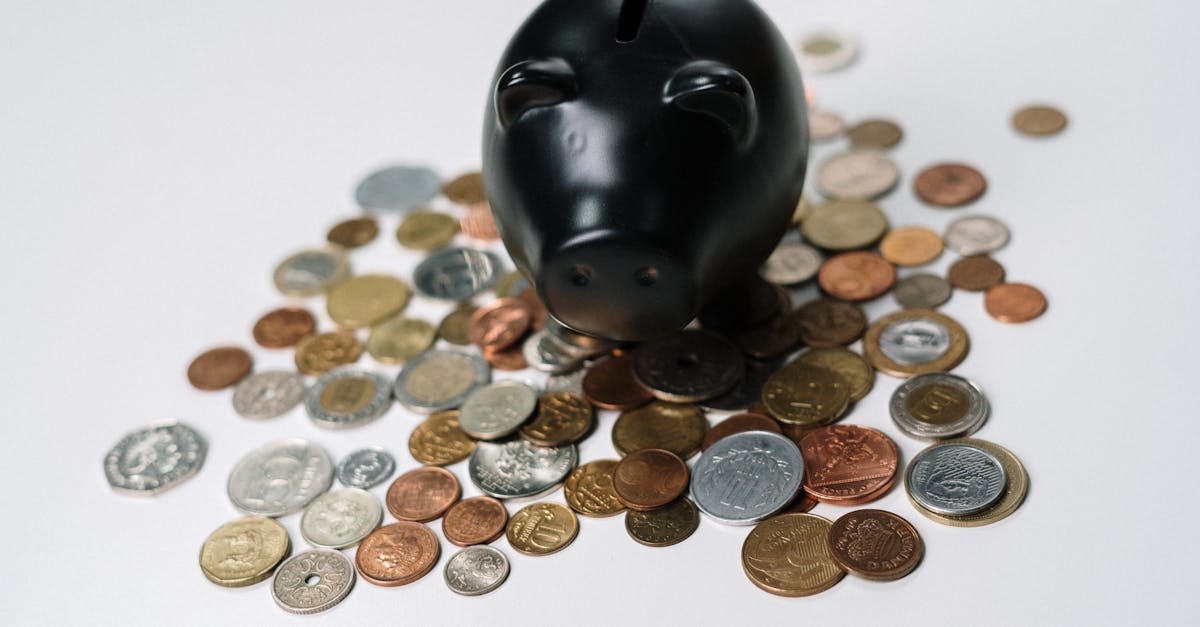
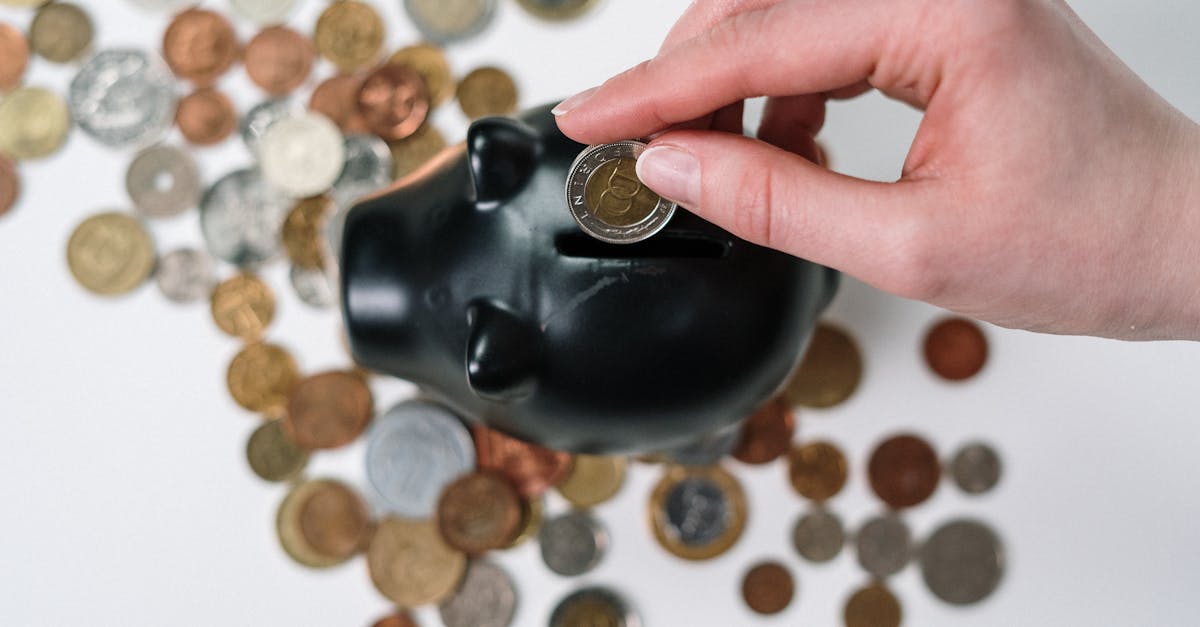
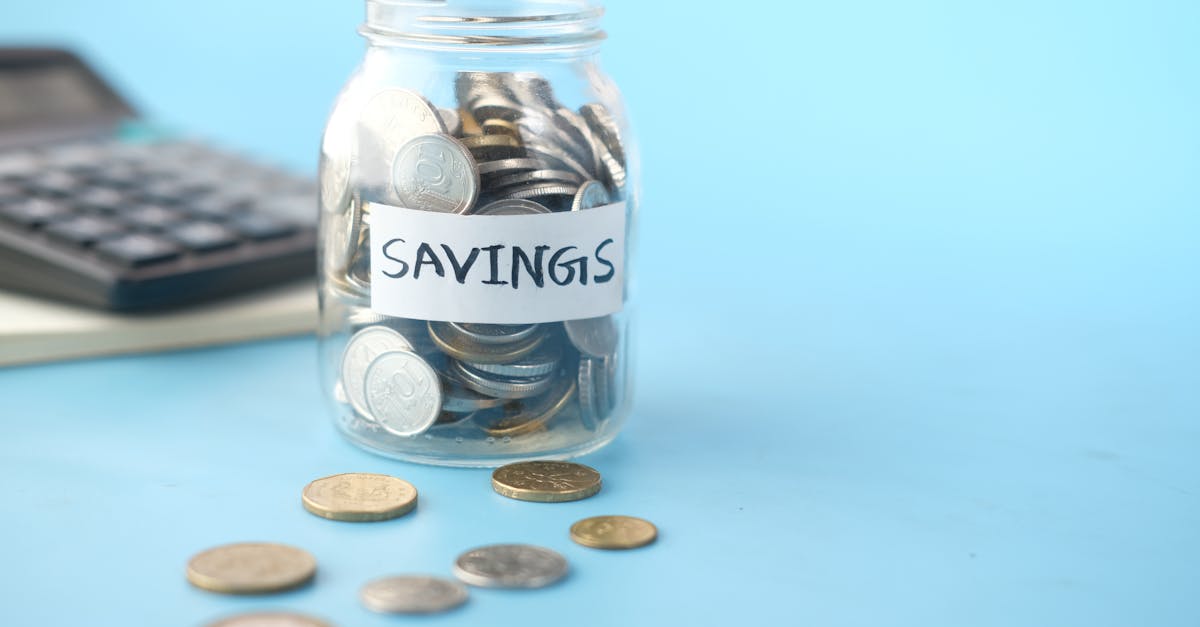
U.S. households have surprisingly bolstered their savings, reaching an impressive rate of 10.5% by the end of the first quarter. This figure outshines the global average savings rate of approximately 7%, showcasing Americans’ proactive approach amidst economic headwinds.
Inflation’s Heavy Toll
However, these elevated savings come amid a challenging backdrop: inflation has accelerated to 4.2%, according to the Bureau of Labor Statistics. As consumer prices climb, the purchasing power of these savings dwindles. A year ago, inflation stood at a lower rate of 2.1%, indicating a significant erosion of value for consumers who are recognizing that their hard-earned money does not stretch as far as it once did.
A Balancing Act with Interest Rates
Rising interest rates complicate the picture further. The Federal Reserve has increased rates to 3.63%, contributing to higher borrowing costs while simultaneously elevating the appeal of saving. In theory, this should encourage more deposits into savings accounts; however, the real interest rate—adjusted for inflation—paints a different portrait. With inflation outpacing interest returns, savers are left grappling with the question: is it worth holding onto cash?
Unemployment: A Steady State
The unemployment rate, currently at 4.3%, remains relatively stable, fostering consumer confidence. Despite ongoing inflation and higher interest, a healthy job market continues to influence savings behavior positively. Individuals holding onto their jobs tend to exhibit greater financial resilience, allowing for discretionary savings despite the ongoing economic challenges.
Changing Dynamics in Spending
The current economic environment has fundamentally altered American spending habits. With prices rising and interest rates constricting purchasing power, many consumers are opting for a more cautious financial strategy. A noticeable shift toward prioritizing savings over spending has emerged, evidenced by a dramatic decline in consumer spending growth to just 1.8%, down from 3.5% last year. Retail sales are stalling, hinting at a potential slowdown in economic momentum if this trend continues.
Future Possibilities
As the landscape shifts, the interplay between savings, inflation, and interest rates will remain central to household economics. Households might need to adapt their strategies, possibly considering a reallocation of their savings into inflation-hedged assets or seeking short-term investment avenues. As inflation persists and the Fed maintains its stance, curiosity lingers regarding how long the savings cushion can sustain. Will households continue to prioritize saving, or will spending habits rebound in the face of increased financial pressures? The unfolding narrative is one that will demand close examination in the months ahead.