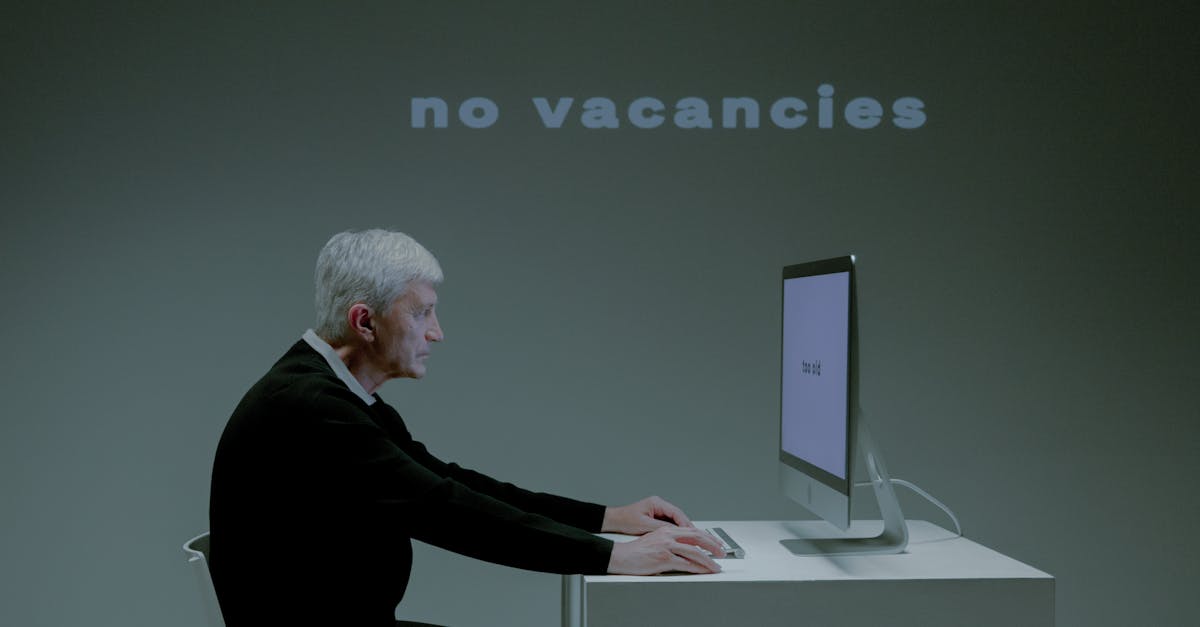
Labor Market Snapshot: 4.3% Unemployment
American workers are currently facing an unemployment rate of 4.3%. This figure doesn’t just mark a transient number — it signals significant shifts in the job market landscape when juxtaposed against historical data and international benchmarks.
Year Over Year: A Vivid Contrast
In March last year, the unemployment rate hovered at 3.6%, raising questions about the factors contributing to the upward movement. A year-on-year comparison underscores a stark increase, demonstrating how the U.S. labor market is grappling with dynamic challenges that were absent in the previous year’s more buoyant economic conditions. This uptick invites scrutiny into current labor policies and prevailing economic pressures affecting job availability.
Global Employment Landscape
On a global scale, the United States’ job situation echoes concerns that extend far beyond its borders. As of late 2023, unemployment rates in several advanced economies are lower: Germany reports a rate of 3.0%, while Japan stands at a mere 2.5%. This juxtaposition casts the U.S. position in a somewhat less favorable light, igniting discussions about structural issues within the American economy, including skills mismatches and regional disparities.
Contextual Factors Impacting Job Availability
The transitory nature of the post-pandemic recovery, underpinned by inflationary pressures, has shifted employers’ perspectives. Businesses, navigating higher costs and ongoing supply chain disruptions, have become more cautious about hiring. Moreover, the participation rate, which is crucial for understanding labor supply dynamics, remains subdued — falling to 62.4% this past March, down from 63.3% a year prior. This indicator highlights the ongoing challenge of workforce re-engagement, particularly among those who exited the labor force during the pandemic but have yet to return.
Sectoral Disparities: A Closer Look
Diving deeper into sector-specific outcomes reveals a mixed bag. Professions within leisure and hospitality are particularly lagging, suffering from a slower recovery than anticipated due to lingering uncertainties linked to COVID-19. Conversely, sectors like technology and healthcare continue to thrive, reflecting the necessity for adaptability among job seekers. Industry shifts demand that workers pivot towards skills that cater to evolving market needs, oftentimes involving additional training or education.
The Fed’s Balancing Act
The Federal Reserve’s monetary policy plays a crucial role in this employment equation. As inflationary measures tighten, the central bank’s recent policies have indicated a willingness to apply brakes on growth to stave off price increases. This creates a delicate balancing act: managing inflation while nurturing job growth in a recovering economy. The implication of these policies likely means that the 4.3% figure could see further fluctuations as the Fed steers the nation through turbulent economic waters.
What Lies Ahead?
As businesses adapt to the new realities of a post-pandemic economy, the trajectory of the unemployment rate will be heavily influenced by external economic elements as well as domestic policies aimed at workforce development. The patterns emerging from this current employment climate suggest that American workers may be navigating a future marked by greater uncertainty, yet also ripe with opportunities for innovation and change in career pathways. Whether these opportunities are fully realized or stifled remains a fundamental question for policymakers, educators, and the labor force alike.